Proximity sensors, non-contact devices capable of detecting the presence or absence of an object within a defined sensing range, have become indispensable components in modern industrial automation and beyond. Their ability to operate reliably in harsh environments, provide high-speed detection, and offer long operational life makes them a cornerstone of efficiency, safety, and innovation. The application scope of these sensors is vast and continuously expanding, driven by advancements in technology and evolving industry needs. This article explores the extensive range of applications for proximity sensors across various sectors.
In the realm of Industrial Automation and Manufacturing, proximity sensors are the workhorses of production lines. They are fundamental for object detection and counting on conveyor belts, ensuring parts are present for assembly or packaging. In position sensing, they verify the precise location of machine components like robotic arms, cylinders, or slides, enabling accurate and repeatable operations. End-of-travel detection for moving parts prevents mechanical damage, while speed monitoring of rotating shafts or gears is crucial for process control. Inductive sensors, detecting metallic objects, are ubiquitous in metalworking, CNC machining, and automotive assembly for tasks like checking if a drill bit is in place or a metal part is correctly positioned. Capacitive sensors, which can detect both metallic and non-metallic materials (liquids, plastics, wood), find use in level detection within tanks or silos, and in packaging lines to sense the presence of bottles, cartons, or labels.
The Automotive Industry relies heavily on proximity sensors for both manufacturing and within the vehicles themselves. On the assembly line, they ensure precision in welding robots, verify door and panel alignments, and control fluid filling systems. Within the vehicle, they are integral to safety and convenience systems. Ultrasonic and electromagnetic sensors form the basis of Parking Assistance Systems, alerting drivers to obstacles. They are also used in seat occupancy detection for airbag control systems, gear position sensing in automatic transmissions, and detecting the position of windows and sunroofs.
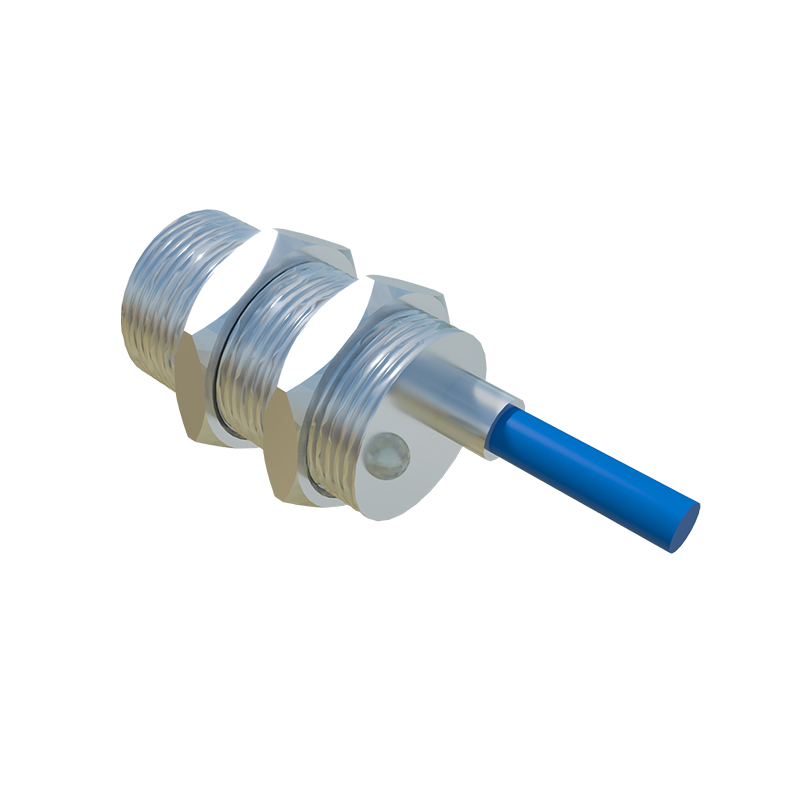
Consumer Electronics and Appliances incorporate proximity sensors to enhance user experience and save energy. In smartphones and tablets, an infrared or capacitive proximity sensor disables the touchscreen and turns off the display when the device is held near the ear during a call, preventing accidental inputs. Similarly, in modern faucets, soap dispensers, and hand dryers, infrared sensors enable touch-free operation, promoting hygiene. Some home appliances use them for intuitive control interfaces or to detect the presence of dishes in a dishwasher rack.
Aerospace and Aviation applications demand extreme reliability. Proximity sensors are used for landing gear status monitoring (up/down and locked), door and hatch position sensing, and monitoring the position of control surfaces like flaps and slats. They also play a role in engine monitoring systems, detecting the speed and position of rotating components.
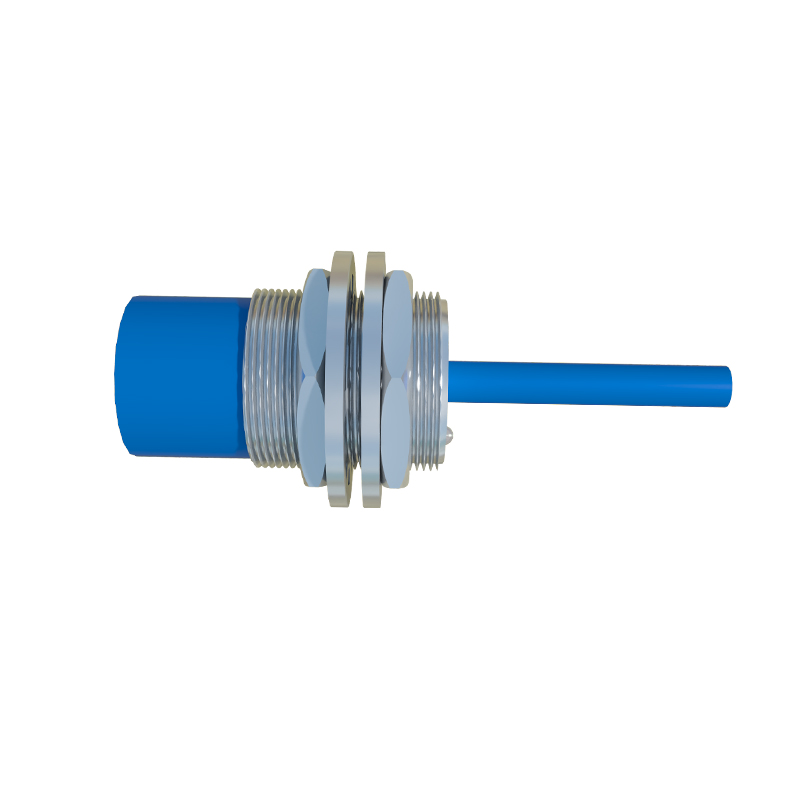
In Food and Beverage and Pharmaceutical industries, where hygiene and contamination control are paramount, sensors with specific housing materials (often stainless steel) and high ingress protection (IP) ratings are used. Capacitive and ultrasonic sensors monitor liquid levels in mixing vats or bottles on filling lines. They detect the presence of containers, caps, and labels, ensuring proper packaging. Their sealed designs withstand frequent washdowns with high-pressure, corrosive cleaning agents.
Security and Access Control systems utilize proximity sensors for intrusion detection. Magnetic reed switches (a type of proximity sensor) are common on doors and windows to detect opening. More sophisticated systems use passive infrared (PIR) sensors to detect human movement by sensing body heat. Inductive loops embedded in roadways act as proximity sensors to detect vehicles for traffic light control or gate access.
Robotics and Material Handling is another critical domain. Proximity sensors provide robots with a sense of their immediate environment. They are used for obstacle detection and avoidance in autonomous mobile robots (AMRs), gripper positioning to ensure an object is correctly grasped, and pallet detection in automated storage and retrieval systems (AS/RS). This allows for flexible, safe, and efficient automation in warehouses and distribution centers.
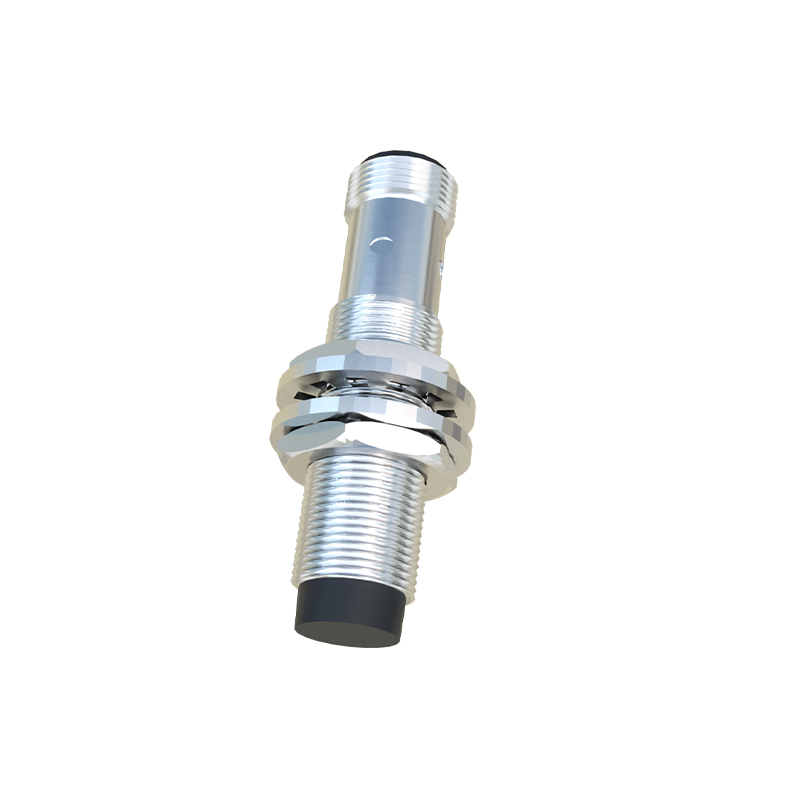
Emerging applications continue to push boundaries. In renewable energy, sensors monitor the position of solar panels for optimal sun tracking or detect ice formation on wind turbine blades. In agriculture, they can be part of automated guidance systems for tractors or equipment monitoring.
In conclusion, the application range of proximity sensors is remarkably diverse, spanning from heavy industrial floors to the smartphones in our pockets. Their evolution from simple detection devices to intelligent system components continues to drive automation, enhance safety, improve product quality, and enable new technological innovations across virtually every sector of the global economy. The selection of the appropriate sensor type—inductive, capacitive, ultrasonic, magnetic