Capacitive proximity level sensors are fundamental instruments in modern industrial automation and process control. Operating on the principle of capacitance change, these sensors detect the presence or absence of materials—liquids, solids, granules, or powders—without physical contact. At their core, they function as a capacitor: the sensor's active face and the grounded housing act as two electrodes. When a target material enters the sensing field, it alters the dielectric constant of the space between these electrodes, causing a measurable change in capacitance. This change is processed by the internal oscillator and evaluation circuitry, triggering a switching output signal.
The operational principle hinges on the dielectric properties of the target material. Materials with high dielectric constants, such as water or metals, cause a significant capacitance shift and are easily detected. Conversely, materials with low dielectric constants, like certain plastics or dry powders, present a detection challenge. Modern sensors address this through sensitivity adjustment potentiometers, allowing calibration for specific materials and environmental conditions. This adjustability is crucial for handling factors like material buildup on the sensor face or variations in tank wall thickness, which can otherwise cause false readings.
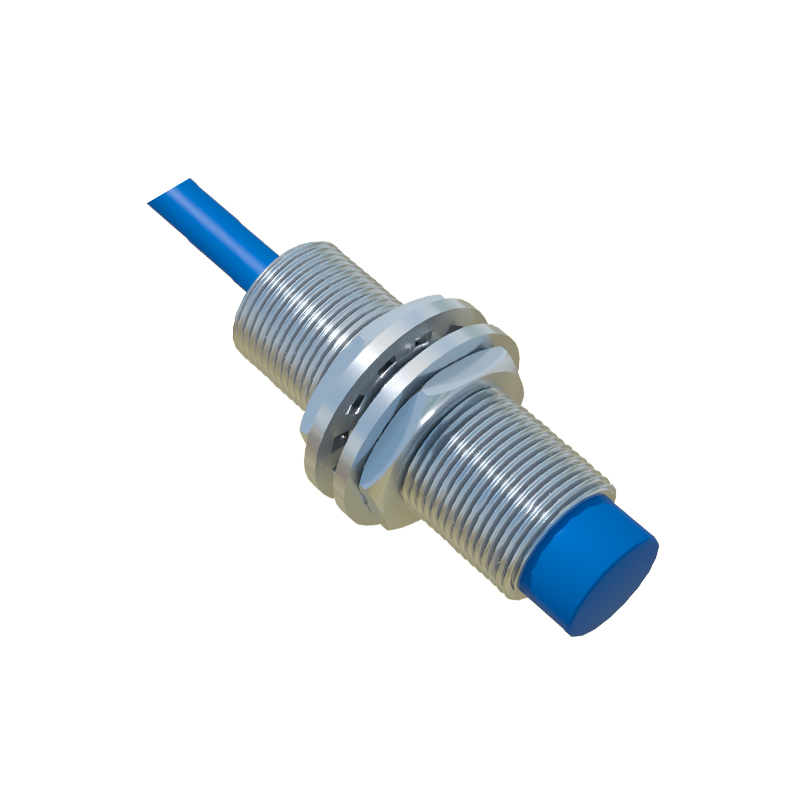
A key advantage of capacitive sensors is their versatility. They are not limited by the color, transparency, or reflectivity of the target material. This makes them ideal for detecting non-metallic objects where inductive sensors fail. Common industrial applications are extensive. In liquid level control, they monitor high and low levels in tanks containing water, chemicals, oils, or beverages. In bulk solid handling, they manage silo levels for grains, plastics pellets, or cement powder. They are also employed in leak detection, presence sensing of plastic or glass containers on conveyor lines, and monitoring material interfaces in pipelines.
Selecting the appropriate capacitive level sensor requires careful consideration of several parameters. First, the process conditions must be defined: the type of material (conductive, non-conductive, adhesive), its temperature, pressure, and any potential for coating or buildup. The construction material of the sensor housing and sensing face is critical; for corrosive environments, PTFE (Teflon) or stainless steel housings are standard. The sensing distance, or nominal range, must be chosen with a safety margin, typically 20-30%, as factors like temperature and supply voltage can affect performance. Output types vary, including analog (4-20mA, 0-10V) for continuous level measurement and discrete (PNP/NPN, relay) for point level detection. The electrical connection, such as cable or connector type, and the required protection rating (IP67, IP69K for washdown areas) are also vital.
Installation and commissioning are straightforward but demand attention. The sensor should be mounted securely, ensuring the sensing field is directed toward the target material and away from interfering objects like agitators or tank walls. A proper ground connection is essential for stable operation. During setup, the sensitivity should be adjusted with the target material present at the desired switching point. Many advanced models feature IO-Link communication, enabling digital parameter setting, remote diagnostics, and process data integration into control systems like PLCs.
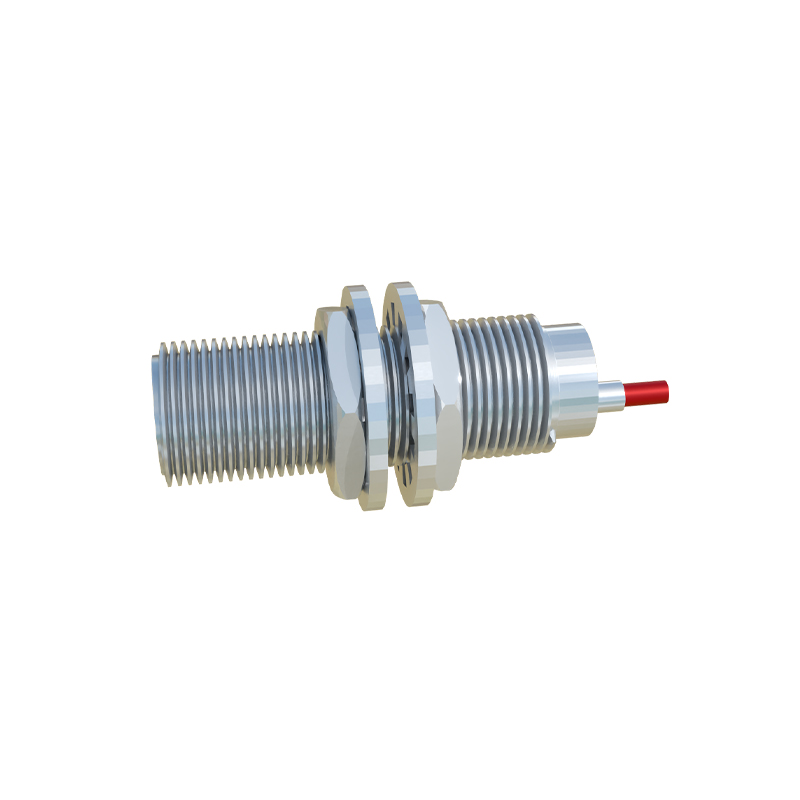
Despite their robustness, users may encounter issues. False triggering can result from excessive material buildup, electrical noise, or an improperly adjusted sensitivity. Selecting a sensor with a "flush" or "non-flush" mounting style appropriate for the tank wall material can mitigate some interference. Regular maintenance, including cleaning the sensing face in coating applications, ensures long-term reliability.
In summary, capacitive proximity level sensors offer a reliable, non-contact solution for diverse level sensing challenges. Their ability to detect a wide range of materials through non-metallic container walls provides unique flexibility. By understanding the underlying capacitance principle and meticulously matching sensor specifications—including material, range, output, and housing—to the application requirements, engineers can ensure optimal performance, enhance process efficiency, and prevent costly overflows or run-dry conditions in automated systems.