In the rapidly evolving landscape of industrial automation and smart device integration, proximity sensing technology stands as a critical component. Among the array of solutions available, the NOVE2S proximity light sensor has emerged as a noteworthy contender, offering a blend of precision, reliability, and adaptability for demanding electrical engineering applications. This article delves into the operational principles, key specifications, and practical implementation considerations of the NOVE2S sensor, providing a detailed technical overview for professionals in the field.
At its core, the NOVE2S is an optoelectronic device designed to detect the presence or absence of an object within a defined range without physical contact. It operates on the principle of modulated infrared (IR) light emission and reception. The sensor incorporates an IR emitter, typically an LED, and a photodetector. The emitter projects a beam of infrared light. When an object enters the sensing field, it reflects a portion of this light back towards the sensor. The integrated photodetector captures this reflected signal. Sophisticated internal circuitry, often involving a dedicated IC, then processes this signal, filtering out ambient light interference and converting the optical return into a clear, stable electrical output. This output is usually a digital signal (e.g., a logic high or low) or an analog voltage proportional to the reflected intensity, indicating object detection.
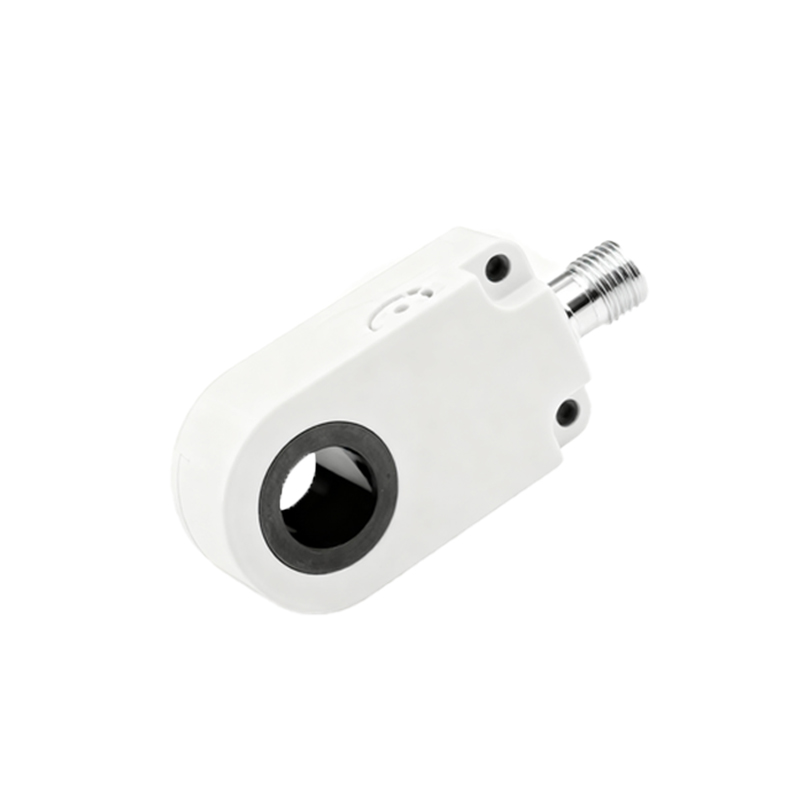
The technical specifications of the NOVE2S sensor define its suitability for various projects. Key parameters include sensing distance, response time, output type, and environmental robustness. The sensing distance is a crucial factor, often adjustable or available in fixed ranges (e.g., 2mm to 10cm), allowing engineers to tailor the sensor to specific application needs, such as object positioning on a conveyor belt or liquid level detection in a tank. The response time, typically in the microsecond to millisecond range, ensures the sensor can keep pace with high-speed automated processes. Output configurations vary; some NOVE2S models feature a simple digital open-collector or push-pull output for direct microcontroller interfacing, while others provide an analog output for distance-proportional measurements. Furthermore, these sensors are generally designed to operate across a wide supply voltage range (e.g., 3.3V to 5V DC) and exhibit strong immunity to ambient light fluctuations, thanks to modulation techniques.
For electrical engineers, integrating the NOVE2S into a system requires careful consideration of several practical aspects. Circuit design must account for proper current limiting for the IR emitter via a series resistor to ensure longevity and consistent output power. The photodetector's output often requires conditioning, such as pull-up resistors for digital outputs or amplification/filtering stages for analog signals. Physical mounting is equally important; the sensor must be positioned to minimize optical crosstalk and ensure the target object's surface reflectivity (which can vary greatly between materials like glossy metal, matte plastic, or transparent glass) is within the sensor's operational window. In challenging industrial environments, factors like dust, moisture, and temperature extremes must be addressed, potentially necessitating sensors with appropriate Ingress Protection (IP) ratings or custom housings.
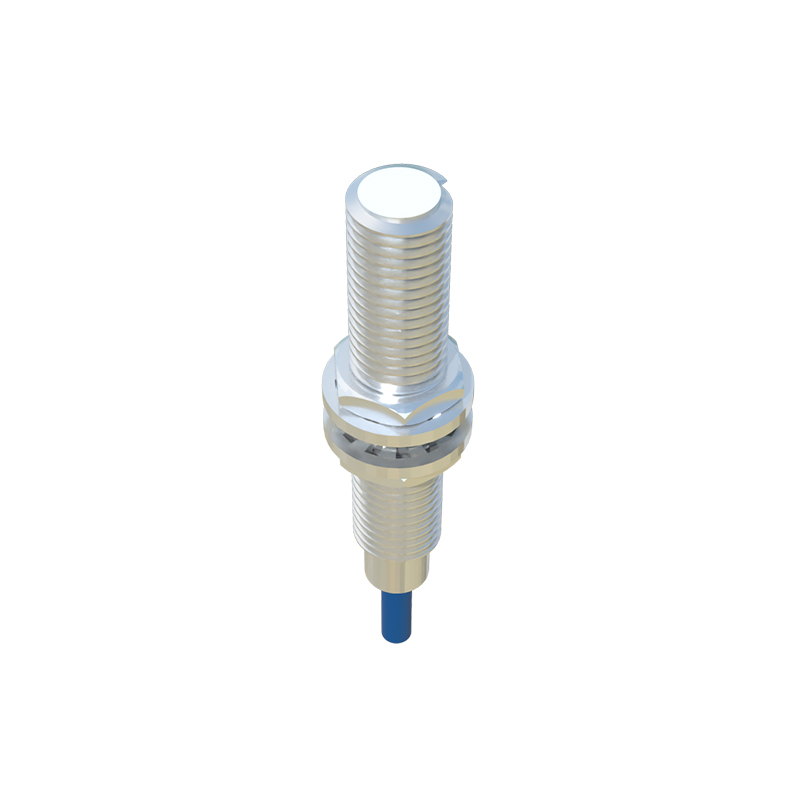
The applications for the NOVE2S proximity light sensor are vast and span multiple industries. In consumer electronics, it is instrumental in enabling features like automatic display blanking during phone calls. Within industrial automation, it serves as a fundamental component for object counting, jam detection in machinery, and precise positioning control. Robotics utilizes these sensors for obstacle avoidance and tactile feedback. Automotive systems employ them for seat occupancy detection and gear position sensing. The sensor's non-contact nature makes it ideal for applications where hygiene is paramount or where physical wear from mechanical switches is undesirable.
When selecting a sensor like the NOVE2S for a project, engineers must perform a thorough evaluation against application requirements. This involves comparing the required sensing range and accuracy against the sensor's datasheet specifications, ensuring the output type is compatible with the host controller (PLC, microcontroller, etc.), and verifying that the operating temperature range and durability match the environmental conditions. Consulting the manufacturer's application notes for layout guidelines to minimize noise and ensure stable operation is a critical step in the design process.
In conclusion, the NOVE2S proximity light sensor represents a sophisticated and versatile tool in the electrical engineer's arsenal. Its ability to provide reliable, non-contact detection through modulated infrared light makes it a preferred choice for countless automation and sensing tasks. A deep understanding of its operating principles, coupled with meticulous attention to integration details regarding circuitry, mounting, and environmental factors, is essential for harnessing its full potential. As technology advances, sensors like the NOVE2S will continue to play a pivotal role in creating more intelligent, efficient, and responsive electrical and electronic systems across all sectors of industry.
SEO描述