In the vast and intricate world of industrial automation and control systems, the ability to detect the presence, absence, or position of an object without physical contact is fundamental. This critical task is performed by a versatile and robust family of devices known as proximity sensors. As an electrical engineer with extensive field experience, I aim to demystify these components, explaining their core principles, types, applications, and key selection criteria.
At its essence, a proximity sensor is a non-contact electronic device designed to detect the presence or absence of a target object within its sensing range. Unlike mechanical limit switches that require physical actuation, proximity sensors perform this detection through the emission of an electromagnetic field, beam of light, or sound waves, and by monitoring changes in the return signal. The absence of moving parts in contact with the target makes them exceptionally reliable, fast, and wear-resistant, leading to minimal maintenance and long service life—a paramount consideration in industrial settings.
The operational principle defines the primary categories of proximity sensors. The most common type in factory automation is the Inductive Proximity Sensor. These sensors generate an oscillating electromagnetic field from a coil located at their sensing face. When a metallic object (ferrous like iron or non-ferrous like aluminum, copper) enters this field, it induces eddy currents on the object's surface. This causes a change in the oscillation amplitude, which is detected by the sensor's circuitry, triggering a solid-state output switch. Inductive sensors are ideal for detecting metal targets in harsh environments with oil, coolant, or dust, and are widely used for position sensing, counting, and speed monitoring on machinery.
For detecting non-metallic objects—such as plastic, glass, wood, or liquids—Capacitive Proximity Sensors are the tool of choice. They function by generating an electrostatic field. Any object that enters this field alters the sensor's capacitance. This change is measured, and when it exceeds a preset threshold, the sensor activates its output. Capacitive sensors can detect virtually any material and are often employed in level detection for tanks (liquids or granules), material handling, and presence detection of packaged goods.
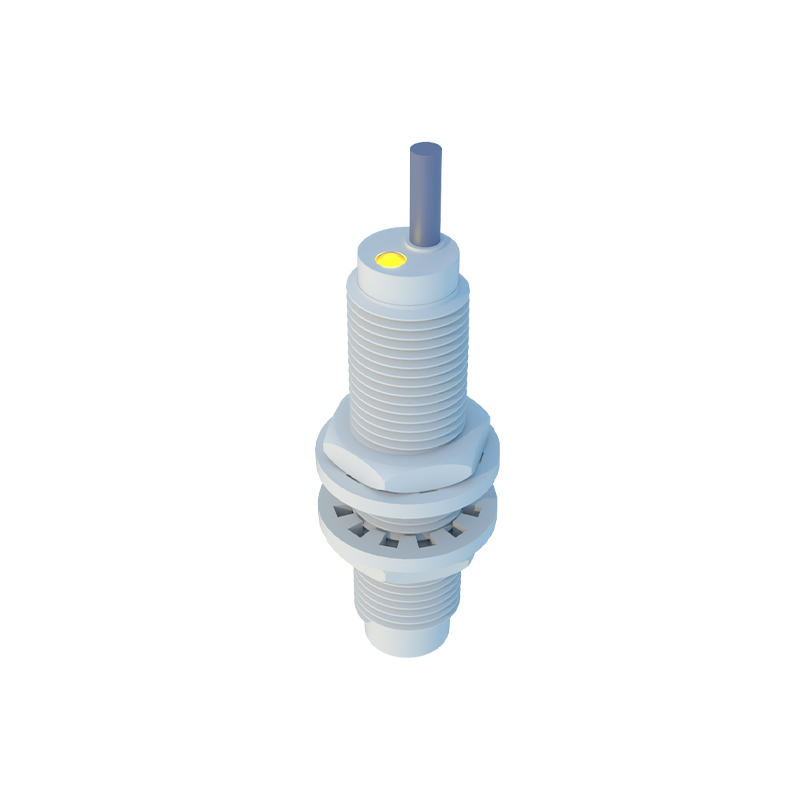
Another major category is the Photoelectric Sensor, which uses light to detect objects. An emitter sends out a beam of light (visible red, infrared, or laser), and a receiver detects the light. Depending on the model, detection occurs when the beam is broken (through-beam), reflected off the target (retro-reflective), or reflected off the target back to a receiver housed in the same unit (diffuse reflective). Photoelectric sensors offer very long sensing ranges and can detect objects of almost any material, color, or finish, making them indispensable in packaging, material handling, and assembly line automation.
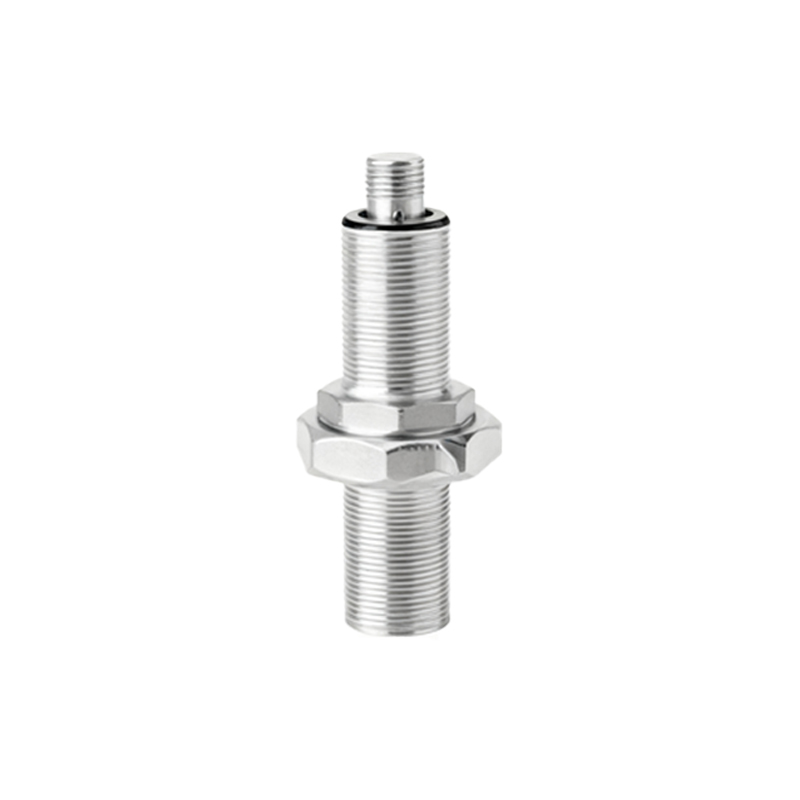
While less common in general industrial automation, Ultrasonic Proximity Sensors use high-frequency sound waves. They measure the time taken for an emitted sound pulse to reflect off a target and return. This time-of-flight principle allows them to detect objects regardless of color, transparency, or material, and they are excellent for distance measurement and level sensing of bulk materials or clear liquids.
The output of a proximity sensor is typically a solid-state switch. The two main output types are NPN (sinking) and PNP (sourcing), which define how the sensor interfaces with the programmable logic controller (PLC) or other control circuitry. Selecting the correct type is crucial for system compatibility. Furthermore, sensors are classified as Normally Open (NO) or Normally Closed (NC), describing the state of the output switch when no target is present.
Selecting the right proximity sensor for an application involves several key considerations:
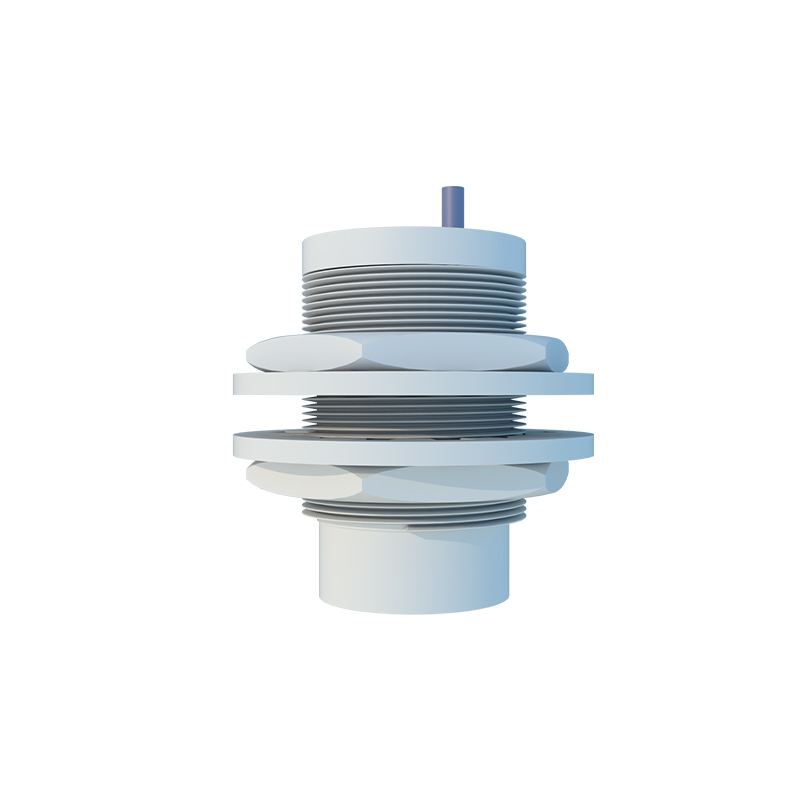
1. Target Material: Metal requires inductive; non-metal requires capacitive or photoelectric.
2. Sensing Distance: The required operating distance from the sensor face to the target. Always consider a safety margin and account for manufacturing tolerances.
3. Environment: Factors like temperature, humidity, presence of chemicals, washdown requirements, and electrical noise influence the housing material (e.g., stainless steel, PBT plastic) and protection rating (IP67, IP69K).
4. Output Configuration: NPN or PNP, NO or NC, must match the input card of the controller.
5. Mounting and Size: Cylindrical (threaded barrel) or rectangular form factors must fit the mechanical design.
6. Response Frequency: The maximum number of detection operations per second, critical for high-speed applications.
In practice, proximity sensors are the unsung heroes of modern manufacturing. They are embedded in CNC machines for tool positioning, on robotic arms for pick-and-place guidance, along conveyor belts for bottle counting, and inside assembly stations to verify component presence. Their reliability ensures smooth, efficient, and safe operation of automated systems.
In conclusion, a