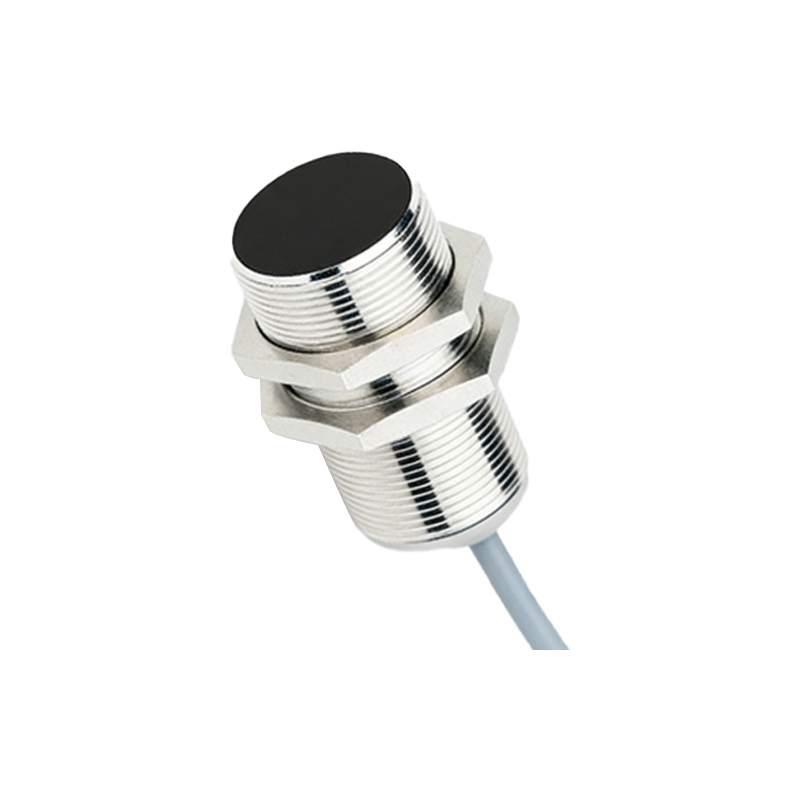
In industrial automation and precision control systems, hourglass proximity sensors have become a critical component due to their unique design and reliable performance. However, mismatch issues often arise during installation, integration, or operation, leading to system failures, reduced efficiency, and increased downtime. This article delves into the common causes of mismatch in hourglass proximity sensors and provides practical solutions to mitigate these challenges.
Hourglass proximity sensors, named for their distinctive shape resembling an hourglass, are widely used for detecting the presence or absence of objects within a specific range. They operate on principles such as inductive, capacitive, or ultrasonic sensing, depending on the application. Despite their robustness, mismatches can occur due to several factors. One primary cause is incorrect sensor selection. Engineers may choose a sensor with an unsuitable sensing range, output type, or environmental rating for the intended task. For instance, using an inductive sensor to detect non-metallic objects will inevitably result in failure. Similarly, selecting a sensor with a voltage output when the control system requires a current loop signal can create compatibility issues.
Another common source of mismatch is improper installation. Hourglass sensors require precise alignment and mounting to function optimally. Deviations in positioning, such as incorrect distance from the target or angular misalignment, can lead to erratic readings or complete sensor failure. Environmental conditions also play a significant role. Factors like temperature fluctuations, humidity, dust, and electromagnetic interference can affect sensor performance, causing mismatches if not accounted for during design. For example, high temperatures may alter the sensor's internal components, reducing its sensitivity or causing drift.
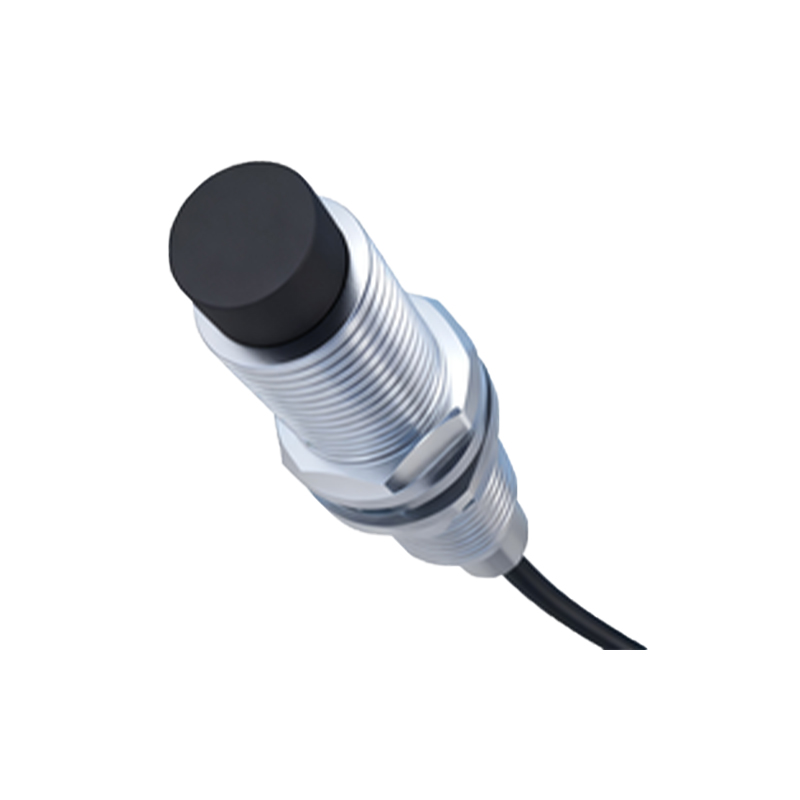
Electrical mismatches are equally problematic. Incompatibilities between the sensor's power supply requirements and the available system voltage can lead to underperformance or damage. Additionally, wiring errors, such as reversed polarity or incorrect grounding, often cause sensors to malfunction. Signal interference from nearby equipment, like motors or frequency drives, can further exacerbate these issues, resulting in false triggers or missed detections.
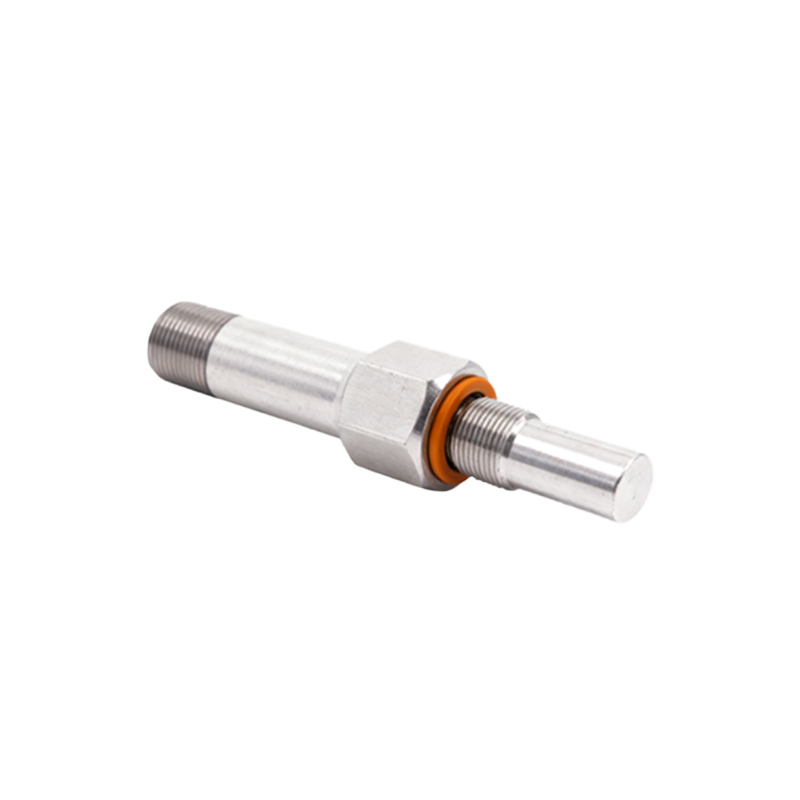
To address these mismatch problems, a systematic approach is essential. First, thorough planning during the sensor selection phase is crucial. Engineers should carefully evaluate the application requirements, including target material, sensing distance, environmental conditions, and output specifications. Consulting manufacturer datasheets and application notes can provide valuable insights into the right sensor choice. For instance, in harsh environments, opting for sensors with high IP ratings and temperature tolerances can prevent mismatch due to external factors.
Proper installation practices are key to avoiding physical mismatches. Following manufacturer guidelines for mounting, alignment, and spacing ensures optimal performance. Using alignment tools or fixtures can help achieve precise positioning. Regular maintenance, including cleaning and calibration, also helps sustain sensor accuracy over time. For electrical mismatches, ensuring compatibility between the sensor and control system is vital. This involves verifying voltage levels, signal types, and wiring configurations. Implementing shielding for cables and using filters can reduce electromagnetic interference, enhancing signal integrity.
In cases where mismatches persist, troubleshooting steps like signal monitoring, diagnostic testing, and firmware updates (if applicable) may be necessary. Collaborating with sensor manufacturers or technical support teams can provide tailored solutions for complex scenarios. By understanding the root causes of mismatch and adopting preventive measures, industries can enhance the reliability of hourglass proximity sensors, minimizing downtime and improving overall system efficiency. Ultimately, proactive management of these sensors contributes to smoother operations and long-term cost savings in automated processes.