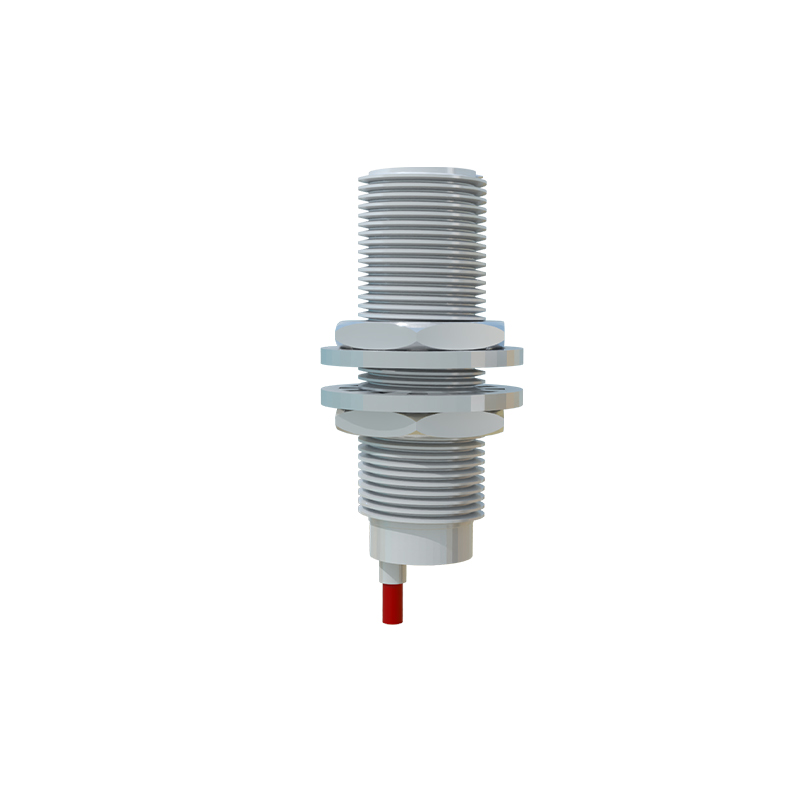
In the realm of modern smartphone design, the proximity light sensor is a small yet indispensable component that significantly enhances user experience. Often overlooked, this sensor plays a critical role in enabling intuitive interactions and conserving device power. Fundamentally, a proximity light sensor is an optoelectronic device that detects the presence or absence of nearby objects without any physical contact. It typically combines an infrared (IR) light-emitting diode (LED) and an IR light detector, such as a photodiode or phototransistor.
The operational principle is elegantly straightforward. When a user initiates or receives a phone call and places the device near their ear, the sensor's IR LED emits an invisible infrared beam. If an object, like the user's head, is within a close range—usually a few centimeters—the beam reflects off the object and is captured by the IR detector. The sensor's integrated circuit then processes this signal, determining the object's proximity. Consequently, the smartphone's operating system triggers specific actions. The most common and noticeable function is automatically turning off the touchscreen display during calls. This serves a dual purpose: it prevents accidental screen touches from the cheek or ear (such as muting the call or pressing buttons) and reduces power consumption by deactivating the display backlight, thereby extending battery life.
Beyond call management, proximity sensors contribute to other smart features. For instance, they can disable the display when the phone is placed face down or stored in a pocket or bag, preventing unintended wake-ups and saving energy. Some devices utilize proximity data in conjunction with ambient light sensors to optimize screen brightness more dynamically. In advanced implementations, these sensors aid in gesture recognition, allowing users to perform simple commands by waving a hand over the sensor area.
From an engineering perspective, the design and integration of proximity sensors involve several technical considerations. Key parameters include detection range, response time, power efficiency, and immunity to ambient light interference. Modern sensors often incorporate digital output and sophisticated algorithms to filter out noise, such as sunlight or artificial lighting that contains IR components. They are typically positioned near the earpiece speaker at the top of the phone's front bezel, often hidden behind the glass or within a small cutout, maintaining the device's aesthetic integrity.
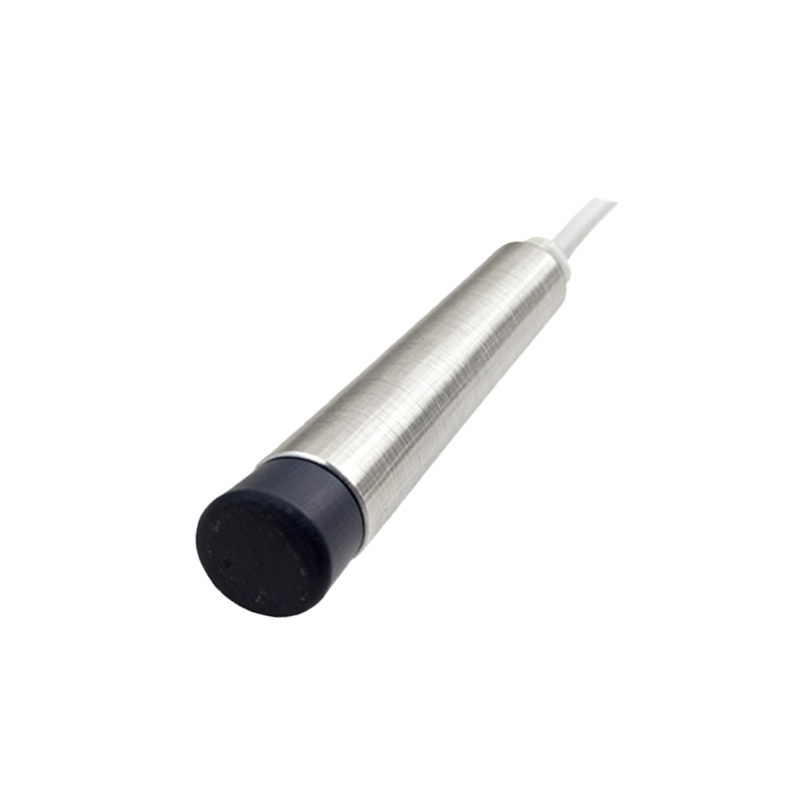
The evolution of smartphone proximity sensors reflects broader industry trends toward miniaturization and multifunctionality. Early versions were discrete components, but contemporary designs frequently integrate the proximity sensor with the ambient light sensor and even front-facing cameras into a single modular unit. This integration saves internal space—a precious commodity in slim devices—and simplifies assembly. Furthermore, with the advent of full-screen and bezel-less displays, sensor placement has become more challenging, prompting innovations like under-display sensor technologies that operate through the OLED panel.
In summary, the proximity light sensor is a quintessential example of how a seemingly minor hardware element can profoundly impact usability and efficiency. It embodies the seamless, human-centric interaction that defines premium smartphones. As mobile technology continues to advance, these sensors will likely become even more sophisticated, enabling new interactive paradigms while remaining a silent, reliable guardian against unintended operations and power waste. For engineers and enthusiasts alike, understanding this component offers insight into the intricate harmony of hardware and software that makes modern smartphones so intuitive and powerful.