In the world of industrial automation and electronic sensing, proximity sensors are widely recognized for their ability to detect the presence or absence of an object without physical contact. However, a common question arises: can proximity sensors measure distance? The answer is nuanced, as it depends on the type of proximity sensor and its specific design. Proximity sensors primarily fall into categories such as inductive, capacitive, ultrasonic, and optical (including infrared and laser). While traditional inductive and capacitive sensors are typically binary—outputting a simple on/off signal when an object enters their detection range—they do not provide precise distance measurements. These sensors are ideal for applications like object counting, position verification, or safety interlocks, where exact distance data is unnecessary.
On the other hand, certain proximity sensors are indeed capable of distance measurement. Ultrasonic proximity sensors, for instance, emit sound waves and calculate distance based on the time it takes for the echo to return. Similarly, optical proximity sensors, especially laser-based variants, can measure distance with high accuracy by analyzing reflected light. These types are often referred to as distance-measuring sensors or proximity sensors with analog output. They provide continuous data, such as voltage or current signals proportional to the distance, enabling applications like level monitoring, robotic navigation, and assembly line positioning.
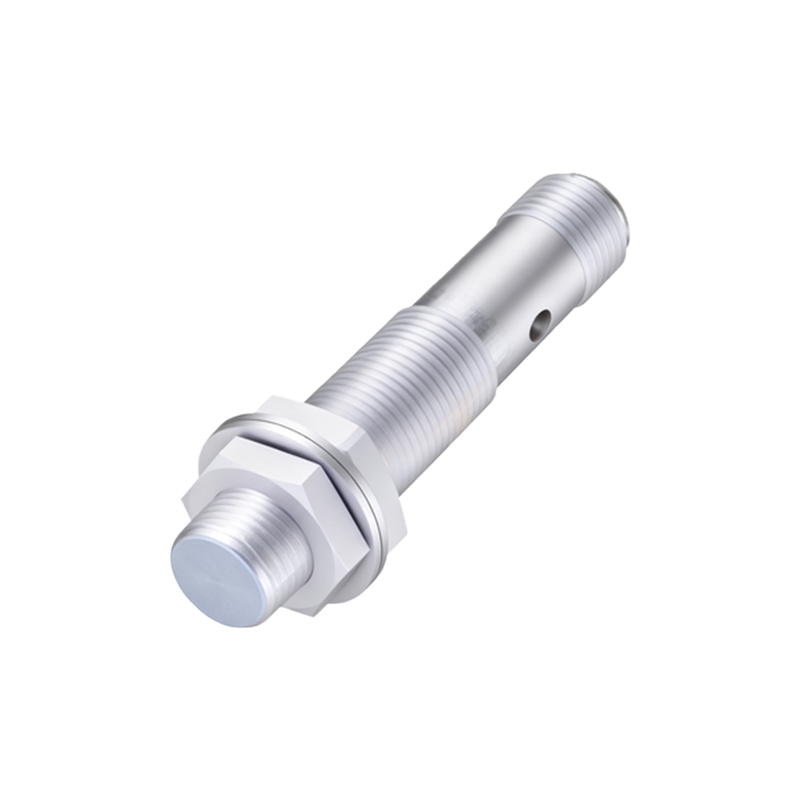
The key distinction lies in the sensor's output and technology. Binary proximity sensors offer a detection range (e.g., 5 mm to 20 mm) but only indicate whether an object is within that range. In contrast, analog or programmable proximity sensors can output specific distance values, making them suitable for tasks requiring precise measurement. Factors like material properties, environmental conditions (e.g., dust, humidity), and target surface characteristics can affect accuracy. For example, ultrasonic sensors may struggle with soft materials that absorb sound, while optical sensors might be sensitive to ambient light.
In practical terms, if your application demands exact distance data—such as in automated warehousing for inventory management or in automotive systems for parking assistance—opting for a distance-measuring proximity sensor is essential. Always consult the sensor datasheet for specifications like measurement range, resolution, and linearity. Ultimately, while not all proximity sensors measure distance, advanced variants do, bridging the gap between simple detection and detailed spatial analysis in modern engineering solutions.