In the realm of industrial automation and machine safety, proximity switch sensors are fundamental components for non-contact detection of objects. Their ability to sense the presence or absence of metallic or non-metallic targets without physical contact makes them indispensable. When integrated with an audible alert system—typically a buzzer—their functionality and utility are significantly enhanced. This combination creates a powerful sensory feedback loop, merging silent electronic detection with immediate, unmistakable audible confirmation.
The core technology of a proximity sensor remains unchanged: it generates an electromagnetic field or a beam of light. When a target object enters this field, it causes a change in the oscillation amplitude or light reflection, which is detected by the sensor's circuit, triggering a switching action. The output is typically a digital signal (e.g., PNP or NPN). The integration of a buzzer adds a new layer to this output. The buzzer, often a piezoelectric or electromagnetic sound transducer, is wired to the sensor's output signal. Upon detection, the sensor not only sends a signal to the PLC or controller but also activates the buzzer to produce a sound—commonly a beep, continuous tone, or intermittent alarm.
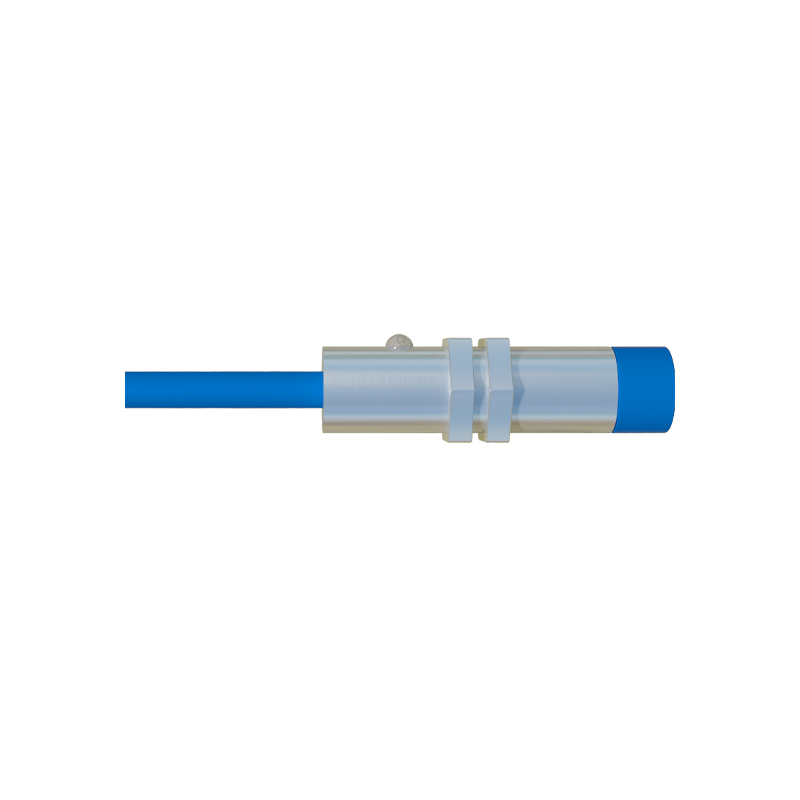
This integration serves multiple critical purposes. Primarily, it provides instant local audible feedback for operators. In a noisy production line, a visual indicator on an HMI might be missed, but a distinct, programmed audible signal cuts through ambient noise, alerting personnel to a specific machine state. For instance, it can signal the correct positioning of a workpiece in a fixture, the completion of a robotic pick-and-place cycle, or the passage of an item on a conveyor. Secondly, it is a vital tool for debugging and commissioning. During machine setup or troubleshooting, technicians can audibly verify sensor activation without needing to monitor a control panel, dramatically speeding up the process. Furthermore, in safety-critical applications, a buzzer can serve as a pre-warning before a machine cycle starts or indicate a fault condition, such as a jam or misalignment.
The applications for proximity sensors with built-in or externally connected buzzers are vast across industries. In automotive assembly, they confirm part presence before a welding operation. In packaging machinery, they verify that a case is in position for filling or sealing. In material handling, they alert operators when a bin is full or a chute is empty. The food and beverage industry uses them with buzzers to signal batch completion or process errors. Even in access control systems, a discreet beep from a sensor can indicate a door is properly secured.
Selecting the right proximity sensor with a buzzer requires careful consideration of several parameters. First, determine the sensing technology: inductive for metals, capacitive for non-metals (plastics, liquids), or photoelectric for longer ranges and various materials. The sensing distance, or "switching distance," must be chosen with a safety margin to account for target variations and environmental factors. The housing material is crucial—stainless steel for washdown environments in food processing, or rugged PBT plastic for general industrial use. The electrical specifications, such as operating voltage (commonly 10-30V DC) and output type, must match the control system.
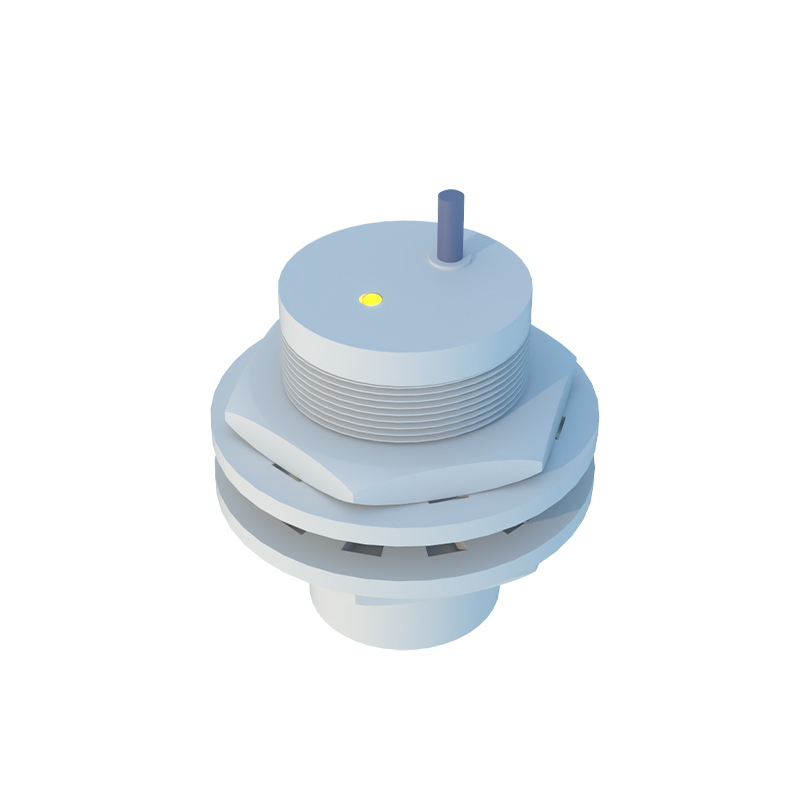
The buzzer itself must be specified. Key factors include sound pressure level (SPL measured in dB), which determines loudness, and the frequency of the tone. A higher dB rating is needed for noisy environments. The tone type (continuous, intermittent, beep pattern) should be selectable to convey different messages. Voltage compatibility and current consumption are also essential. Some advanced models offer programmable sound patterns or volume control via teach-in buttons or IO-Link communication, allowing for greater customization without hardware changes.
Installation and wiring are straightforward but require attention. Ensure the sensor is mounted securely without misalignment to the target path. Provide adequate clearance from surrounding metal to avoid false triggering. For the buzzer connection, follow the manufacturer's diagram precisely; typically, one wire connects to the sensor's switched output and the other to the power supply common. Environmental protection is another key consideration. Look for appropriate IP (Ingress Protection) ratings—IP67 is standard for resistance to dust and temporary immersion, which is often sufficient for industrial settings.
Maintenance is generally minimal for these robust devices. However, periodic checks are recommended. The sensing face should be kept clean from oil, dust, or debris buildup that could attenuate the sensing field. The buzzer's sound outlet should also be checked for obstructions. Testing the audible alarm regularly as part of preventative maintenance ensures the system remains reliable.
In conclusion, the marriage of a proximity switch sensor and a buzzer creates a synergistic device that enhances both operational efficiency and safety. It transforms a binary detection event into a communicative action, providing clear, immediate feedback to the human operators in the loop. For engineers and system integrators, understanding the integration principles