In the realm of industrial automation and control systems, proximity sensors stand as indispensable components for non-contact object detection. Among these, the SN05-N inductive proximity sensor has garnered significant recognition for its reliability and versatility. This article delves into the technical specifications, operational principles, and practical applications of the SN05-N sensor, providing a detailed guide for engineers and technicians.
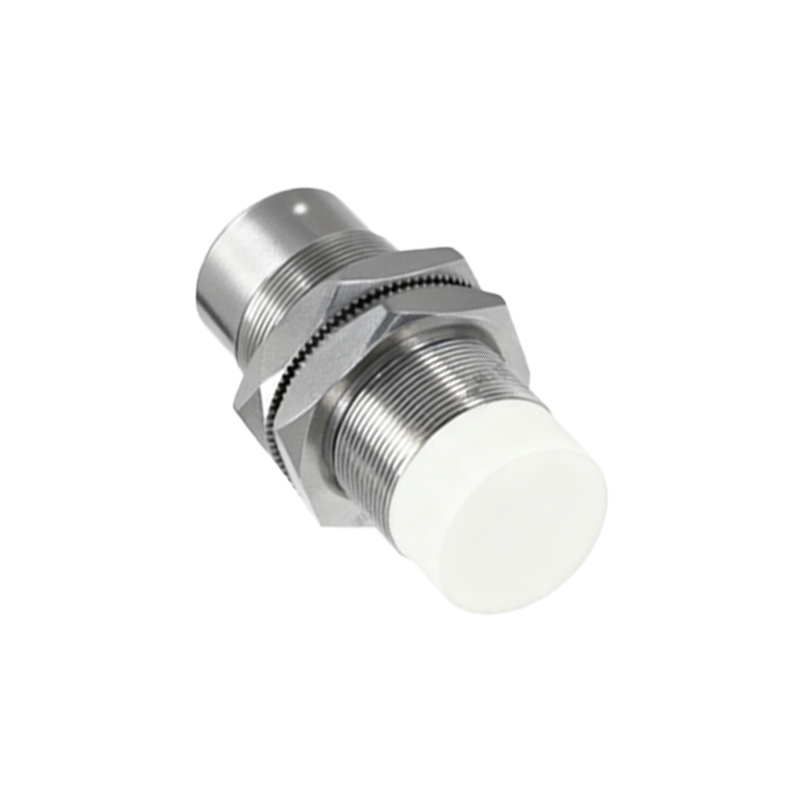
The SN05-N is a cylindrical, shielded inductive proximity sensor designed to detect metallic objects without physical contact. Its core operating principle is based on electromagnetic induction. The sensor generates a high-frequency oscillating electromagnetic field from its active face. When a metallic target enters this detection field, eddy currents are induced within the target. This causes a change in the oscillation amplitude within the sensor's internal LC oscillator circuit. This change is then processed by the sensor's circuitry, triggering a solid-state switching output—typically a PNP (sourcing) or NPN (sinking) transistor—to signal the presence of the object.
Key specifications define the SN05-N's performance envelope. It typically operates on a DC supply voltage ranging from 6 to 36V DC, making it compatible with standard industrial control voltages. The sensing distance, or nominal range, is standardized at 5mm. It is crucial to note that this is the rated operating distance for a standard mild steel target. Factors such as target material, size, and shape can influence the effective sensing range. For instance, detection distances for non-ferrous metals like aluminum or copper are often reduced, typically to 40-60% of the rated distance. The sensor features a normally open (NO) output configuration, meaning the output switch closes (turns on) when a target is detected. Its housing is rated IP67, ensuring robust protection against dust ingress and temporary immersion in water, which is vital for harsh industrial environments.
The wiring and installation of the SN05-N sensor are straightforward. A standard three-wire configuration is employed: brown wire for positive supply voltage (+V), blue wire for common negative (0V), and black wire for the switched output signal. For proper operation, it is essential to connect a load (such as a PLC input, relay coil, or indicator lamp) between the black output wire and the blue common wire (for PNP type) or between the black wire and the brown positive wire (for NPN type). During installation, attention must be paid to its shielded design. While this design minimizes the influence of adjacent metallic objects, it is still recommended to maintain a minimum clearance between multiple sensors and between the sensor body and the mounting nut to prevent mutual interference.
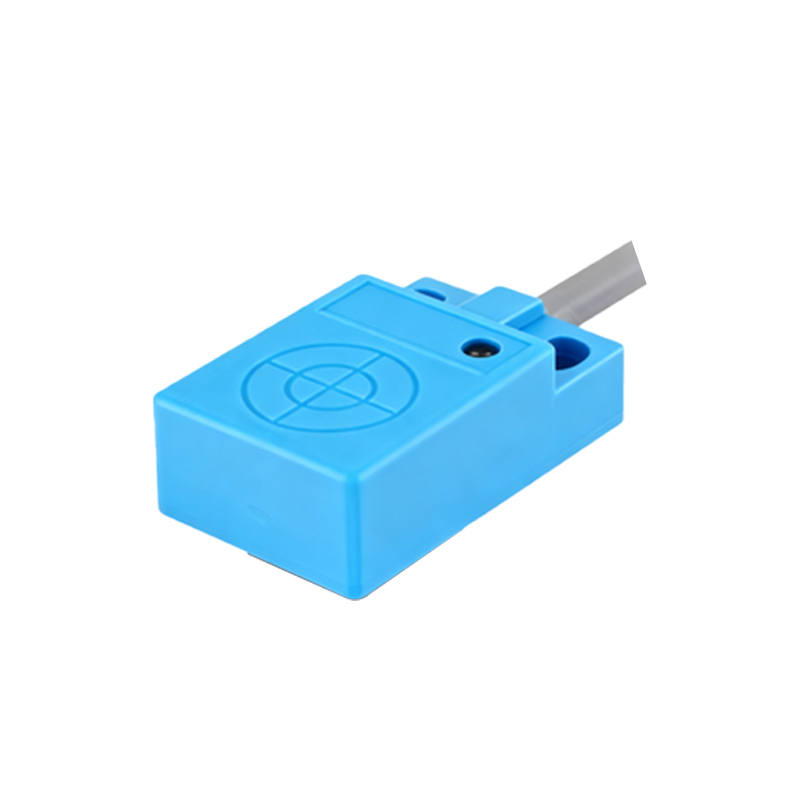
The application spectrum of the SN05-N sensor is remarkably broad within factory automation. Common use cases include position sensing and end-of-travel detection on linear actuators, cylinders, and conveyor systems. It is extensively used for part presence verification in assembly lines, robotic work cells, and packaging machinery—confirming that a component is correctly positioned before the next process step. Furthermore, it serves in simple counting tasks, speed monitoring of rotating shafts (by detecting gear teeth or keyways), and as a safety interlock to confirm the closure of guards or doors. Its compact M12 housing with a standard Pg7 or M12 connector thread facilitates easy integration into control panels and machinery.
For optimal performance and longevity, several maintenance and troubleshooting considerations are paramount. Ensure the target material and size are within the sensor's specifications. Avoid using the sensor in environments with strong electromagnetic interference or near welding equipment without proper shielding. Accumulation of metallic dust or chips on the active sensing face can reduce the effective sensing range and must be cleaned regularly. If a sensor fails, a systematic approach is advised: first, verify the power supply voltage with a multimeter, then check the output state (on/off) with and without a target present, and finally, inspect the wiring and load for shorts or open circuits.
In conclusion, the SN05-N inductive proximity sensor represents a robust, cost-effective solution for a multitude of detection tasks in industrial settings. Its consistent performance, ease of installation, and durable construction make it a staple in an engineer's toolkit. Understanding its operating principles and application nuances is key to designing reliable and efficient automated systems. As technology evolves, the fundamental role of such sensors in bridging the physical and control worlds remains unchallenged.