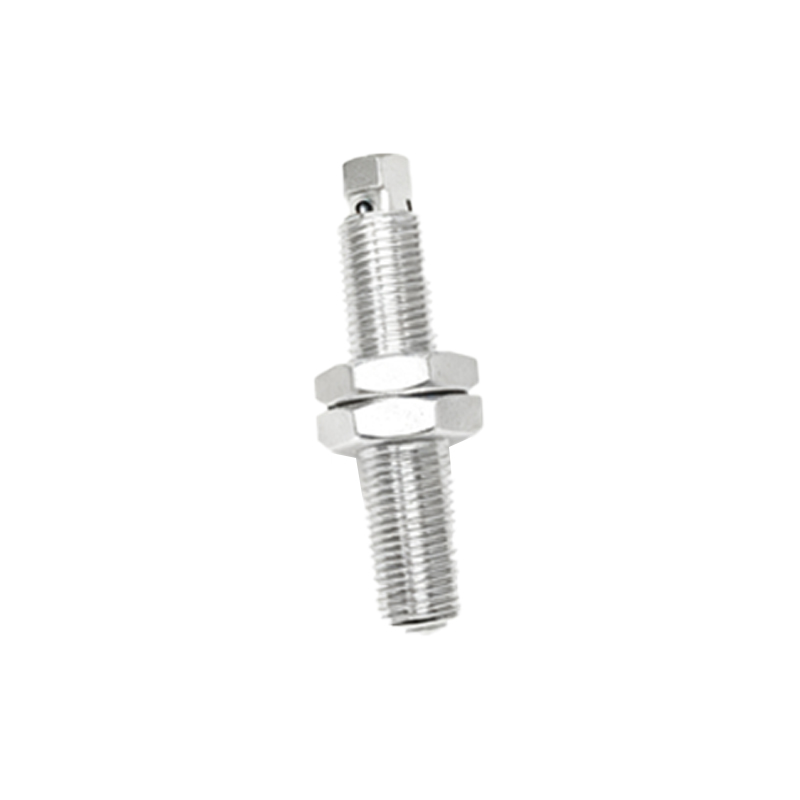
In today's industrial automation and smart manufacturing sectors, green proximity sensors have become indispensable components due to their energy efficiency, environmental friendliness, and high reliability. These sensors, designed to detect the presence or absence of objects without physical contact, are widely used in applications ranging from automotive assembly lines to packaging machinery and robotics. This guide provides a detailed overview of popular green proximity sensor models, highlighting their specifications, features, and ideal use cases.
First, let's explore the inductive green proximity sensors, which are ideal for detecting metallic objects. Models like the GreenSense ProX IM18-08 offer a sensing range of up to 8 mm, with a robust stainless steel housing that ensures durability in harsh environments. Its low power consumption and IP67 rating make it suitable for outdoor or wet conditions. Another notable model is the EcoDetect IL30-15, featuring a 15 mm range and a built-in LED indicator for easy status monitoring. These sensors often operate on DC voltages from 10-30V and are commonly used in metal detection systems, conveyor belts, and machine safety applications.
For non-metallic object detection, capacitive green proximity sensors are the go-to choice. The GreenCap CQ12-04 model excels in detecting materials like plastic, wood, or liquids with a range of 4 mm. It includes temperature compensation to maintain accuracy in varying climates, and its compact design allows for installation in tight spaces. The EnviroSense CQ20-10 offers a longer 10 mm range and adjustable sensitivity, making it versatile for applications in food processing or pharmaceutical industries where hygiene is critical. These sensors typically support DC 12-24V power and feature short-circuit protection for enhanced safety.
Magnetic green proximity sensors, such as the MagGreen MG05-02, are specialized for detecting magnetic fields, often paired with permanent magnets. With a 2 mm range and reed switch technology, they provide reliable operation in low-energy circuits. Models like the GreenReed MR10-05 include a hermetically sealed glass capsule for resistance to dust and moisture, ideal for automotive door sensing or position control in clean energy systems. Their simple two-wire design simplifies wiring and reduces installation time.
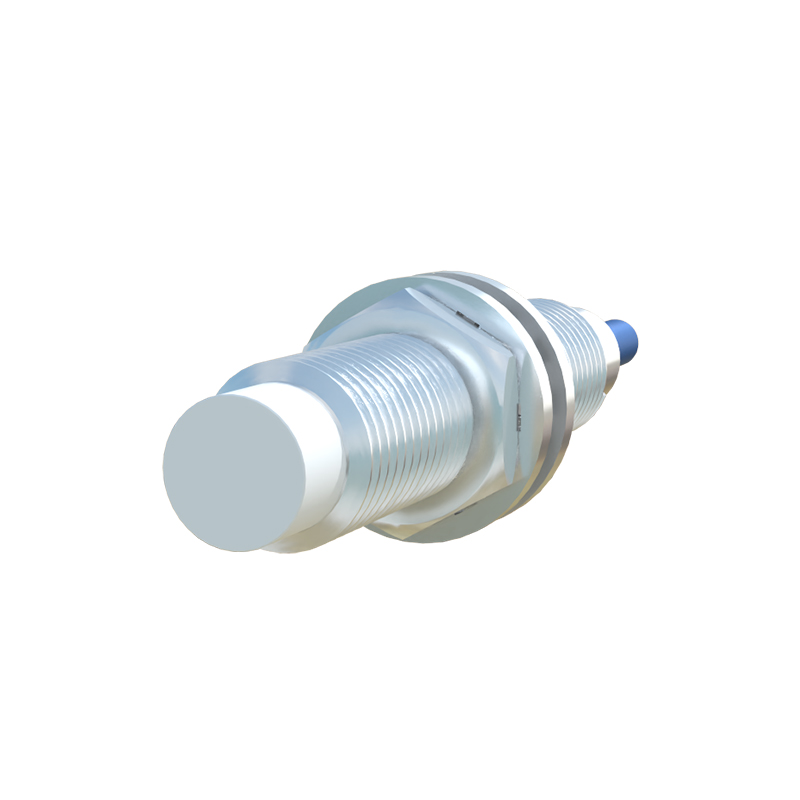
Ultrasonic green proximity sensors offer the longest detection ranges, suitable for distance measurement and level control. The SonarGreen US50-100 model can detect objects up to 100 cm away with an accuracy of ±1 mm, using sound waves to operate in dusty or foggy conditions where optical sensors might fail. It features analog output and programmable settings via software interface. The EchoSense US30-50 is a more compact option with a 50 cm range, perfect for liquid tank monitoring or automated guided vehicles (AGVs). These sensors often require 20-30V DC power and include noise filtering for stable performance.
Photoelectric green proximity sensors use light beams for detection and are highly versatile. The PhotoGreen PX18-05 model employs infrared LED technology with a 5 m range and a response time of less than 1 ms, ensuring fast operation in high-speed production lines. It comes with both NPN and PNP output configurations for compatibility with different control systems. The LightSense PX25-10 offers background suppression to ignore reflective surfaces, making it reliable for object counting or sorting in recycling facilities. These sensors are energy-efficient, with many models consuming under 0.5W during operation.
When selecting a green proximity sensor, consider factors like sensing distance, material compatibility, environmental ratings (e.g., IP68 for waterproofing), and output type (e.g., digital, analog, or IO-Link). For instance, in renewable energy setups like wind turbines, sensors with high vibration resistance and wide temperature ranges (-25°C to 70°C) are preferred. Always refer to manufacturer datasheets for detailed specifications and ensure proper installation to maximize lifespan and accuracy.
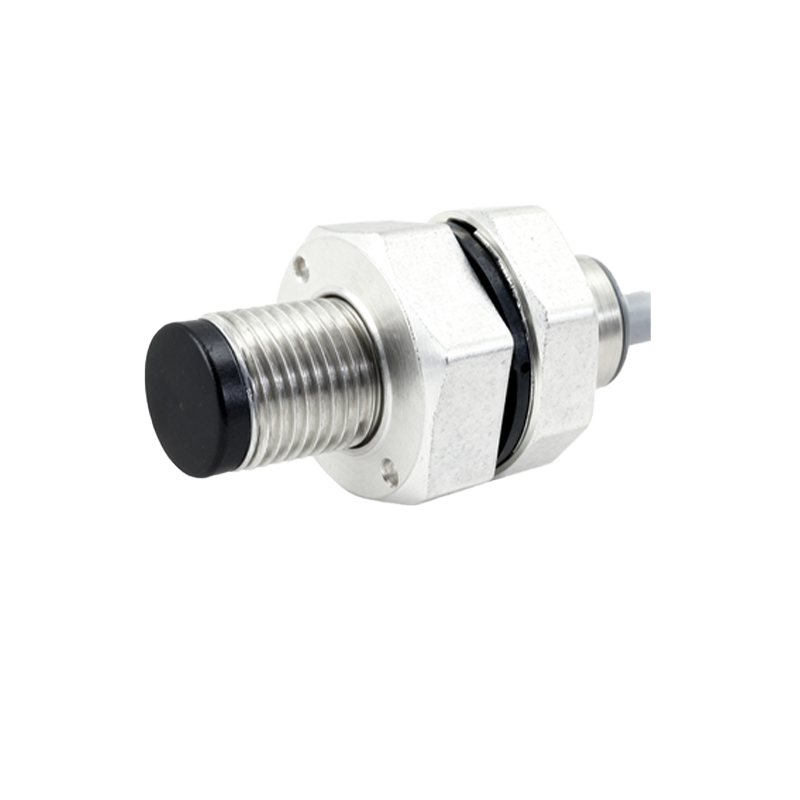
In summary, green proximity sensors combine sustainability with advanced technology, reducing carbon footprints while enhancing operational efficiency. From the inductive GreenSense ProX series to the ultrasonic SonarGreen models, each type offers unique benefits tailored to specific industrial needs. By choosing the right model, engineers can optimize automation processes, minimize waste, and contribute to a greener future. For more information, consult industry standards like IEC 60947-5-2 to ensure compliance and safety in your applications.