In the realm of industrial automation and sensing technology, the M12 proximity sensor stands as a ubiquitous and critical component. A key physical characteristic defining its installation and compatibility is its thread pitch. This article delves into the specifics of M12 sensor thread pitch, its standardization, and its practical implications for engineers and technicians.
The term "M12" refers to the metric thread size, specifically a 12mm outer diameter. The thread pitch, however, defines the distance between adjacent threads. For standard M12 electrical connectors and sensors, the most common and globally recognized thread pitch is 1.0 mm. This means there is 1.0 millimeter from the crest of one thread to the crest of the next. This standardization is crucial for interoperability. When specifying an M12 sensor, stating "M12 x 1.0" confirms the thread dimensions, ensuring the sensor will mate correctly with a corresponding M12 receptacle, cable gland, or mounting locknut.
The prevalence of the 1.0 mm pitch is not arbitrary. It offers an optimal balance between mechanical strength, sealing capability, and ease of assembly. A finer pitch could provide more threads per unit length, potentially improving sealing in dynamic applications, but would be more susceptible to cross-threading and damage. A coarser pitch might be stronger in some aspects but could compromise the integrity of the seal, especially in environments requiring IP67, IP68, or IP69K ratings for protection against dust and water ingress. The M12 x 1.0 thread, when used with a proper sealing washer or O-ring, reliably achieves these high ingress protection ratings.
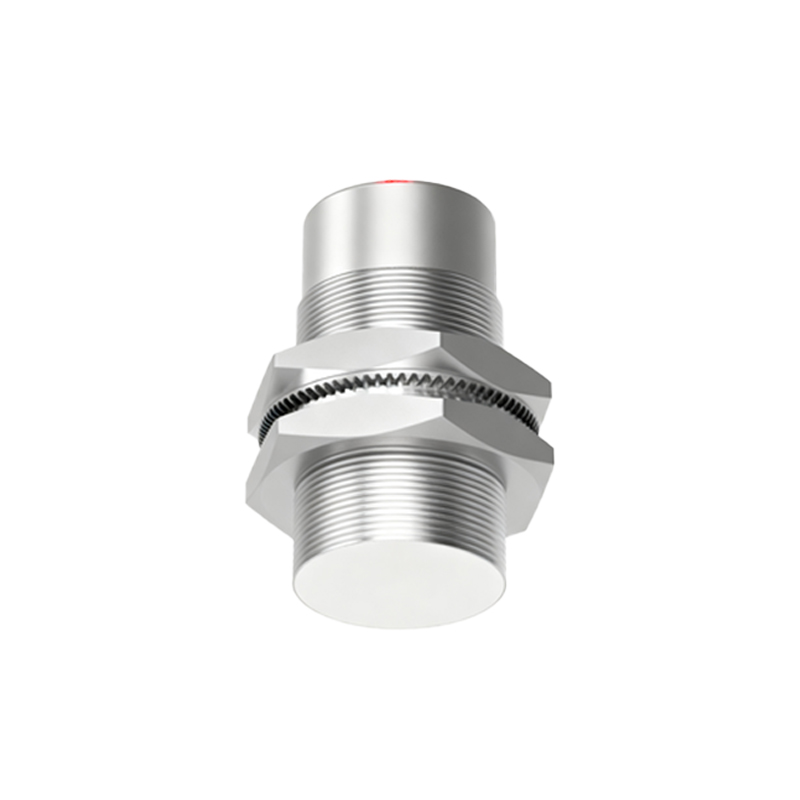
It is vital to note that while M12 x 1.0 is the industry standard for sensor connectivity, other pitches for M12 threads do exist in different engineering contexts. For instance, in purely mechanical fastening, one might encounter M12 x 1.5 or M12 x 1.25 threads. However, in the context of inductive proximity sensors, capacitive proximity sensors, photoelectric sensors, and associated fieldbus connectors (like those for PROFINET, EtherNet/IP, or IO-Link), the pitch is unequivocally 1.0 mm. Using a sensor with a non-standard pitch would render it physically incompatible with standard mounting holes and connectorized cables, leading to installation failures, damaged threads, and compromised system integrity.
For installation personnel, understanding this specification prevents errors. When mounting an M12 sensor, the process is straightforward: align the sensor threads with the threaded mounting hole and rotate clockwise. The 1.0 mm pitch allows for a secure fit within a few turns—typically requiring a standard tightening torque of 0.4 to 0.6 Nm for plastic-housed sensors and up to 1.5 Nm for metal-housed variants, as per manufacturer specifications. Over-torquing must be avoided, as it can strip the threads, crack sensor housings, or deform sealing elements, leading to premature failure.
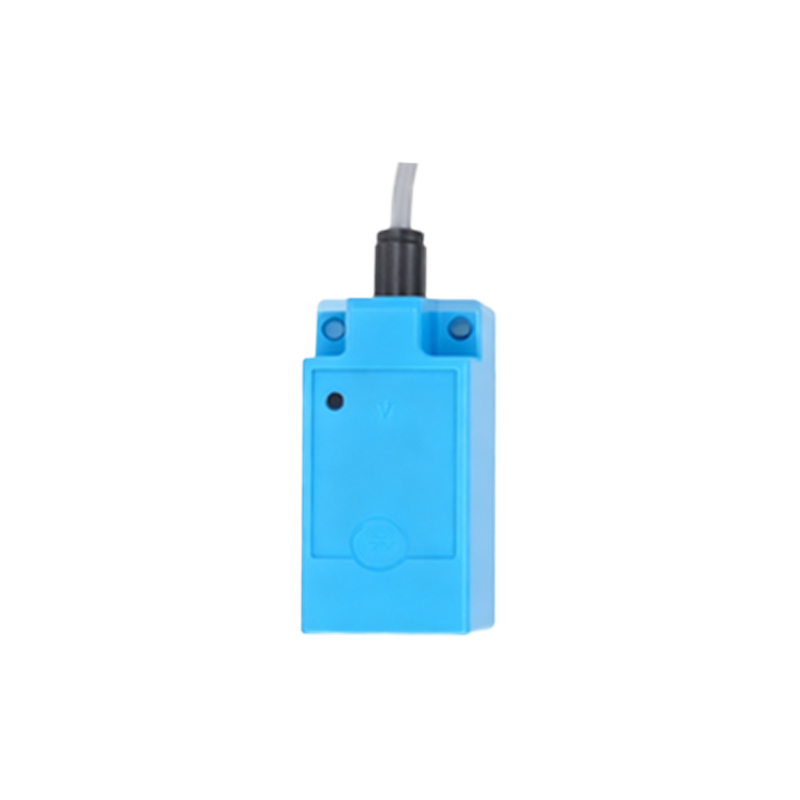
From a procurement and design perspective, engineers must always verify the thread specification on datasheets. It is commonly listed under "Mechanical Data" or "Installation" as "Connector: M12, 4-pin (or other), thread: M12 x 1.0." This ensures that the selected sensor is compatible with existing machine panels, connectorized cabling systems, and mounting accessories. In automated assembly lines, packaging machinery, material handling systems, and robotic cells, this compatibility is non-negotiable for maintaining uptime and facilitating easy replacement.
In summary, the thread pitch for a standard M12 proximity sensor is a definitive 1.0 millimeter. This specification is a cornerstone of industrial sensor design, enabling robust, sealed, and interchangeable connections in harsh environments. Adherence to this standard simplifies global supply chains, reduces maintenance complexity, and ensures reliable performance. For any professional working with industrial sensors, a clear grasp of this fundamental mechanical detail—M12 x 1.0—is essential for successful system integration and operation.