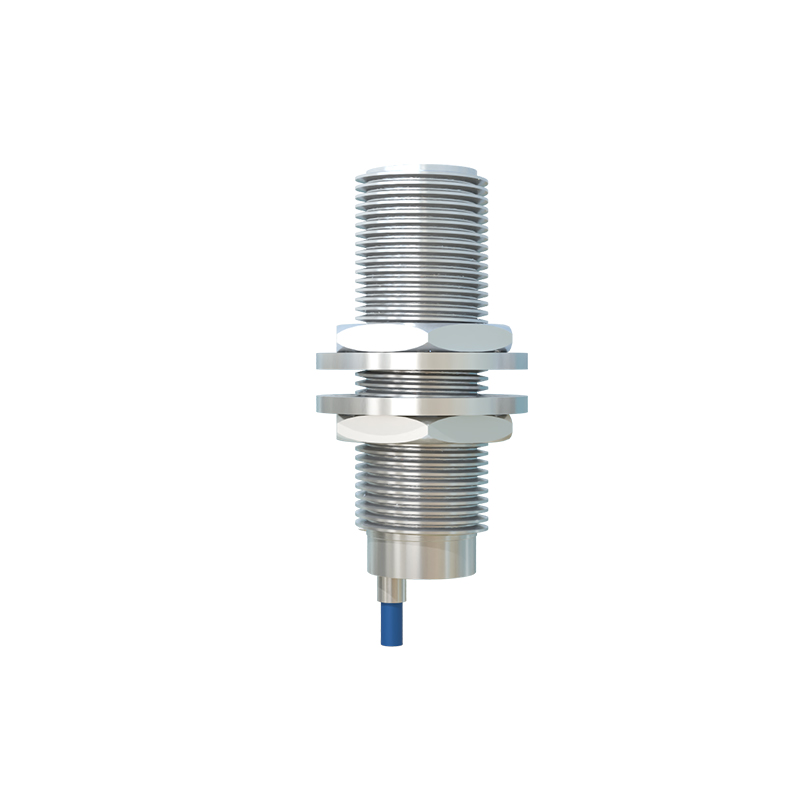
In the realm of industrial automation, laser cutting machines stand as pinnacles of precision and efficiency. Central to their operation are proximity sensors, which play a critical role in ensuring both accuracy and safety. These sensors, often overlooked, are the silent guardians that enable high-speed, non-contact detection of materials and components, directly impacting the machine's performance and reliability.
Proximity sensors in laser cutting systems primarily function to detect the presence or absence of a target—typically the workpiece—without physical contact. This non-contact nature is vital, as it prevents wear and tear, reduces maintenance needs, and avoids potential damage to sensitive materials. Common types include inductive sensors for metallic objects and capacitive sensors for non-metallic materials, each selected based on the application's specific requirements. Their integration allows for real-time monitoring of material positioning, ensuring that the laser head maintains optimal distance from the surface. This is crucial for achieving consistent cut quality, as variations in distance can lead to defocusing, resulting in uneven edges or incomplete cuts.
Beyond precision, these sensors significantly enhance operational safety. Laser cutting involves high-energy beams capable of causing severe injuries or fires if misaligned. Proximity sensors help mitigate risks by detecting obstructions or misplacements, triggering automatic shutdowns or adjustments to prevent accidents. For instance, sensors can monitor the alignment of protective covers or the presence of foreign objects in the cutting path, ensuring compliance with safety standards like ISO 13849. This proactive approach not only protects operators but also minimizes downtime due to equipment damage.
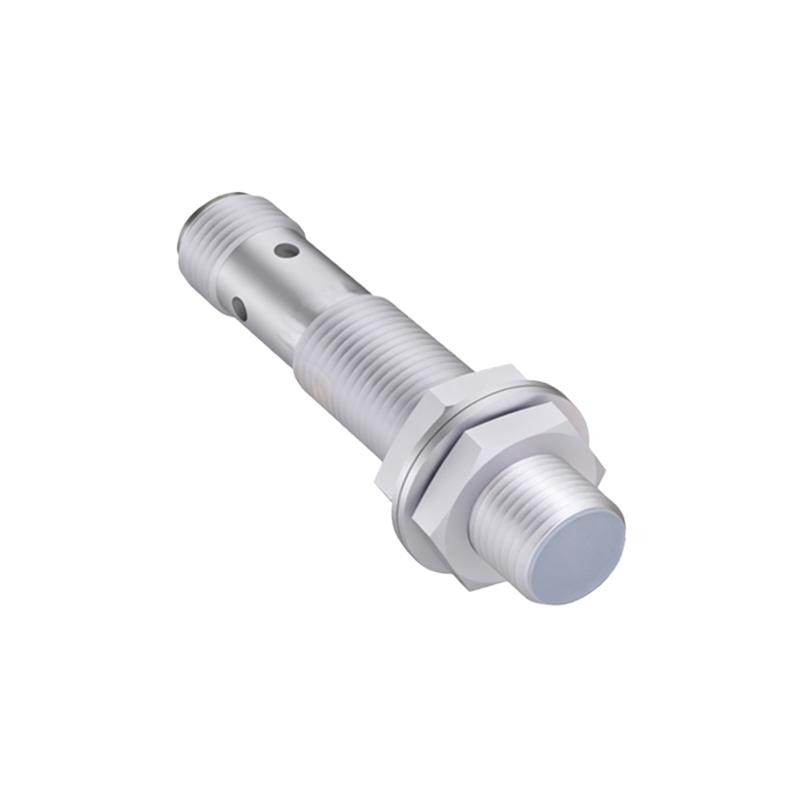
The selection and calibration of proximity sensors require careful consideration. Factors such as sensing range, response time, and environmental conditions (e.g., temperature, humidity, or electromagnetic interference) must be evaluated to ensure compatibility with the laser cutting environment. Modern sensors often feature robust designs with IP67 or higher ratings, making them resistant to dust, coolant splashes, and vibrations common in industrial settings. Additionally, advancements in smart sensor technology enable predictive maintenance, where sensors communicate data to control systems to anticipate failures before they occur, further boosting efficiency.
In practice, integrating proximity sensors involves collaboration between electrical engineers and mechanical designers. Proper placement is key—sensors must be positioned to avoid interference from the laser beam or debris while maintaining sensitivity. Wiring and connectivity should adhere to industry standards to prevent signal loss or noise. Regular testing and calibration are essential to uphold performance, as sensor drift over time can compromise accuracy. Many manufacturers now offer modular sensor systems that simplify installation and upgrades, allowing for scalability as production needs evolve.
Looking ahead, the evolution of proximity sensors continues to drive innovation in laser cutting. Emerging trends include the use of fiber-optic sensors for extreme environments and IoT-enabled sensors for real-time data analytics. These developments promise even greater precision, faster response times, and enhanced connectivity within smart factory ecosystems. As laser cutting technology advances toward higher speeds and more complex materials, the role of proximity sensors will only grow in importance, solidifying their status as indispensable components in modern manufacturing.
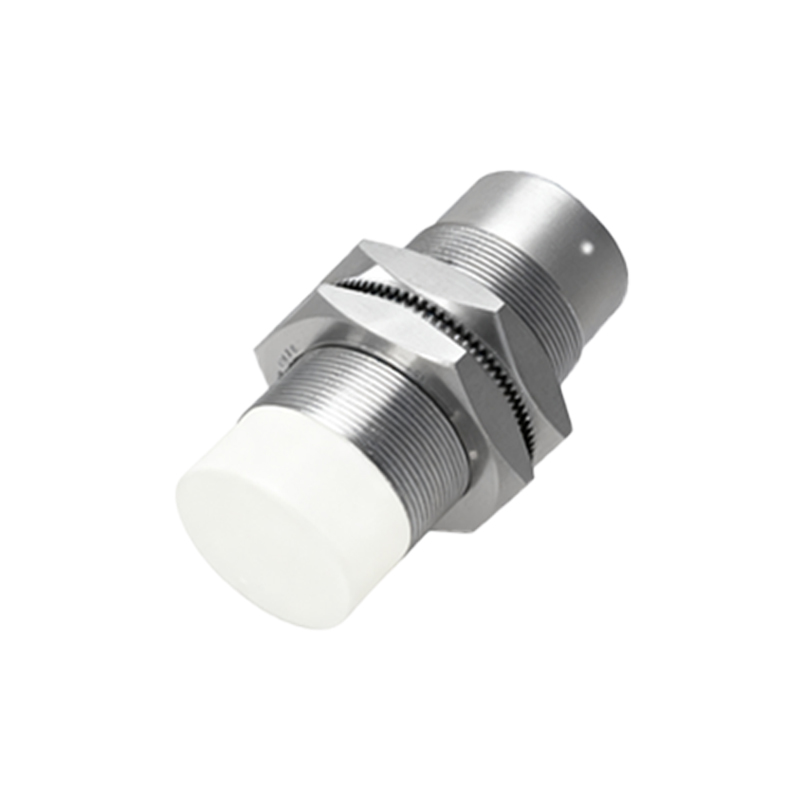
Ultimately, proximity sensors are more than mere accessories; they are integral to the synergy of speed, accuracy, and safety in laser cutting operations. By investing in high-quality sensors and proper integration, industries can achieve superior cut quality, reduce waste, and foster a safer workplace—key factors in maintaining competitiveness in today's fast-paced market.