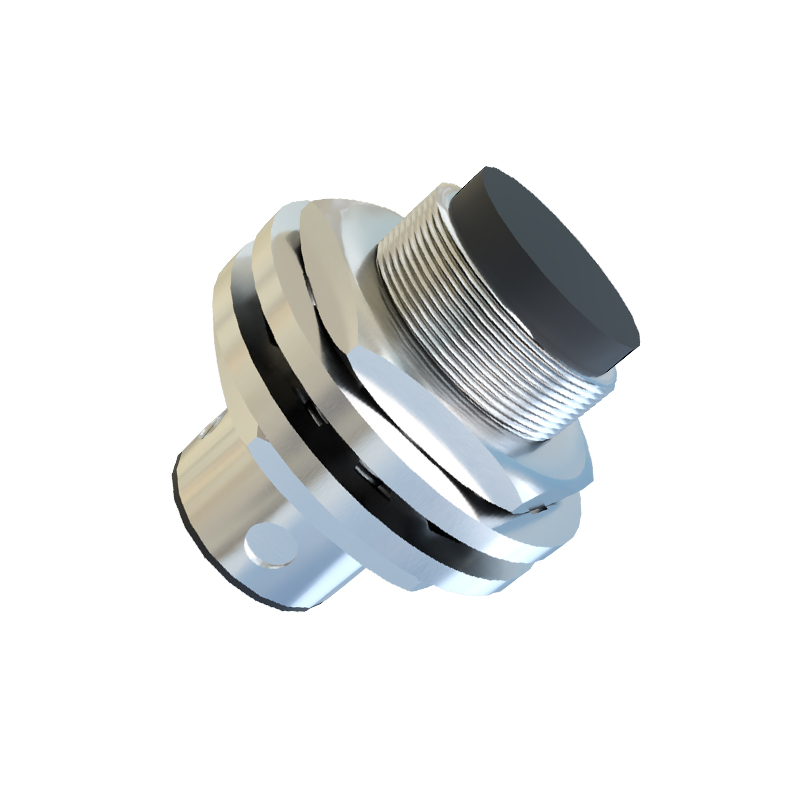
In the industrial automation and control sector, proximity switch sensors are indispensable components, widely used for detecting the presence or absence of objects without physical contact. As global supply chains become increasingly interconnected, the question of whether these sensors can be shipped by air frequently arises among engineers, procurement specialists, and logistics managers. The answer is generally yes, but it requires careful consideration of regulatory, technical, and practical factors to ensure safe and compliant transportation.
First, it is essential to understand the composition and classification of proximity switch sensors. These devices typically consist of a sensing element, housing, and electronic circuitry. Most proximity switches are non-hazardous under normal conditions, as they do not contain flammable materials, explosives, or significant quantities of dangerous substances. However, certain types may include batteries, magnetic components, or materials that could be subject to air transport regulations. For instance, sensors with built-in lithium batteries must comply with International Air Transport Association (IATA) Dangerous Goods Regulations (DGR), which classify lithium batteries as hazardous due to potential fire risks. In such cases, specific packaging, labeling, and documentation are mandatory.
From a regulatory perspective, air freight is governed by strict guidelines set by organizations like IATA and national aviation authorities. Proximity switch sensors are generally classified as general cargo, but shippers must verify if any components fall under hazardous material categories. Key steps include checking the Material Safety Data Sheet (MSDS) or product specifications for details on chemicals, batteries, or magnetic properties. Magnetic sensors, for example, might require special handling if they generate strong magnetic fields that could interfere with aircraft instruments. Proper shielding or declaration may be necessary to mitigate risks.
Packaging plays a critical role in air shipping. Proximity sensors are often sensitive to shock, vibration, and electrostatic discharge (ESD). To prevent damage during transit, robust packaging with cushioning materials like foam or bubble wrap is recommended. Anti-static measures should be implemented for electronic components to avoid static electricity buildup. Additionally, packages must be clearly labeled with handling instructions, such as "Fragile" or "This Side Up," to ensure careful treatment by logistics personnel. For sensors containing hazardous elements, compliant packaging certified by relevant standards (e.g., UN-certified boxes for batteries) is essential.
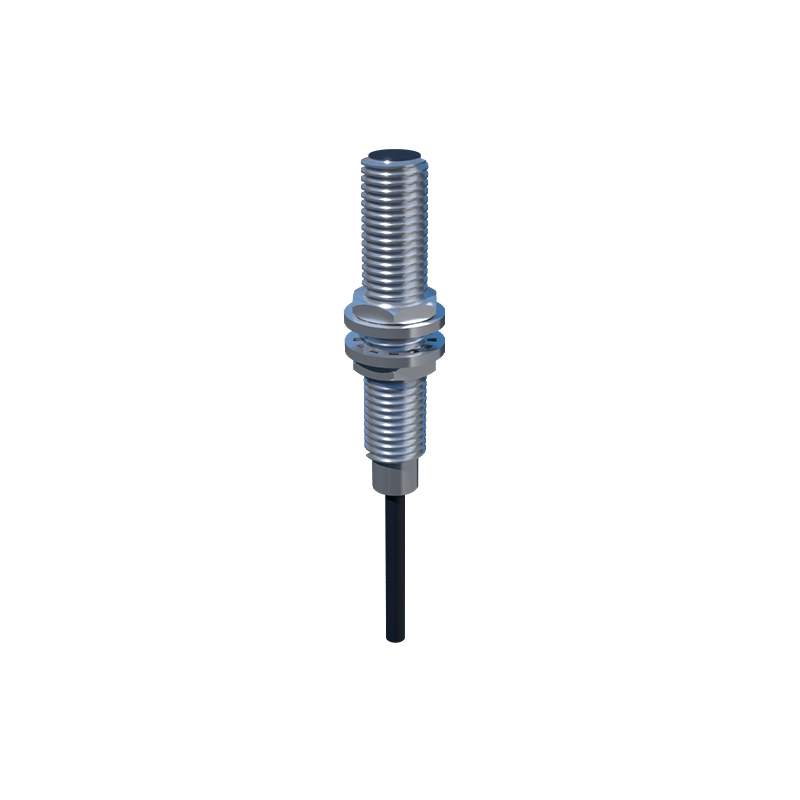
Documentation is another vital aspect. Air freight requires accurate shipping documents, including a commercial invoice, packing list, and airway bill. If the proximity switch sensors are classified as dangerous goods, a Shipper's Declaration for Dangerous Goods must be completed, detailing the nature of the hazard and compliance measures. Failure to provide correct documentation can lead to delays, fines, or rejection by airlines. It is advisable to work with experienced freight forwarders who specialize in industrial electronics to navigate these requirements efficiently.
Technical considerations also impact air transport. Proximity sensors may be affected by extreme temperature and pressure changes during flight. While most industrial-grade sensors are designed to withstand harsh environments, it is prudent to verify their operating and storage temperature ranges. For instance, sensors rated for -25°C to 70°C should generally tolerate typical cargo hold conditions, but prolonged exposure to high altitudes might necessitate additional protective measures. Consulting the manufacturer's guidelines can help assess suitability for air shipping.
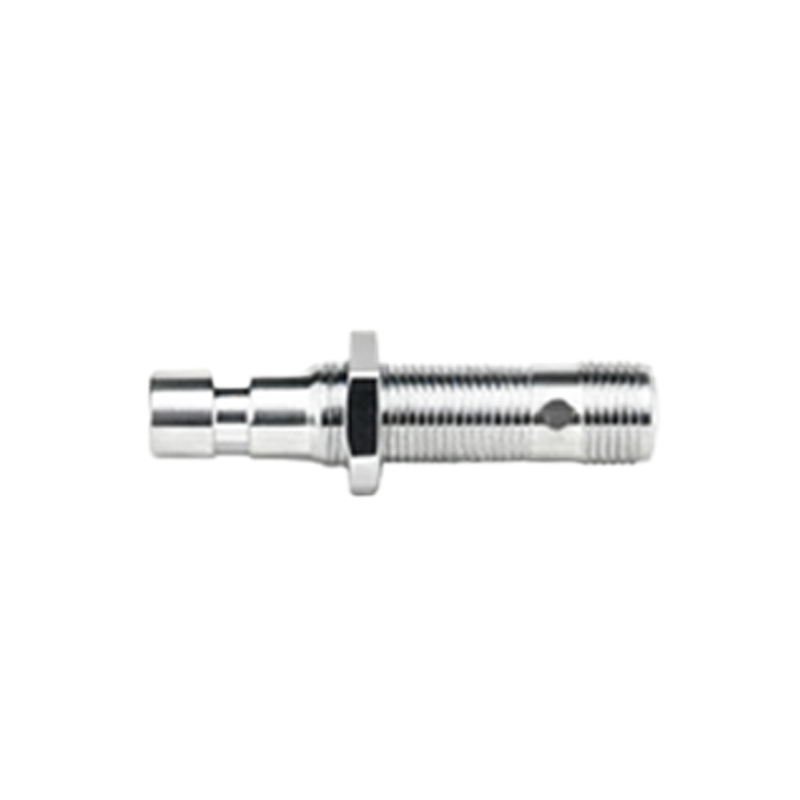
In practice, many companies successfully ship proximity switch sensors by air daily, leveraging its speed and reliability for urgent orders or international deliveries. However, cost is a factor to weigh; air freight is typically more expensive than sea or land transport, so it may not be economical for bulk shipments unless time-sensitive. Alternatives like expedited ground services might be considered for domestic logistics.
To summarize, proximity switch sensors can be shipped by air, provided that shippers adhere to regulatory standards, use appropriate packaging, and complete thorough documentation. By assessing the sensor's specifications, consulting with logistics experts, and following IATA guidelines, businesses can ensure safe and efficient air transportation. This approach minimizes risks and supports the seamless integration of these critical components into global automation systems, keeping industries running smoothly.