Proximity sensors are indispensable components in modern industrial automation and electronic systems. They detect the presence or absence of an object without physical contact, offering reliability, longevity, and precision. This article delves into the key aspects of proximity sensors, providing a comprehensive overview for engineers and industry professionals.
Firstly, the working principle of proximity sensors is based on changes in an electromagnetic field or beam. When a target object enters the sensor's detection range, it alters the field or interrupts the beam, triggering an output signal. This non-contact operation eliminates mechanical wear, making these sensors ideal for harsh environments with dust, moisture, or high temperatures.
Several types of proximity sensors are prevalent in the industry. Inductive proximity sensors are widely used for detecting metallic objects. They generate an electromagnetic field and respond to eddy current losses in conductive materials. Common applications include position sensing in machinery, conveyor systems, and automotive assembly lines. Capacitive proximity sensors, on the other hand, can detect both metallic and non-metallic materials, such as liquids, plastics, or wood. They function by measuring changes in capacitance caused by the target's dielectric properties, making them suitable for level detection, material handling, and packaging industries. Ultrasonic proximity sensors utilize sound waves to measure distance or detect objects. They emit high-frequency sound pulses and calculate the time taken for the echo to return. These sensors are effective for transparent or irregularly shaped objects and are often employed in robotics, liquid level control, and parking assistance systems. Photoelectric sensors, which use light beams (infrared, laser, or visible light), are another major category. They can detect objects over longer distances and are versatile for applications like object counting, sorting, and security systems. Finally, magnetic proximity sensors, or reed switches, activate in the presence of a magnetic field, commonly used in safety interlocks and position sensing in clean environments.
Key performance parameters are critical when selecting a proximity sensor. Sensing range, or the maximum distance at which the sensor can reliably detect an object, varies by type and model. Response time indicates how quickly the sensor reacts to a target's presence, crucial for high-speed automation. Environmental factors, such as temperature extremes, chemical exposure, or electrical noise, must be considered to ensure durability. Output configurations, including NPN, PNP, analog, or IO-Link, interface with control systems like PLCs. Additionally, housing materials (e.g., stainless steel, plastic) and protection ratings (IP67, IP69K) determine suitability for specific industrial conditions.
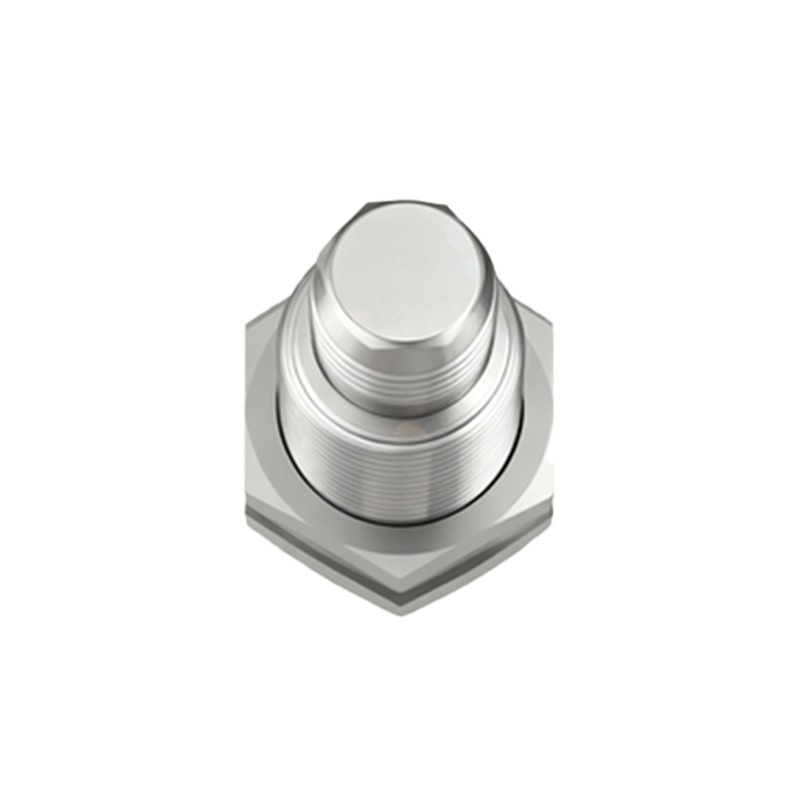
Applications span diverse sectors. In manufacturing, proximity sensors enable precise positioning, part verification, and automated assembly. The automotive industry relies on them for robotic welding, engine control, and safety features. Consumer electronics use miniature sensors for touchscreens and device activation. In logistics, they facilitate inventory management and automated guided vehicles (AGVs). Emerging trends include the integration of Industry 4.0 capabilities, such as smart sensors with diagnostic functions and wireless connectivity, enhancing predictive maintenance and data analytics.
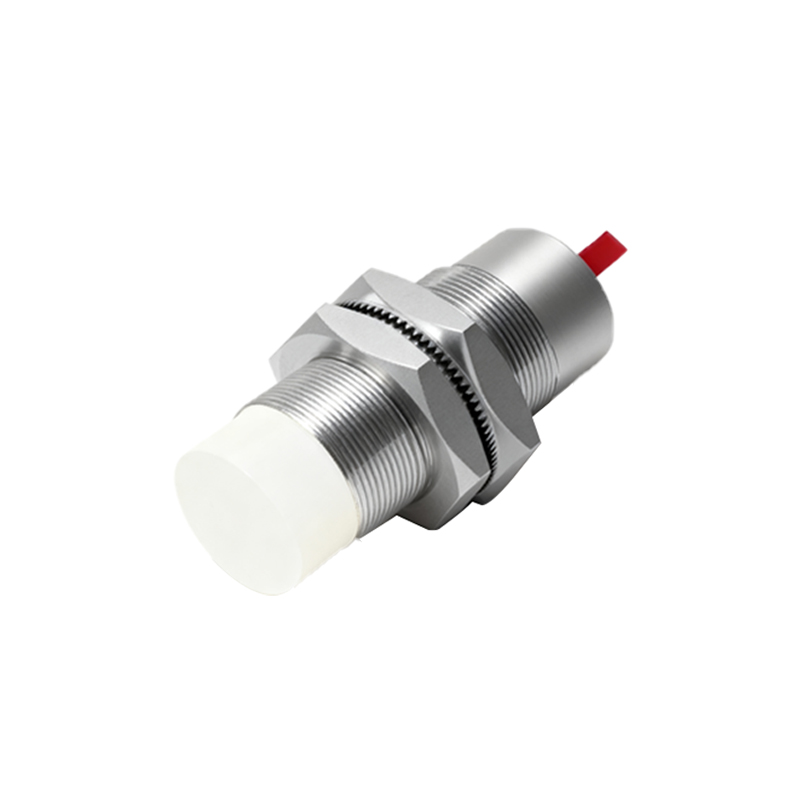
When integrating proximity sensors, proper installation and calibration are essential. Mounting alignment, shielding from interference, and regular maintenance prevent false triggers and ensure optimal performance. Engineers should consult datasheets for technical specifications and conduct testing in real-world conditions.
In summary, proximity sensors are vital for automation, offering contactless detection across various materials and environments. Understanding their types, principles, and selection criteria empowers professionals to implement efficient and reliable systems, driving innovation in industrial and technological applications.