Ultrasonic MS proximity sensors represent a cornerstone technology in modern industrial automation and process control. Operating on the principle of time-of-flight measurement, these sensors emit high-frequency sound waves, typically in the range of 200 kHz to 400 kHz, which are inaudible to the human ear. The sensor then listens for the echo reflected from a target object. By precisely calculating the time interval between the emission of the pulse and the reception of the echo, the sensor determines the distance to the object with remarkable accuracy. This non-contact measurement method offers significant advantages over traditional mechanical or optical sensors, particularly in challenging environments.
The core components of an ultrasonic MS sensor include a piezoelectric transducer for generating and receiving sound waves, sophisticated signal processing electronics, and a robust housing designed for industrial durability. The "MS" designation often refers to specific design features such as modular construction, enhanced sealing (e.g., IP67/IP69K ratings), or specialized output configurations. These sensors are largely immune to environmental factors that plague other technologies. They perform consistently regardless of target color, transparency, or surface texture—a common limitation of photoelectric sensors. Furthermore, they are unaffected by ambient light, dust, smoke, or fog, making them ideal for applications in washdown areas, outdoor settings, or dirty industrial halls.
A key operational advantage is their ability to detect a wide variety of materials, including liquids, granular solids, transparent films, and uneven surfaces. This versatility unlocks numerous applications across diverse sectors. In material handling and packaging, ultrasonic MS sensors reliably detect the presence of boxes, bottles, or rolls on conveyors, regardless of color or reflectivity. They are indispensable in level monitoring within silos or tanks, measuring the fill level of powders, grains, or aggressive liquids. In the automotive industry, they assist in robot guidance and assembly verification. Another growing application is in parking assistance systems and autonomous mobile robots (AMRs), where they provide robust object detection for collision avoidance.
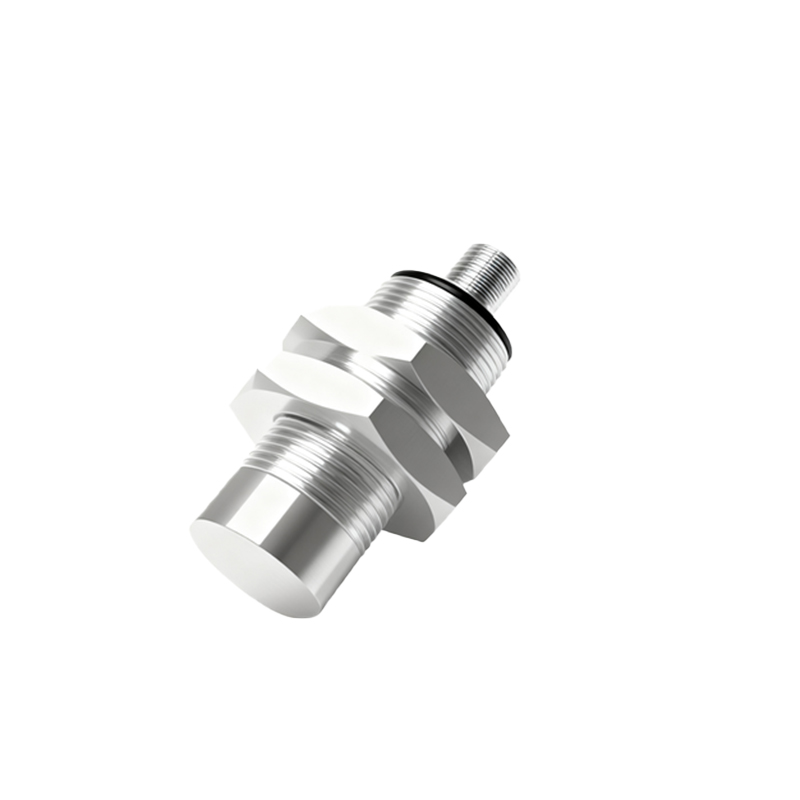
When selecting an ultrasonic MS proximity sensor for a specific application, several critical parameters must be evaluated. The sensing range is paramount; standard models may cover from a few centimeters up to several meters. The required resolution and repeatability will dictate the necessary precision of the device. The beam angle influences the detection zone; a narrow beam is suitable for precise detection of small objects, while a wider beam is better for general presence detection. Output options are also crucial, with choices including analog (4-20 mA, 0-10 V), discrete (PNP/NPN), or digital IO-Link outputs for advanced diagnostics and parameterization. Environmental ratings for temperature, pressure, and ingress protection must match the operating conditions. Finally, mounting considerations, such as threaded barrels or specific bracket types, and the availability of temperature compensation features for fluctuating environments are essential for reliable long-term integration.
Installation and commissioning require attention to detail. Mounting the sensor securely to minimize vibration is critical, as mechanical shock can affect readings. The sensing path should be clear of obstructions and potential false reflectors like beams or pipes. For liquid level sensing, careful consideration must be given to the mounting position relative to the tank structure to avoid interference from agitators or fill streams. Modern ultrasonic MS sensors with IO-Link capability offer tremendous benefits, allowing for remote configuration, continuous monitoring of signal strength, and predictive maintenance alerts, thereby reducing downtime.
In conclusion, ultrasonic MS proximity sensors offer a robust, versatile, and reliable solution for non-contact distance and presence sensing in demanding industrial applications. Their insensitivity to target properties and environmental disturbances makes them a superior choice where other technologies fail. By carefully considering the factors of range, precision, output, and environmental robustness, engineers can effectively integrate these sensors to enhance automation efficiency, ensure safety, and optimize processes. As Industry 4.0 advances, the integration of smart features like IO-Link will further solidify the role of ultrasonic sensing in connected, data-driven manufacturing ecosystems.