In the rapidly evolving landscape of electronic design, the integration of sophisticated sensing technologies has become paramount for enhancing user interaction, optimizing performance, and conserving energy. Among these, proximity and ambient light sensors (PALS) stand out as critical components in a wide array of devices, from smartphones and tablets to automotive systems and industrial automation. These sensors operate on fundamental optical principles, yet their implementation and impact are profoundly advanced.
A proximity sensor typically functions by emitting an infrared (IR) light beam and measuring the reflection from a nearby object. When an object enters a predefined range, the sensor detects the reflected IR signal, triggering a response. This simple mechanism is ingeniously applied to disable touchscreen displays during phone calls, preventing accidental inputs from cheek contact—a ubiquitous feature in modern smartphones. Beyond consumer electronics, proximity sensing is vital in automotive applications for gesture control and occupancy detection, and in industrial settings for object positioning and safety interlocks.
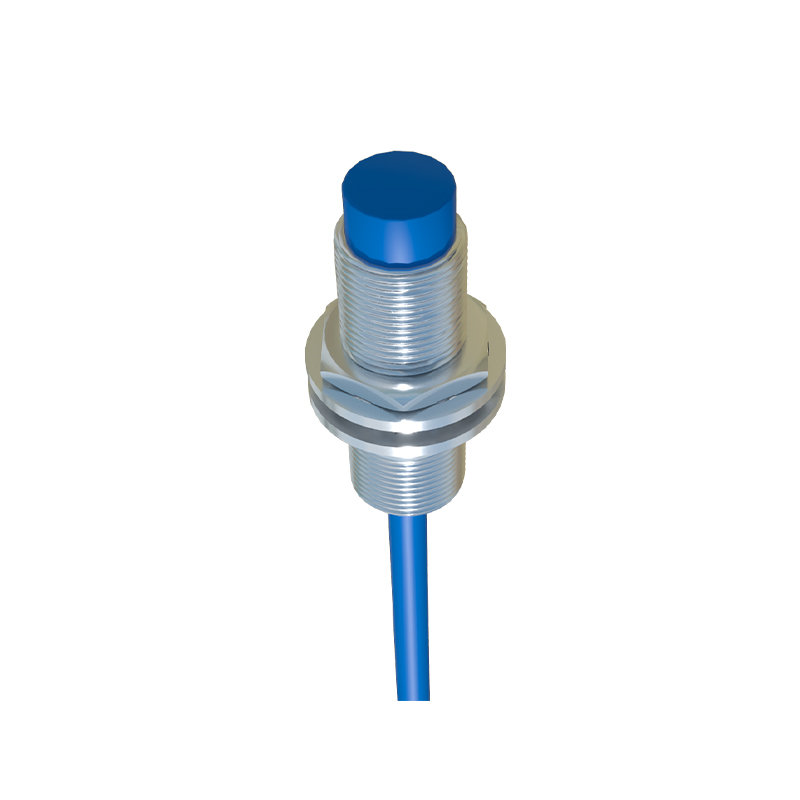
Ambient light sensors (ALS), on the other hand, measure the intensity of visible light in the environment. By detecting changes in illumination, these sensors enable automatic display brightness adjustment, a key feature for improving readability in varying light conditions while significantly reducing power consumption. In high-end devices, ALS data is often processed through advanced algorithms to provide seamless adaptation, enhancing user comfort and extending battery life. Furthermore, in smart lighting systems and IoT devices, ALS contributes to energy-efficient automation by modulating artificial light based on natural ambient levels.
The synergy between proximity and ambient light sensing is particularly notable in compact module designs, where both functions are combined into a single package. These integrated sensors, such as those using Inter-Integrated Circuit (I²C) or Serial Peripheral Interface (SPI) protocols, offer designers a streamlined solution for space-constrained applications. They provide digital output, reducing noise susceptibility and simplifying integration with microcontrollers. Key performance parameters include detection range (for proximity), illuminance measurement range (for ALS), response time, and power consumption. Modern variants also incorporate features like interrupt functionality to wake a host processor only when necessary, further optimizing energy usage.
From a technical standpoint, the selection of an appropriate sensor involves careful consideration of the application's specific requirements. For instance, in mobile devices, factors such as sensor accuracy under varying environmental conditions (e.g., sunlight interference for proximity sensors) and low-power operation are critical. In automotive interiors, sensors must meet stringent reliability and temperature tolerance standards. The optical design, including the placement of IR LEDs and photodiodes, along with the use of light guides or apertures, plays a crucial role in minimizing crosstalk and ensuring consistent performance.
Looking ahead, the evolution of proximity and ambient light sensors is closely tied to advancements in miniaturization, power efficiency, and intelligent processing. Emerging trends include the integration of these sensors with other sensing modalities (like time-of-flight or color sensing) to enable context-aware functionalities. Additionally, the adoption in wearable technology and augmented reality (AR) devices presents new challenges and opportunities, demanding higher precision and faster response times. As the Internet of Things (IoT) expands, these sensors will become even more pervasive, driving innovations in human-machine interaction and automated systems.
In conclusion, proximity and ambient light sensors are indispensable in modern electronics, offering a blend of simplicity in principle and complexity in application. Their continued development not only enhances device usability and efficiency but also paves the way for smarter, more responsive technological ecosystems. Engineers and designers must stay abreast of these advancements to leverage their full potential in creating the next generation of electronic products.