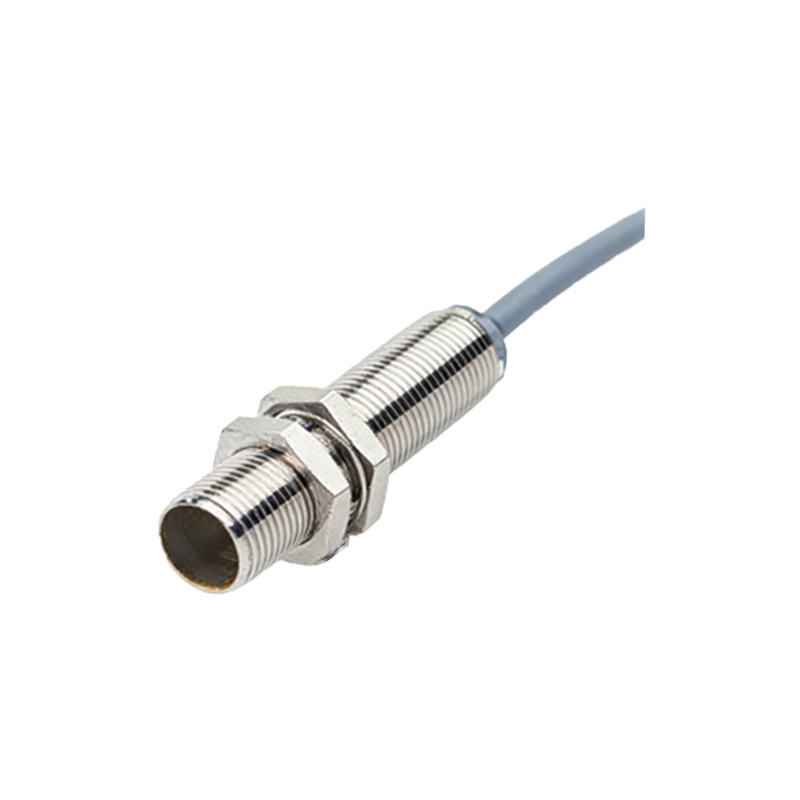
In the realm of industrial automation and control systems, proximity sensors stand as critical components for non-contact object detection. Among these, the LJ30 series of inductive proximity switches has established itself as a reliable and widely adopted solution. This article delves into the technical specifications, operational principles, and practical applications of the LJ30 proximity sensor, providing engineers and technicians with essential knowledge for effective implementation.
The LJ30 is typically an inductive proximity sensor. This type of sensor generates an electromagnetic field from its sensing face. When a metallic object enters this field, it induces eddy currents within the target, causing a change in the oscillation amplitude within the sensor's internal circuit. This change is detected and processed, leading to a switching action of the output signal. The "30" in its designation often refers to a standard sensing distance, commonly 30mm for steel (Fe360), though specific models may vary. It is crucial to consult the datasheet for the exact sensing distance (Sn) for different target materials, as factors like material type (steel, aluminum, brass), size, and shape significantly influence performance.
Key technical characteristics define the LJ30's suitability for harsh industrial environments. Most models feature a robust cylindrical housing, typically M30 x 1.5 threaded metal (stainless steel or nickel-plated brass), offering IP67 or higher ingress protection ratings. This makes them resistant to dust and temporary immersion, ideal for machining, material handling, and automotive assembly lines. The sensors are available in both shielded (flush-mountable) and unshielded (non-flush) versions. Shielded types can be mounted flush in metal without affecting their sensing range, while unshielded types offer a longer sensing range but require a non-metallic surrounding area.
Output configurations are another vital consideration. LJ30 sensors commonly come in three-wire DC configurations (PNP or NPN sourcing) and two-wire AC/DC versions. The PNP (sourcing) type switches the positive voltage to the load, while the NPN (sinking) type switches the negative or ground. The choice depends on the control system's PLC or controller input card requirements. Many modern LJ30 models also incorporate LED status indicators for easy diagnostics, showing power presence and output activation.
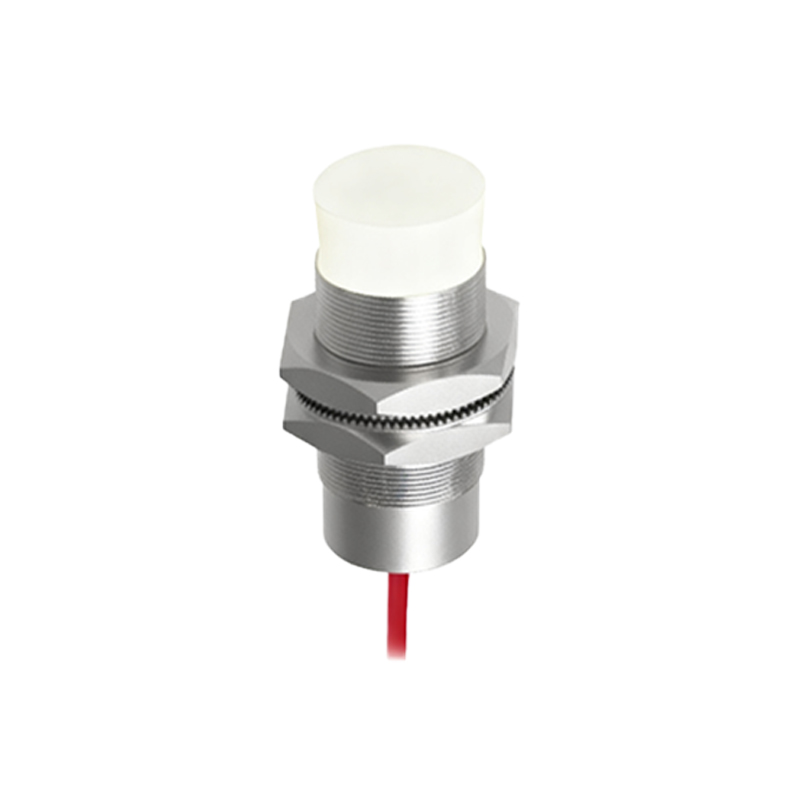
When selecting and installing an LJ30 sensor, several best practices ensure optimal performance and longevity. First, ensure the target material is ferrous or non-ferrous metal within the sensor's specified detection capabilities. Second, maintain the recommended mounting distances, especially for unshielded models, to prevent false triggering from the mounting nut or surrounding metal. Third, consider environmental factors such as temperature extremes, cutting fluids, or weld spatter; selecting a model with appropriate housing material and protection rating is paramount. For instance, in welding environments, models with weld-field immunity are necessary to prevent magnetic field interference.
Application scenarios for the LJ30 are vast. They are extensively used for position sensing in automated machinery, such as detecting the presence of a metal part on a conveyor, confirming the end-of-travel of a cylinder, or counting metallic objects. In robotic cells, they provide precise positioning feedback for grippers or tools. Their robustness also makes them perfect for heavy-duty applications in steel mills or foundries.
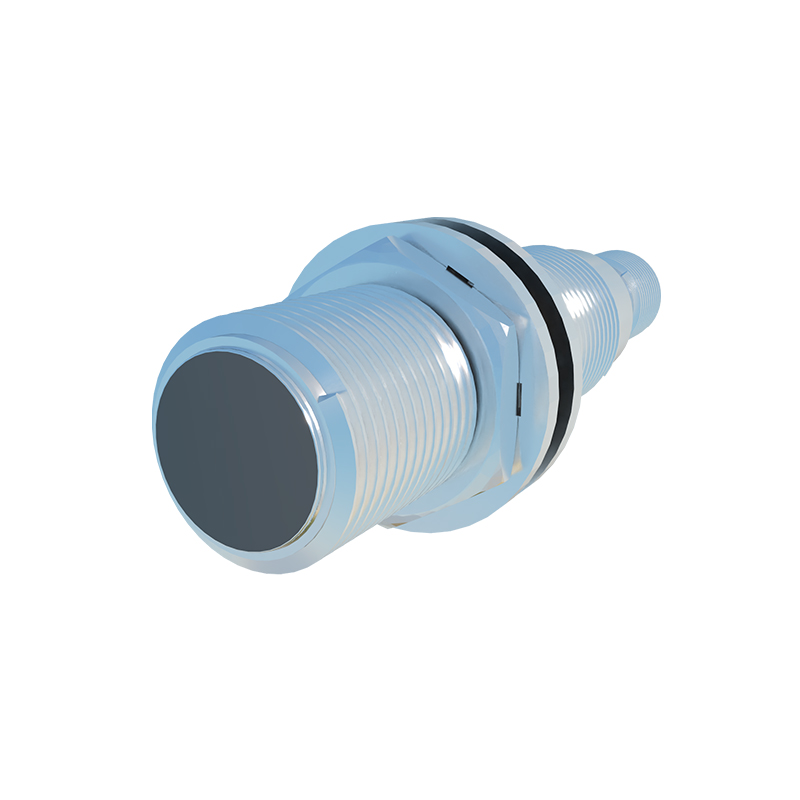
Troubleshooting common issues often involves checking a few key points: verifying the power supply voltage is within the sensor's operating range (e.g., 10-30V DC), ensuring correct wiring according to the datasheet diagram, confirming the target is within the sensing range and of adequate size, and inspecting the sensor face for contamination from metal chips or oil that could dampen the sensing field. Regular maintenance, primarily cleaning the sensing face, is a simple yet effective way to prevent failures.
In conclusion, the LJ30 proximity sensor represents a workhorse of industrial sensing. Its standardized design, proven reliability, and adaptability to diverse environments make it a cornerstone of modern automation. By understanding its operating principle, carefully selecting the correct model for the application, and adhering to proper installation guidelines, engineers can leverage the LJ30 to create robust, efficient, and fault-resistant control systems. As automation evolves, the fundamental role of such durable and precise sensors remains unchallenged, forming the essential sensory layer upon which smarter factories are built.