In the world of industrial automation and machine design, proximity sensors are indispensable components. Their ability to detect the presence or absence of an object without physical contact makes them critical for countless applications, from assembly lines and packaging machinery to robotics and safety systems. For engineers and procurement specialists, a common and crucial question arises: "How much do proximity sensors cost?" The answer, as with most industrial components, is not a simple flat rate. The price of a proximity sensor is influenced by a complex matrix of factors. This guide will dissect these variables to provide a clear understanding of the cost landscape, helping you make informed budgeting and specification decisions.
First and foremost, the underlying sensing technology is a primary cost driver. The most common types include Inductive, Capacitive, Ultrasonic, and Photoelectric sensors, each with distinct price points and applications.
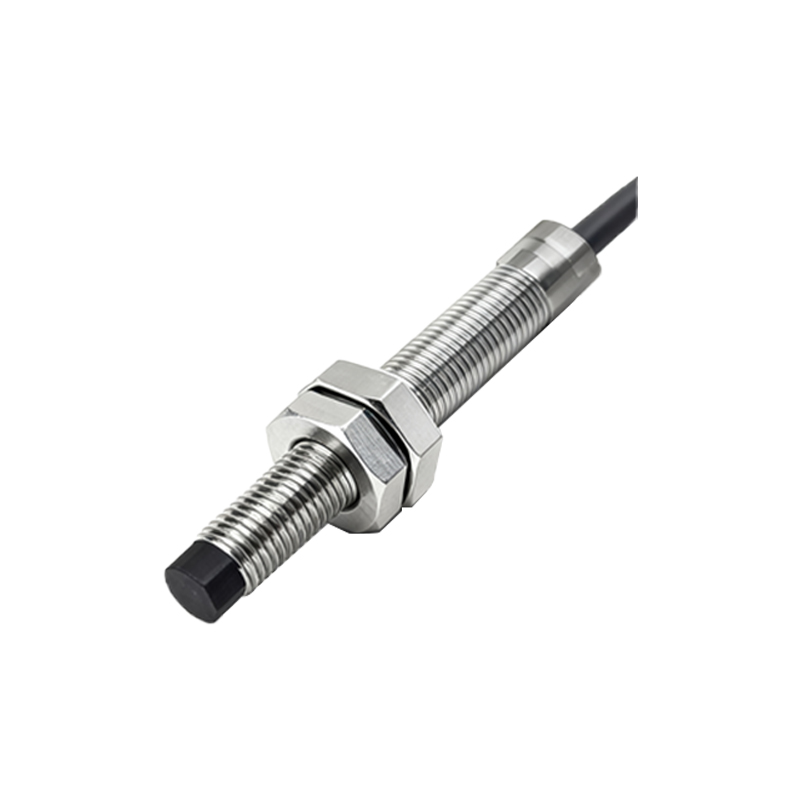
Inductive proximity sensors, used for detecting metallic objects, are generally the most cost-effective. Prices for standard cylindrical inductive sensors (e.g., M8, M12, M18, M30 threaded barrels) can start as low as $15 to $30 for basic, no-frills models from value-oriented brands. More robust models with extended sensing ranges, higher switching frequencies, or specialized housing materials (like stainless steel for washdown environments) can range from $40 to $100 or more.
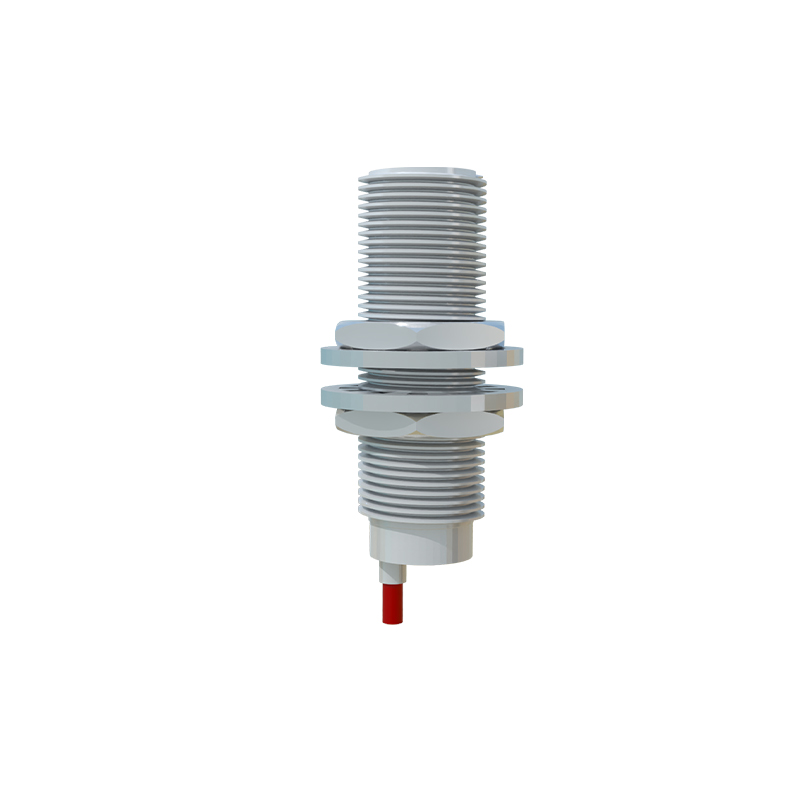
Capacitive sensors, capable of detecting both metallic and non-metallic materials (liquids, plastics, wood), typically carry a premium over inductive types. Entry-level models might begin around $30 to $50, with advanced versions featuring sensitivity adjustment and superior noise immunity reaching $80 to $150.
Photoelectric sensors, offering the longest sensing ranges and versatility in detecting various materials, present a wide price spectrum. Basic diffuse-reflective sensors can be found for $40 to $70. More sophisticated models—like retro-reflective, through-beam, or background suppression (BGS) types with precise focusing and programmable logic—can easily cost between $100 and $300. Laser-based photoelectric sensors for high-precision applications command even higher prices, often exceeding $500.
Ultrasonic sensors, ideal for distance measurement and level detection, are also on the higher end. Prices commonly range from $80 for basic models to over $400 for units with advanced analog output, temperature compensation, and robust housings.
Beyond the core technology, several specification factors significantly impact price:
Sensing Range: A sensor with a 20mm range will cost less than an equivalent model with a 40mm range.
Output Type: Simple two-wire AC/DC or three-wire NPN/PNP transistor outputs are standard. Sensors with analog outputs (4-20mA, 0-10V), IO-Link digital communication, or relay outputs add considerable cost, potentially doubling or tripling the base price.
Housing and Build Quality: A standard plastic or nickel-plated brass housing is economical. Sensors designed for harsh environments—featuring stainless steel (V4A/AISI 316L), high IP ratings (IP67, IP69K), and resistance to chemicals, oils, or extreme temperatures—are significantly more expensive.
Form Factor: Miniature sensors (e.g., M5, M8) often have a higher cost-per-unit due to manufacturing complexity compared to common M12 or M18 sizes.
Brand and Certification: Established global brands (e.g., Siemens, Omron, Pepperl+Fuchs, Sick, Balluff) command a premium due to proven reliability, extensive R&D, global support, and comprehensive certifications (UL, CE, ATEX for hazardous areas). Generic or lesser-known brands may offer similar specs at 20-40% lower cost, but with potential trade-offs in longevity, consistency, and technical support.
Features: Built-in diagnostics (LED indicators for signal strength), teach-in functionality, short-circuit protection, and extended operating temperature ranges all contribute to a higher unit price.
Considering the total cost of ownership is vital. A cheaper sensor that fails prematurely can cause costly production downtime. Investing in a more expensive, reliable sensor from a reputable supplier often proves more economical in the long run through reduced maintenance and higher system uptime.
For budgetary planning, here is a generalized price bracket (per unit, USD):
Economy/Basic: $15 - $50 (Simple inductive, basic photoelectric)
Mid-Range/Standard: $50 - $150 (Enhanced inductive/capacitive, standard photoelectric/ultrasonic)
High-End/Advanced: $150 - $500+ (Long-range, analog/IO-Link, hazardous area, laser, specialized materials)
In conclusion, while a standard inductive proximity sensor might cost around $30, a fully-fe