In the realm of industrial automation and control systems, selecting the right sensing technology is paramount for ensuring efficiency, reliability, and safety. Two of the most prevalent and often compared solutions are slot type (or through-beam) photoelectric sensors and proximity switches. While both serve the fundamental purpose of object detection, their operating principles, application suitability, and performance characteristics differ significantly. This article provides a detailed technical comparison to guide engineers and system integrators in making informed decisions.
Fundamental Operating Principles
The core distinction lies in their sensing methodology. A slot type photoelectric sensor is an optoelectronic device. It consists of a built-in transmitter (typically an LED) and receiver housed in a single U-shaped body, forming a "slot." The transmitter emits a beam of light—often infrared, red, or laser—across this gap to the opposing receiver. Detection occurs when an object physically interrupts this light beam. This "through-beam" principle within a compact housing makes it highly effective for precise detection.
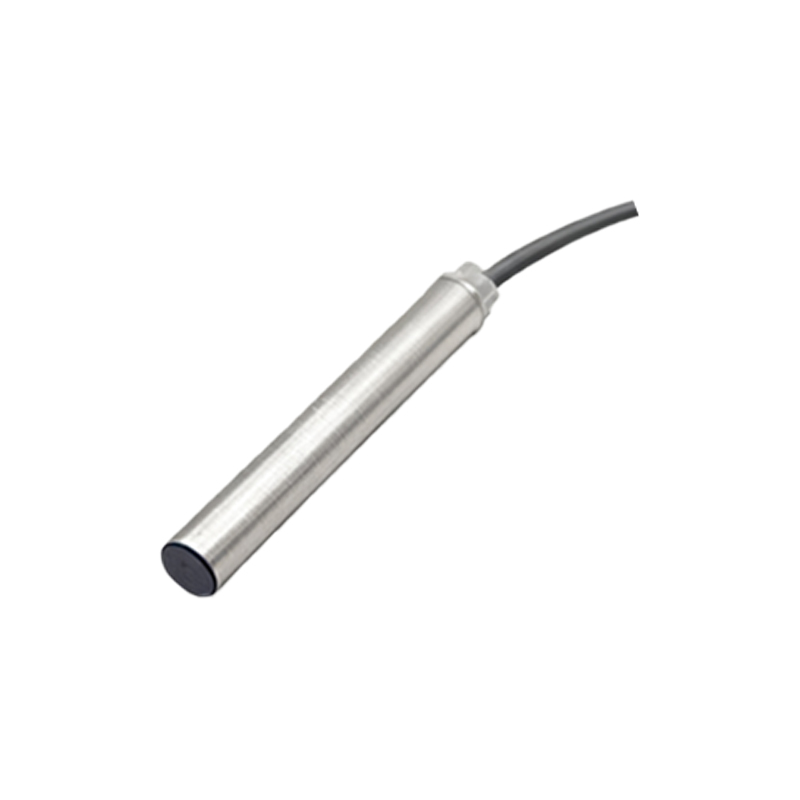
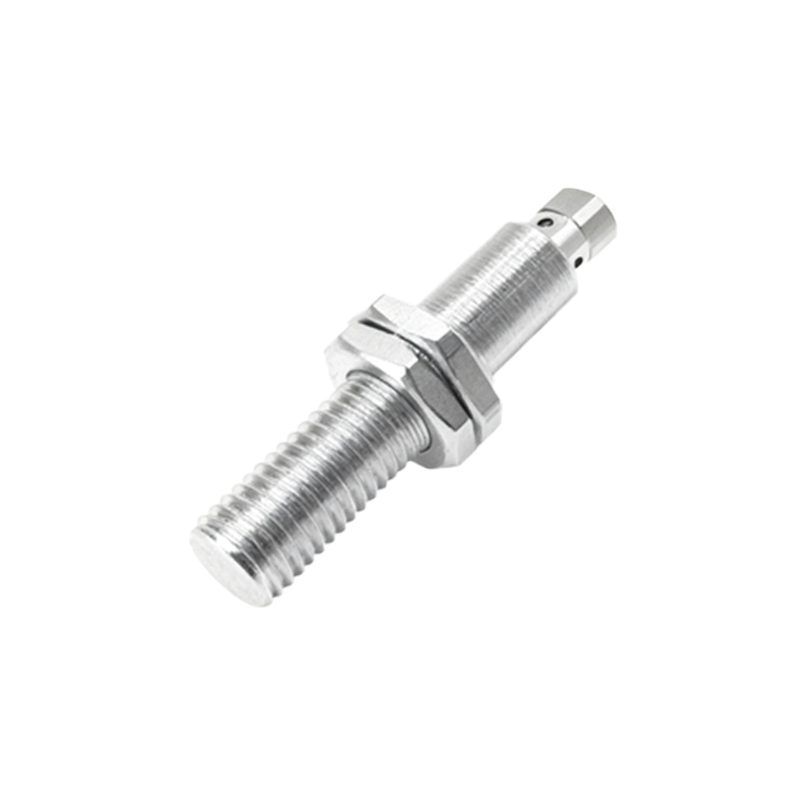
In contrast, a proximity switch (often an inductive or capacitive sensor) operates on a non-contact, field-based principle. Inductive proximity switches, the most common type for metal detection, generate an electromagnetic field. When a metallic object enters this field, it causes eddy currents that dampen the field's oscillation, triggering the sensor's output state change. Capacitive proximity switches can detect both metallic and non-metallic materials by sensing changes in capacitance caused by the presence of any object that alters the dielectric constant near the sensor's face.
Key Performance and Application Considerations
1. Sensing Object and Material:
Slot Sensor: Material-agnostic. It detects any opaque object capable of interrupting the light beam, including metal, plastic, wood, glass, and even translucent materials if the beam attenuation is sufficient. It is ideal for counting, verifying the presence of parts on a conveyor, or detecting labels and tabs.
Proximity Switch (Inductive): Exclusively for ferrous and non-ferrous metals. Its sensing distance is influenced by the target metal type. Ideal for detecting machine parts, pistons, or metal flags.
Proximity Switch (Capacitive): Can detect liquids, powders, plastics, and wood, in addition to metals. Used for level detection, material presence, or non-metallic object counting.
2. Sensing Distance and Precision:
Slot Sensor: Offers very high positional accuracy and repeatability. The sensing distance is fixed by the slot width, which is typically small (a few millimeters to several centimeters). It provides a precise "knife-edge" detection point.
Proximity Switch: Has a rated sensing distance (Sn) which is nominal and can be affected by target material, size, and temperature. Sensing is less precise at the limits of its range. Inductive sensors generally have shorter ranges than photoelectric options but are excellent for close-range, embedded detection.
3. Environmental Robustness:
Slot Sensor: Susceptible to interference from ambient light, dust, dirt, fog, or oil films that can scatter or block the light beam. While many models feature modulated light to combat ambient light and built-in contamination indicators, they require a relatively clean optical path. Sealed models (IP67/IP69K) are available for harsh washdown environments.
Proximity Switch: Highly robust in dirty, dusty, or humid conditions. Inductive sensors, in particular, are virtually immune to environmental contaminants like oil, chips, or coolant, as only the magnetic field is affected. They are the default choice for harsh machine tool or foundry applications.
4. Speed and Response Time:
Slot Sensor: Extremely fast response times (often in microseconds), suitable for high-speed counting and detection of very small objects moving at high velocity.
Proximity Switch: Also features very fast response times (micro to milliseconds), easily keeping pace with most industrial machinery cycles.
Selection Guidelines
Choose a Slot Type Photoelectric Sensor when:
Detecting non-metallic objects.
Requiring precise edge detection or verification of object shape/presence (e.g., verifying a bottle cap is present).
The application involves small parts or clear objects.
The environment is reasonably clean or the sensor can be adequately protected.
Choose an Inductive Proximity Switch when:
The target is metallic.
The environment is laden with dust, oil, or moisture.
A compact, flush-mountable sensor is needed for embedded installation.
Cost-effectiveness for metal detection is a priority.
Choose a Capacitive Proxim