In the realm of industrial automation and machine safety, proximity sensors play a pivotal role in non-contact detection and positioning. Among these, the photoelectric proximity sensor with a 300mm (approximately 12 inches) sensing range represents a significant category, offering a balanced solution for medium-range applications. This article delves into the technical specifications, operational principles, and practical uses of such sensors, providing insights for engineers and system integrators.
The core technology behind a 300mm range photoelectric sensor typically involves modulated infrared light. Unlike simple on/off light beams, these sensors emit a pulsed infrared signal. The receiver is tuned to detect this specific modulation pattern, effectively filtering out ambient light interference from factory lighting or sunlight. This allows for reliable operation in challenging industrial environments. The 300mm range is often considered a sweet spot, providing sufficient distance for applications like material handling or conveyor monitoring without the complexity and cost associated with ultra-long-range sensors.
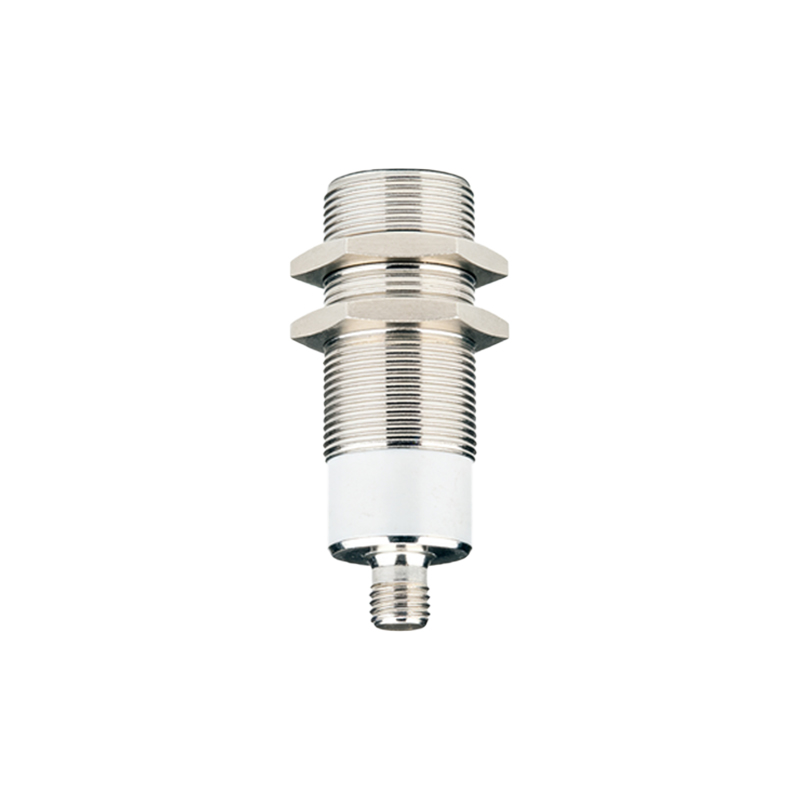
Key performance characteristics of a quality 300mm proximity sensor include its response time, repeat accuracy, and environmental robustness. A fast response time, often in the millisecond range, is crucial for high-speed production lines. Repeat accuracy ensures the sensor triggers consistently at the same detection point, which is vital for precise positioning tasks. Furthermore, these sensors are commonly housed in rugged enclosures rated at IP67 or higher, protecting them from dust, water jets, and mechanical impacts. Many models feature built-in diagnostics, such as a stability indicator LED, which signals the strength of the received signal, aiding in quick setup and troubleshooting.
The selection of sensing mode is another critical consideration. The 300mm range is commonly available in diffuse (reflective), retro-reflective, and through-beam (opposed) modes. The diffuse mode, where the sensor emits light and detects the reflection from the target object, is the most compact and easiest to install, as it requires only a single unit. However, its effective range can be influenced by the target's color and surface texture. Retro-reflective models use a dedicated reflector and offer a more stable sensing distance, while through-beam models, with separate emitter and receiver units, provide the highest reliability and longest potential range within the 300mm specification, as they are least affected by object surface properties.
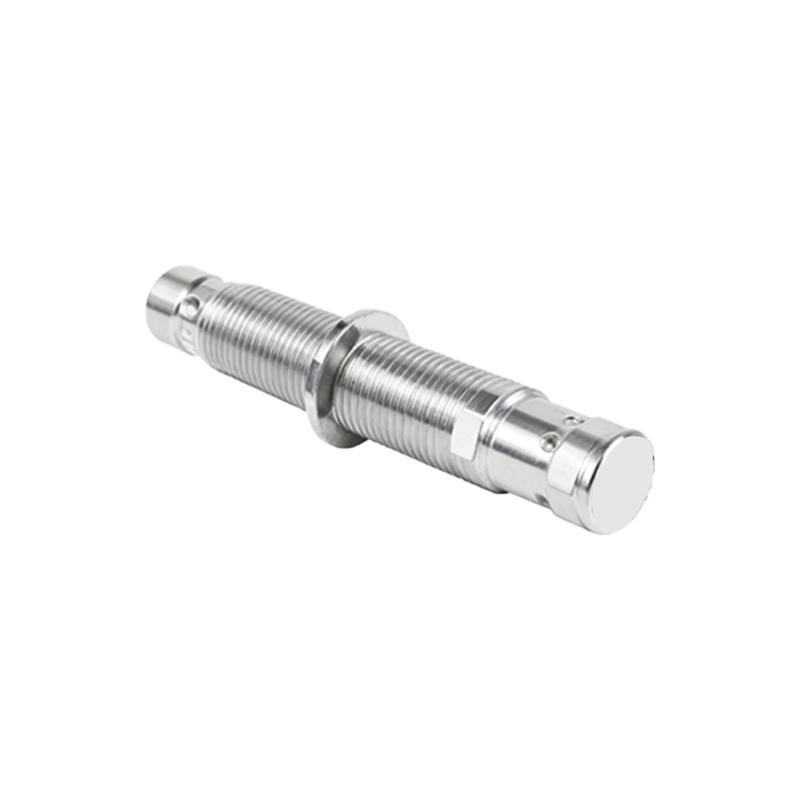
In practical applications, 300mm photoelectric sensors are ubiquitous. On packaging lines, they detect the presence of boxes on a conveyor, triggering the next operation like labeling or sorting. In automated storage and retrieval systems (AS/RS), they verify the position of pallets or totes. They are also employed in safety guarding applications to create a presence detection zone around machinery. A specific advantage of the 300mm distance is in applications involving large or irregularly shaped objects, where a generous sensing margin prevents false triggers and allows for variations in object placement.
When integrating a 300mm photoelectric sensor, engineers must account for several factors. The sensing range is typically specified for a standard white, matte target. Dark or shiny objects may reduce the effective range, so consulting the sensor's data sheet for reduction factors is essential. The mounting position should avoid direct exposure to strong ambient light sources. Additionally, the choice of output type—PNP/NPN transistor, analog, or IO-Link—must align with the control system's requirements. IO-Link compatible sensors, in particular, are gaining traction as they enable digital parameter setting, remote monitoring, and advanced diagnostics, contributing to Industry 4.0 initiatives.
Maintenance is generally minimal but important. Keeping the lens clean from dust, oil, or debris ensures optimal performance. Regular functional checks should be part of the preventative maintenance schedule. The longevity of these solid-state devices is typically high, but environmental factors like extreme temperatures or chemical exposure should be considered during selection.
In conclusion, the photoelectric proximity sensor with a 300mm sensing range is a versatile and reliable workhorse in industrial automation. Its design balances sufficient reach for many common tasks with robustness and precision. By understanding its operating principles, key specifications, and application nuances, engineers can effectively deploy these sensors to enhance productivity, ensure safety, and build more intelligent and responsive manufacturing systems. As technology evolves, features like background suppression for precise range gating and enhanced connectivity will continue to expand the capabilities of this essential industrial component.