In the industrial automation and control landscape, proximity sensors are indispensable components, acting as the silent sentinels that enable precise, non-contact detection of objects. For engineers, procurement specialists, and system integrators, understanding the pricing of high-quality proximity sensors is not merely about comparing sticker prices. It involves a nuanced evaluation of value, performance, and total cost of ownership. This guide delves into the key factors influencing the cost of premium proximity sensors and provides a framework for making informed purchasing decisions.
The term "high-quality" in proximity sensors encompasses several critical attributes that directly impact price. First and foremost is sensing technology. Inductive sensors, used for detecting metals, vary in cost based on factors like sensing range, switching frequency, and housing material. Capacitive sensors, capable of detecting both metallic and non-metallic materials, often command a higher price due to their more complex circuitry and calibration requirements. Ultrasonic and photoelectric sensors represent higher price tiers, justified by their longer ranges and ability to handle challenging environmental conditions like dust, mist, or varying surface colors.
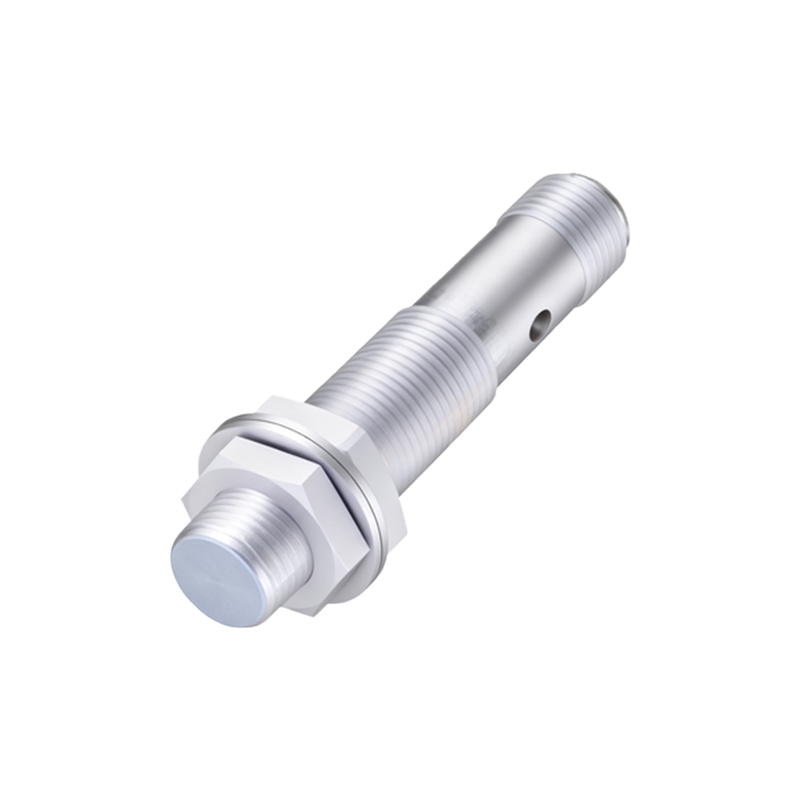
Build quality and durability are paramount cost drivers. A sensor designed for harsh environments—featuring stainless steel housings, high IP (Ingress Protection) ratings (e.g., IP67, IP69K), and resistance to chemicals, extreme temperatures, and mechanical shock—will inherently cost more than a standard plastic-housed unit. This investment, however, pays dividends in reduced downtime and replacement costs. The internal electronics, including the oscillator, amplifier, and output stage, also differ. Premium sensors utilize higher-grade components and advanced ASICs (Application-Specific Integrated Circuits) that ensure stability, noise immunity, and longevity, contributing to a higher initial price.
Performance specifications are a direct line-item on the price tag. Key metrics include:
Sensing Distance: A sensor with a 15mm range will typically cost less than an equivalent one with a 30mm range.
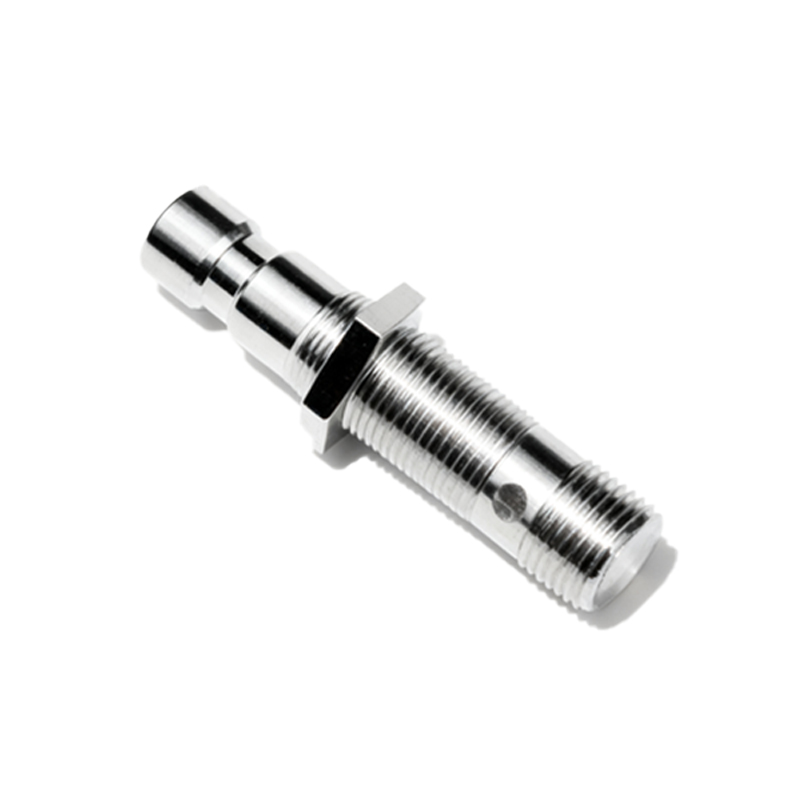
Repeatability: Tighter tolerance in the switching point (e.g., ±1% vs. ±5% of sensing distance) increases manufacturing precision and cost.
Response Time: Faster switching speeds (in microseconds) are crucial for high-speed automation and require superior electronic design.
Output Type: Standard transistor outputs (PNP/NPN) are common. Analog outputs (4-20mA, 0-10V) or IO-Link digital communication interfaces add significant functionality and cost. IO-Link sensors, in particular, offer advanced diagnostics, parameterization, and process data, representing the premium end of the market.
Brand reputation and support constitute a significant portion of the value equation. Established manufacturers like Siemens, Pepperl+Fuchs, Omron, Balluff, and IFM Electronic invest heavily in research and development, rigorous testing, and global technical support. Their sensors often come with extensive certifications (UL, CSA, ATEX for hazardous areas) and longer warranties. This ecosystem of reliability and support justifies a price premium over lesser-known or generic brands, where long-term performance and availability may be uncertain.
When evaluating price, adopt a Total Cost of Ownership (TCO) perspective. The initial purchase price is just one component. Consider:
1. Installation & Integration: Does the sensor have standardized mounting (e.g., M8, M12 connectors) for easy setup? Complex wiring adds labor cost.
2. Calibration & Maintenance: High-quality sensors often require less frequent calibration and are less prone to drift.
3. Downtime Costs: A sensor failure can halt an entire production line. The cost of one hour of unplanned downtime can far exceed the price difference between a budget and a premium sensor.
4. Lifecycle & Availability: Premium brands typically guarantee longer product lifecycle and stable supply chains, protecting your investment in spare parts.
In conclusion, the pricing of a high-quality proximity sensor is a reflection of its technology, robustness, precision, and the support behind it. While entry-level sensors may suffice for simple, non-critical applications, demanding industrial environments necessitate an investment in proven, reliable technology. The most cost-effective sensor is not the cheapest one you can buy, but the one that delivers unwavering performance over its entire service life, minimizing risk and maximizing operational efficiency. Always consult detailed datasheets, request samples for testing in your specific application, and partner with reputable distributors who can provide expert guidance tailored to your technical and budgetary requirements.