In the rapidly evolving landscape of industrial automation, the demand for reliable, high-performance sensing solutions has never been greater. Among the most critical components in this domain are proximity sensors, which detect the presence or absence of objects without physical contact. While standard proximity sensors are ubiquitous, the advent of ultra-long range proximity sensors represents a paradigm shift, offering unprecedented capabilities for large-scale and complex applications. This article delves into the technology, applications, and benefits of these advanced sensors, tailored for electrical engineers and industry professionals.
Ultra-long range proximity sensors are designed to detect objects at distances significantly beyond those of conventional inductive, capacitive, or photoelectric sensors. Typically, these sensors can operate effectively over ranges from several meters to over tens of meters, depending on the technology employed. The core technologies enabling such extended ranges include advanced laser-based systems, high-frequency radar (often in the millimeter-wave spectrum), and enhanced ultrasonic sensors. Each technology has its unique advantages. Laser sensors, for instance, offer exceptional precision and can detect small objects at great distances, making them ideal for alignment and positioning tasks in manufacturing. Radar-based sensors excel in challenging environmental conditions, such as dust, fog, or rain, where optical systems might falter. Ultrasonic sensors provide a cost-effective solution for general-purpose long-range detection, particularly in material handling and level monitoring.
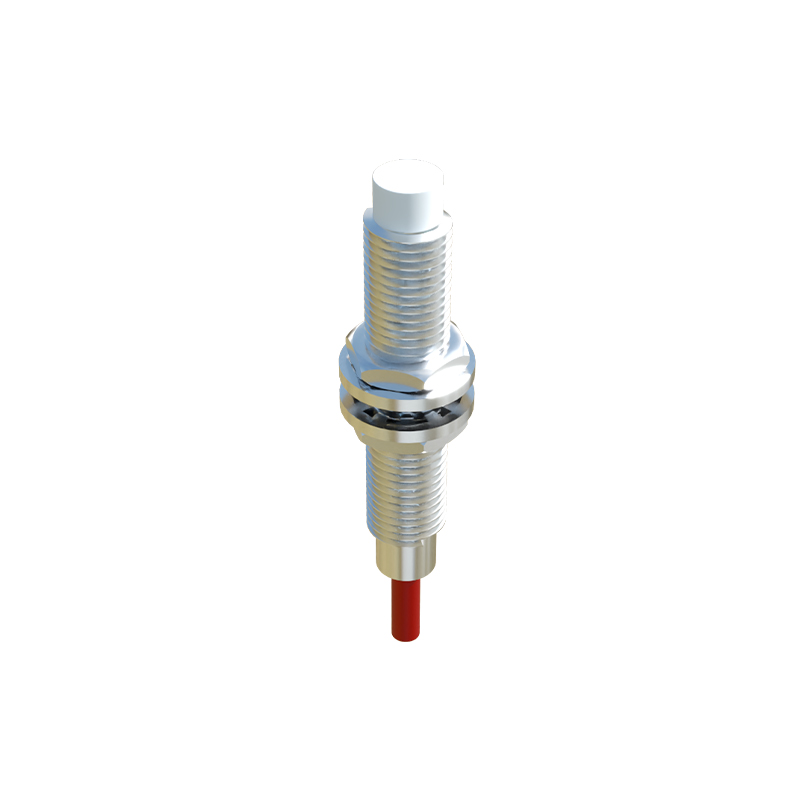
The operational principle of these sensors hinges on the emission of a signal—be it light, radio waves, or sound waves—and the analysis of the reflected signal. Sophisticated signal processing algorithms are employed to filter noise, compensate for environmental interferences, and accurately determine the distance to the target. Key performance parameters include sensing range, resolution, response time, and environmental robustness. For example, a state-of-the-art laser distance sensor might boast a range of up to 150 meters with sub-millimeter accuracy, while a 24 GHz radar sensor could reliably detect large objects up to 50 meters away in virtually any weather condition.
The applications of ultra-long range proximity sensors are vast and transformative. In industrial automation, they are pivotal for crane and hoist positioning in ports and warehouses, ensuring safe and efficient movement of containers. In the automotive industry, they facilitate automated guided vehicle (AGV) navigation and collision avoidance in large factory spaces. The energy sector leverages them for monitoring wind turbine blade clearance and perimeter security in solar farms. Furthermore, in agricultural automation, these sensors enable precise monitoring of equipment and inventory in expansive silos and fields. A notable case study involves a major logistics company that integrated long-range radar sensors into its automated storage and retrieval system (AS/RS), reducing collision incidents by over 70% and boosting throughput by 25%.
From an engineering perspective, integrating these sensors requires careful consideration. Factors such as power supply requirements (often 10-30V DC), output signals (analog 4-20mA, digital IO-Link, or Ethernet-based protocols like PROFINET), housing material (typically stainless steel or ruggedized plastics for IP67/IP69K ratings), and mounting configurations must be aligned with the application's demands. Calibration and alignment are crucial, especially for laser systems, to ensure optimal performance. Additionally, engineers must account for potential interference from other electromagnetic sources or reflective surfaces in the environment.
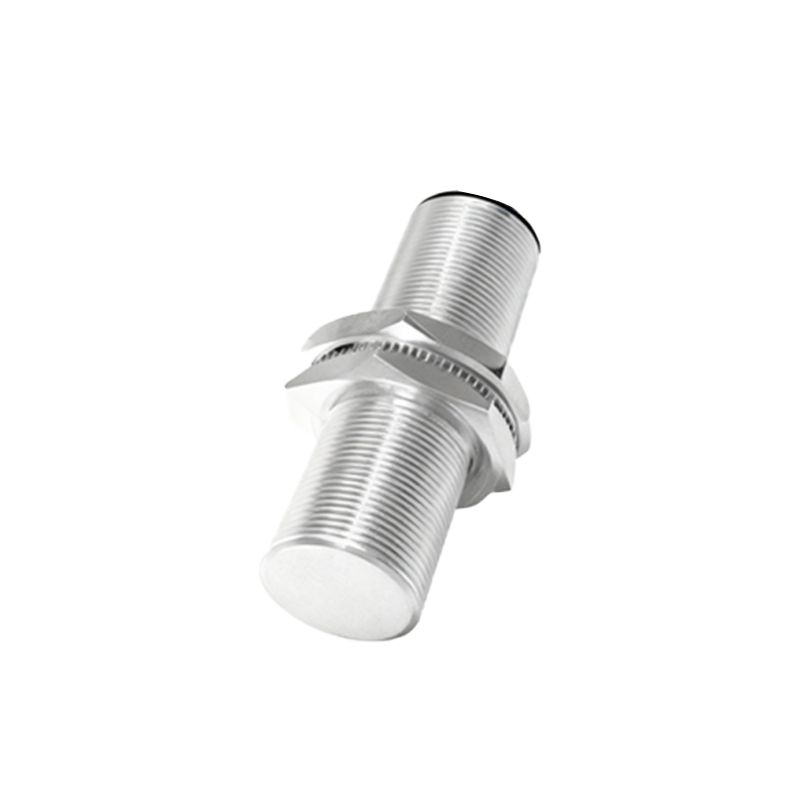
The benefits of adopting ultra-long range sensors are substantial. They enhance safety by enabling early detection of obstacles in large operational areas, thus preventing accidents. They improve operational efficiency by allowing for faster and more reliable process control over extended distances. Moreover, their durability and resistance to harsh conditions reduce maintenance costs and downtime. As Industry 4.0 and the Industrial Internet of Things (IIoT) continue to advance, these sensors are becoming integral to smart factory ecosystems, providing critical data for predictive maintenance and real-time analytics.
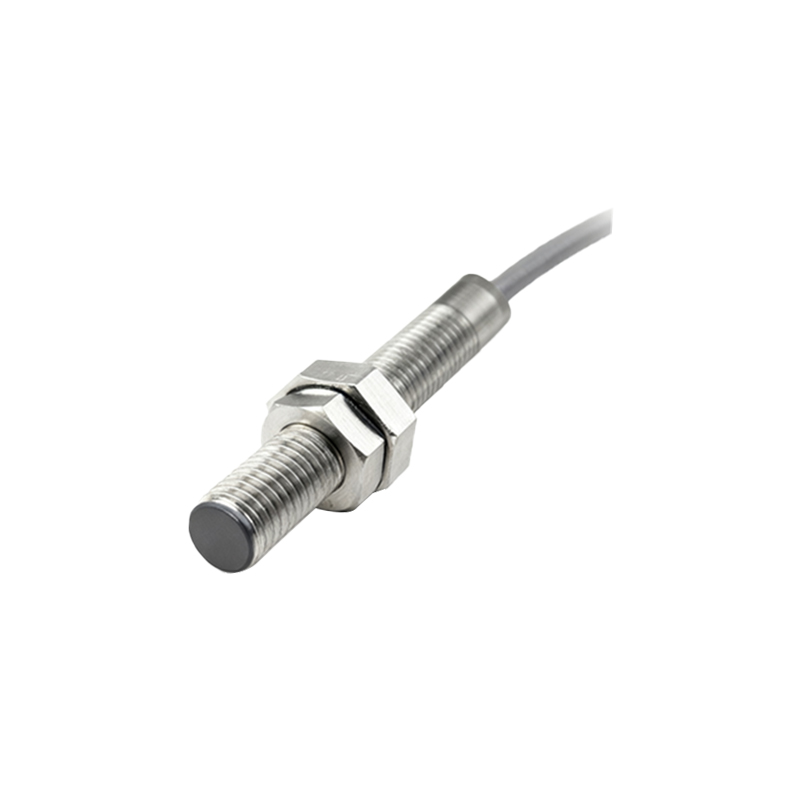
Looking ahead, the future of ultra-long range sensing is poised for further innovation. Trends include the miniaturization of radar chips, the integration of artificial intelligence for adaptive sensing, and the development of multi-technology fusion sensors that combine the strengths of laser, radar, and ultrasound. These advancements will unlock new possibilities in autonomous systems and large-scale industrial IoT deployments.
In conclusion, ultra-long range proximity sensors are not merely incremental improvements but foundational technologies driving the next wave of industrial automation. For electrical engineers and system designers, understanding their capabilities and implementation strategies is essential for building safer, smarter, and more efficient industrial environments. By leveraging these advanced sensing solutions, industries can overcome traditional spatial limitations and achieve new levels of productivity and safety.