In the realm of industrial safety and environmental monitoring, the evolution of gas detection technology has been pivotal. Among the most significant advancements is the development and deployment of laser methane detection sensors. These sophisticated devices represent a paradigm shift from traditional catalytic bead or electrochemical sensors, offering unparalleled precision, reliability, and operational efficiency.
The core technology behind these sensors is Tunable Diode Laser Absorption Spectroscopy (TDLAS). This method operates on a fundamental principle: molecules of specific gases, such as methane (CH4), absorb light at unique wavelengths. A laser within the sensor is precisely tuned to one of these characteristic absorption lines for methane, typically in the near-infrared spectrum. The sensor emits a modulated laser beam across an open path or into a measurement chamber. As the beam encounters methane molecules, a portion of the light is absorbed. A photodetector then measures the intensity of the transmitted or reflected light. The degree of attenuation is directly proportional to the concentration of methane present along the beam's path. This spectroscopic approach is inherently selective, meaning it is highly resistant to false alarms from other gases, a common challenge with older sensor technologies.
The advantages of laser-based methane detection are substantial and multifaceted. Firstly, they offer exceptional sensitivity and can detect methane leaks at parts-per-million (ppm) levels from a considerable distance, sometimes up to hundreds of meters. This allows for remote monitoring of large facilities like wellheads, compressor stations, LNG terminals, and sprawling pipeline networks without the need for personnel to enter potentially hazardous areas. Secondly, their response time is extremely fast, often in the range of seconds, enabling rapid leak identification and intervention. Thirdly, they require minimal maintenance. Unlike sensors that consume chemicals or have elements that degrade over time, laser sensors have no moving parts and are not subject to "poisoning" or saturation, leading to a longer operational lifespan and reduced total cost of ownership. Furthermore, their operation is not adversely affected by oxygen-deficient or inert atmospheres, making them suitable for a wider range of applications.
The applications of laser methane detection sensors are diverse and critical across several industries. In the oil and gas sector, they are indispensable for upstream exploration, midstream transportation, and downstream refining, providing continuous monitoring for fugitive emissions at flanges, valves, and tanks. The utility industry relies on them for surveying natural gas distribution pipelines in urban and rural settings, often using vehicle-mounted or handheld units for routine patrols. In coal mining, they enhance safety by monitoring for methane accumulation in shafts and tunnels. Waste management facilities, such as landfills and wastewater treatment plants, use these sensors to track methane generation, a key biogas component, for both safety and energy recovery purposes. Increasingly, they are also deployed in scientific research for atmospheric studies and in agricultural settings to monitor emissions from livestock operations.
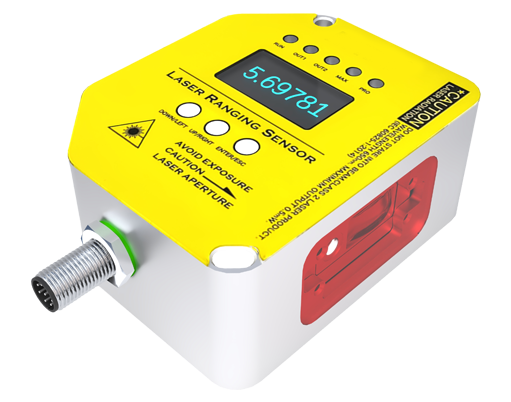
Modern implementations often integrate these sensors into broader Internet of Things (IoT) ecosystems. They can be part of fixed networks providing real-time, 24/7 coverage of an asset, or mounted on drones and autonomous robots for inspecting hard-to-reach infrastructure. The data collected is transmitted wirelessly to central control rooms, where analytics software can pinpoint leak locations, estimate emission rates, and trigger automated alerts, forming a powerful tool for regulatory compliance and environmental stewardship.
Despite their superior performance, considerations remain. Factors such as heavy rain, fog, or dust can attenuate the laser beam and affect performance, though advanced signal processing algorithms help mitigate these interferences. Initial capital investment is typically higher than for conventional sensors, but this is offset by lower long-term maintenance costs and the prevention of costly incidents. Proper optical alignment and calibration are also crucial for optimal accuracy.

In conclusion, laser methane detection sensors have established themselves as a cornerstone technology for modern gas detection. By leveraging the precise science of laser spectroscopy, they deliver a level of safety, efficiency, and environmental protection that was previously unattainable. As industries worldwide face increasing pressure to enhance operational safety and reduce greenhouse gas emissions, the role of these advanced sensors will only continue to grow, driving innovation and setting new standards for responsible industrial practice.