In industrial automation and control systems, proximity sensors are indispensable components for non-contact detection of objects. Among the various configurations, the 3-wire Normally Open (NO) proximity sensor stands out for its reliability and straightforward integration. This article delves into the operational principles, wiring methodologies, practical applications, and key selection criteria for this prevalent sensor type.
At its core, a 3-wire NO proximity sensor detects the presence or absence of a metallic (or sometimes non-metallic) target without physical contact. The "Normally Open" designation indicates that in its default state—when no target is within its sensing range—the sensor's output switch is open, meaning no current flows through the output circuit. When a target enters the predefined sensing distance, the internal electronic switch closes, allowing current to flow and signaling the detection event to the connected controller, typically a Programmable Logic Controller (PLC).
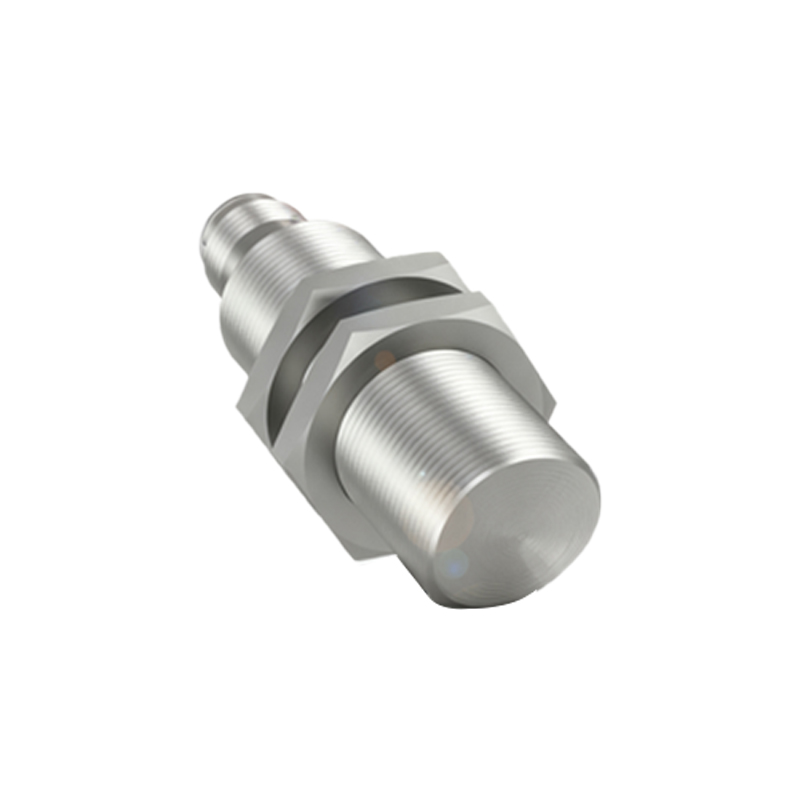
The "3-wire" configuration is fundamental to its operation and wiring. These three wires are universally color-coded for ease of installation:
Brown Wire: This is the positive supply voltage line (+V). It must be connected to the DC power source's positive terminal. Common operating voltages are 10-30V DC.
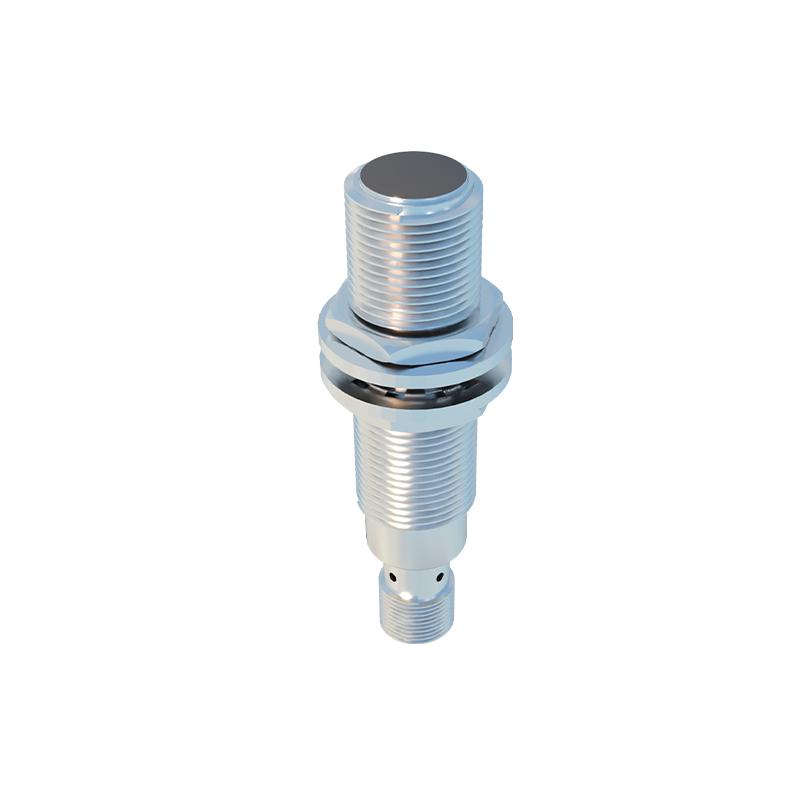
Blue Wire: This is the negative supply voltage line (0V or Common). It must be connected to the DC power source's negative terminal and serves as the circuit's common reference.
Black Wire: This is the output signal line. For a Normally Open (NO) sensor, this wire will have voltage present (matching the supply voltage) only when a target is detected, effectively "switching" the voltage to the load.
There are two primary output types for these DC sensors: NPN (sinking) and PNP (sourcing). This distinction is critical for proper system integration. A 3-wire NO PNP sensor sources current from the positive supply through the black output wire to the load. Conversely, a 3-wire NO NPN sensor sinks current from the load into the sensor's output, directing it to the common negative. The choice between PNP and NPN must align with the input requirements of the connected control device.
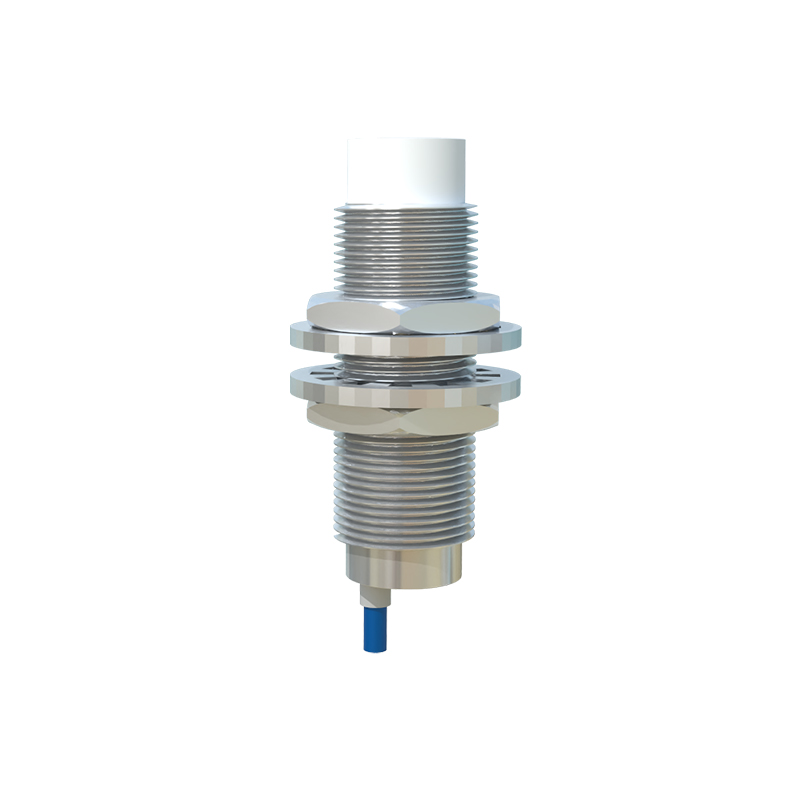
Wiring a 3-wire NO sensor is a systematic process. First, verify the sensor's specifications, including voltage range, output type (PNP/NPN), and sensing distance. Connect the brown wire to the positive DC supply and the blue wire to the negative DC supply. The black output wire is then connected to the input terminal of your control device (e.g., PLC digital input). A critical best practice is to always implement a protective fuse in the supply line and, in electrically noisy environments, use shielded cable, grounding the shield at the controller end only.
The applications for 3-wire NO proximity sensors are vast across manufacturing, packaging, material handling, and automotive industries. They are commonly used for:
Position Verification: Confirming a part is in place before a machining operation.
Count and Object Detection: Tracking items on a conveyor belt.
End-of-Travel Limit Sensing: Detecting the fully extended or retracted position of a cylinder or actuator.
Speed Monitoring: Used in conjunction with a gear tooth or encoder disk.
When selecting a 3-wire NO proximity sensor for a project, engineers must consider several parameters beyond just the NO function. The sensing distance, often rated as "nominal" or "operating," should have a 10-20% safety margin from the actual application distance. The target material (steel, aluminum, brass) affects the effective sensing range. Environmental factors are paramount; sensors are rated with Ingress Protection (IP) codes (e.g., IP67 for dust-tight and temporary immersion) and must withstand ambient temperature, humidity, and potential exposure to oils or coolants. For high-speed applications, the sensor's response frequency (switching speed) must be sufficient to detect rapidly passing objects.
Troubleshooting typically involves a logical approach. A failure to detect can stem from an incorrect wiring connection, an insufficient power supply, a target outside the sensor's effective range, or sensor misalignment. Using a multimeter to check for supply voltage at the brown and blue wires, and then monitoring the black output wire for a voltage change when a target is presented, is the most direct diagnostic method. Always consult the manufacturer's datasheet for specific diagnostic LED indicators, as most modern sensors include a status light.
In conclusion, the 3-wire Normally Open proximity sensor is a robust, versatile, and essential component in modern electrical control systems. Its simple switching logic, combined with the flexibility of PNP and NPN outputs, makes it adaptable to a wide array of automation tasks. A thorough understanding of its operating