In the rapidly evolving landscape of industrial automation and precision measurement, laser sensors have emerged as indispensable tools, yet they are often shrouded in technical complexities and common misconceptions. As a seasoned electrical engineer, I frequently encounter a series of recurring questions from peers and clients regarding their operation, selection, and integration. This article aims to address these fundamental queries with clarity and depth, demystifying the core principles and practical applications of laser sensors.
First and foremost, what exactly is a laser sensor, and how does it fundamentally differ from other optical sensors? At its core, a laser sensor utilizes a focused, coherent beam of light—laser light—to detect, measure, or profile an object. The key distinction lies in this coherence and monochromaticity, which allows for exceptional precision, long working distances, and minimal beam divergence compared to standard LED-based sensors. The working principle typically involves one of several methods: triangulation for distance and profile measurement, time-of-flight for long-range distance, or laser confocal displacement for ultra-high precision. Understanding this basic taxonomy is crucial for selecting the right tool for the application.
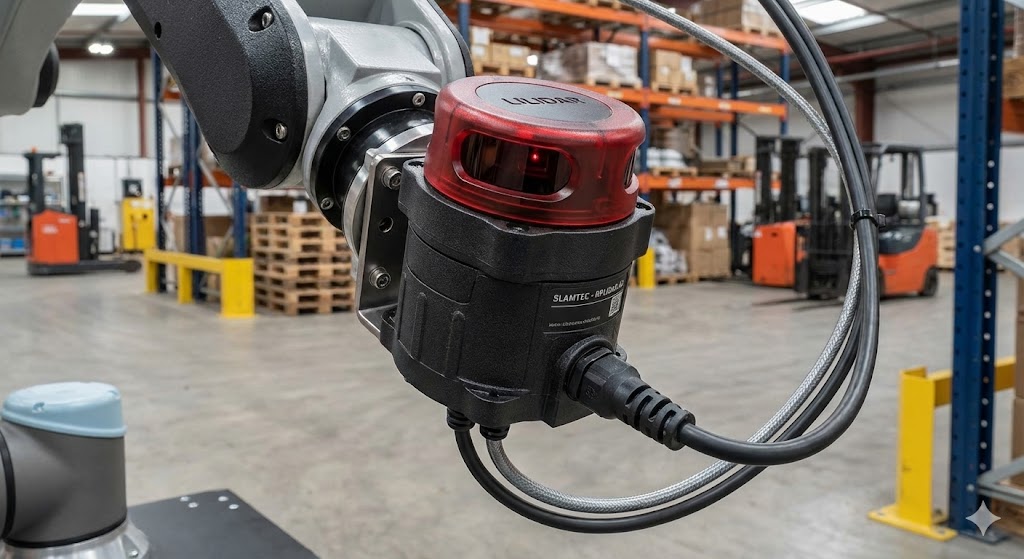
A pervasive question concerns environmental robustness. How do laser sensors perform under harsh industrial conditions involving dust, smoke, ambient light, or vibrations? Modern industrial-grade laser sensors are engineered with significant resilience. They often incorporate specialized optics and algorithms to compensate for material color, reflectivity variations, and background light interference. For instance, sensors using the triangulation principle may feature automatic exposure control to handle shiny or dark surfaces. However, it is critical to consult the sensor's datasheet for specific Ingress Protection (IP) ratings, operating temperature ranges, and specifications regarding allowable ambient light intensity. For extremely dirty environments, models with built-in air purge ports or protective windows are available.

Another critical area of inquiry involves accuracy and resolution. What factors truly determine the stated accuracy of a laser displacement or measurement sensor? The quoted accuracy is a composite of several elements: the sensor's inherent electronic stability, the quality of its optical system, the algorithm used for signal processing, and the target surface characteristics. It is a common pitfall to overlook the impact of the target. A rough, textured, or translucent surface will scatter the laser beam, potentially degrading performance compared to a smooth, opaque reference surface. Furthermore, resolution—the smallest detectable change—is often different from accuracy and is influenced by electrical noise and the sensor's sampling speed. Always validate sensor specifications using a representative sample of your actual target material.
Integration and connectivity pose their own set of challenges. With the advent of Industry 4.0, how are laser sensors adapting to smart factory ecosystems? The trend is unequivocally toward digitalization and network integration. Contemporary laser sensors increasingly offer industrial communication protocols like IO-Link, PROFINET, EtherCAT, or EtherNet/IP directly from the sensor head or via a separate controller. IO-Link, in particular, is transformative, enabling not only parameterization and remote diagnostics but also the transmission of process data, device status, and maintenance warnings. This facilitates predictive maintenance and seamless data flow into PLCs and SCADA systems, moving beyond simple switched output functionality.
Finally, a practical question often arises regarding safety. Are all industrial laser sensors safe for unrestricted use? Laser safety is governed by international classifications (IEC 60825-1). Most common industrial laser sensors for measurement and detection are Class 1 or Class 2 lasers, which are considered safe under normal operating conditions because the laser is enclosed, or the output power is very low. Class 1 products are inherently safe, while Class 2 requires avoiding intentional staring into the beam. However, higher-powered lasers used for certain profiling or alignment tasks may be Class 3R or higher, necessitating formal risk assessments, controlled areas, and personal protective equipment. The laser class is always clearly marked on the device label—never ignore it.
In conclusion, laser sensors are powerful, versatile components whose effective deployment hinges on a nuanced understanding of their technology, environmental limits, and integration capabilities. By moving beyond catalog specifications and engaging with these fundamental operational questions, engineers can unlock their full potential, driving efficiency, quality, and intelligence in modern manufacturing and beyond. The future will likely bring even tighter integration with AI for adaptive sensing and more compact, multifunctional designs, making this foundational knowledge ever more critical.