Selecting the appropriate laser distance sensor is a critical decision for engineers and system integrators across manufacturing, logistics, robotics, and construction. With a myriad of technologies and specifications available, making an informed choice requires a clear understanding of your application's core requirements and the operational environment. This guide outlines the key parameters and considerations to ensure optimal performance and return on investment.
The first step is to define the fundamental measurement task. What exactly do you need to measure? Is it the distance to a static object, the thickness of a material, or the precise positioning of a component on a high-speed assembly line? The nature of the target—its color, surface texture, and material—profoundly influences sensor selection. For instance, a dark, matte surface absorbs more laser light than a bright, reflective one, potentially reducing the effective measuring range. Some advanced sensors feature background suppression or specialized algorithms to compensate for varying surface properties.
Next, establish your performance specifications with hard numbers. The measuring range is the most obvious starting point. Always choose a sensor with a stated range that exceeds your maximum required distance by a safety margin of 10-20% to account for real-world variances. Closely tied to range is accuracy and repeatability. Accuracy defines how close the measurement is to the true value, while repeatability indicates the sensor's consistency in returning the same value for a static target. For quality control or precision assembly, micron-level repeatability might be non-negotiable, whereas bulk level monitoring may tolerate millimeter-level accuracy.

The response time or sampling rate is crucial for dynamic applications. A sensor on a robotic pick-and-place arm needs a fast update rate to track moving objects accurately, while one monitoring slow-filling silos does not. Ensure the sensor's speed aligns with your process cycle time.
The operating environment is a decisive, often underestimated factor. Industrial settings can be harsh. Consider ambient light interference. Sunlight or strong artificial lighting can swamp the sensor's receiver. Look for sensors with narrow-band filters or modulated laser light for superior ambient light immunity. Temperature fluctuations, humidity, dust, and vibration can all affect performance and longevity. Check the sensor's Ingress Protection (IP) rating and operating temperature specifications. An IP67-rated sensor, for example, is dust-tight and can withstand temporary immersion, making it suitable for washdown areas.
Electrical and output requirements must integrate seamlessly with your control system. Common output types include analog (4-20 mA, 0-10 V), digital (RS232, RS485, USB), and discrete switching signals (PNP/NPN). Industrial Ethernet protocols like EtherNet/IP or PROFINET are increasingly common for Industry 4.0 connectivity. Also, verify the supply voltage (e.g., 10-30 VDC) matches your available power.
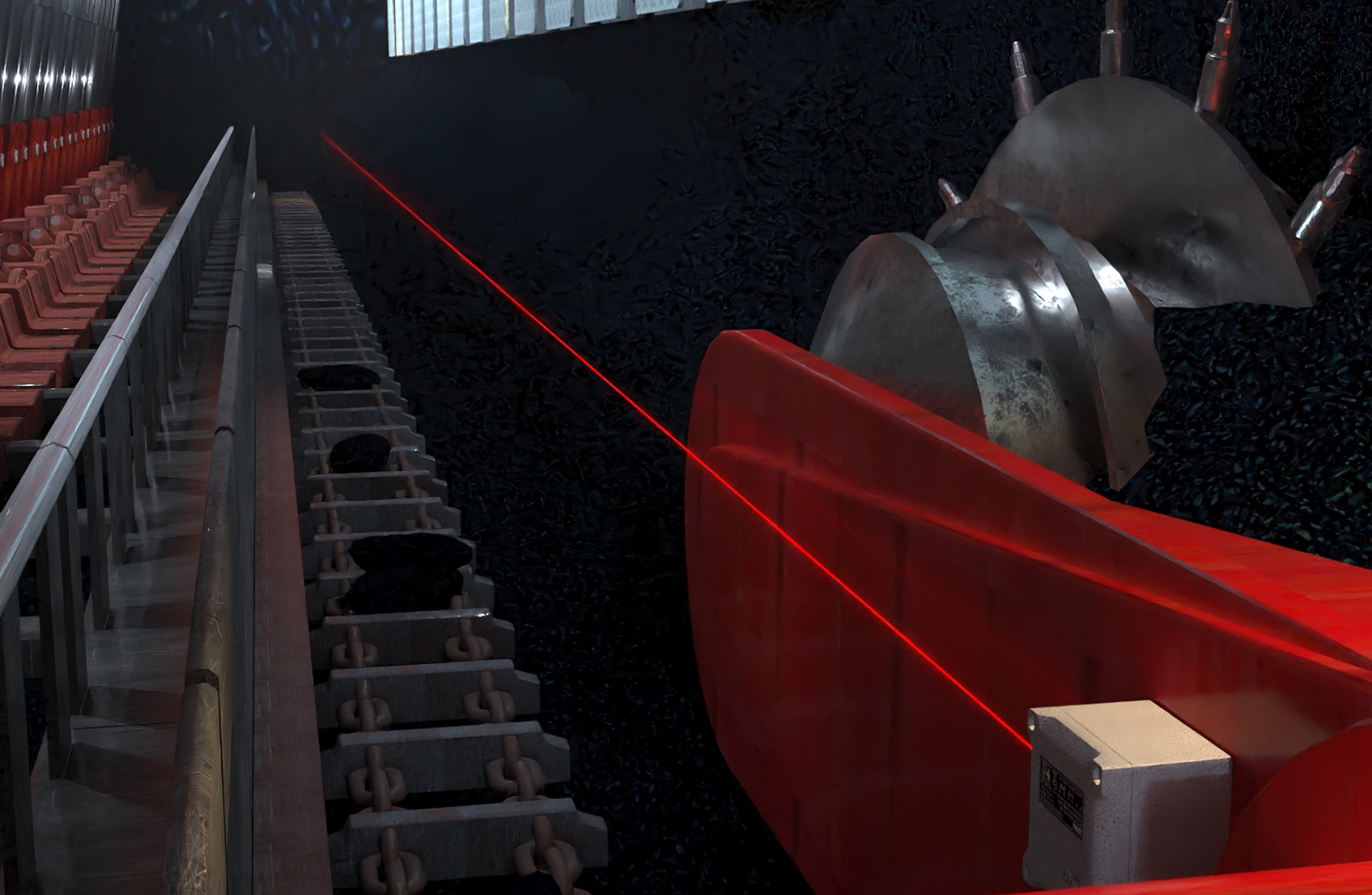
Finally, evaluate the practical aspects of form factor, mounting options, and alignment aids. A compact sensor is necessary for space-constrained installations. Integrated mounting brackets or alignment lasers can drastically reduce commissioning time and effort. Don't overlook long-term support: availability of technical documentation, software configuration tools, and the manufacturer's reputation for reliability and service are integral to a successful deployment.
In summary, there is no universal "best" laser distance sensor. The optimal choice is a careful balance of technical specifications, environmental robustness, and system integration needs. By methodically analyzing your application against these criteria—target properties, required precision, speed, environmental conditions, and output interface—you can select a sensor that delivers reliable, accurate data, ensuring process efficiency and control system integrity for years to come.