Hall Effect proximity sensors are solid-state devices that detect the presence, absence, or position of a magnetic object without physical contact. They operate based on the Hall Effect principle, discovered by Edwin Hall in 1879. When a conductor or semiconductor with current flowing through it is placed in a perpendicular magnetic field, a voltage difference—known as the Hall voltage—is generated across the material. This voltage is proportional to the magnetic field strength. In industrial settings, Hall Effect sensors are engineered to respond to changes in magnetic flux density caused by the approach or movement of a ferromagnetic target, such as a permanent magnet or a magnetized gear tooth.
Unlike inductive proximity sensors, which require conductive metallic targets, Hall Effect sensors specifically detect magnetic fields. This makes them ideal for applications involving permanent magnets or magnetized components. Common detection targets include rotating shafts with embedded magnets, magnetic encoders, ferromagnetic pistons in cylinders with integrated magnets, and magnetic switches in safety interlocks. They are extensively used in speed sensing (e.g., detecting RPM in automotive crankshafts or wheel speed), position feedback in linear actuators, limit switching in machinery, and brushless DC motor commutation.
The sensors typically consist of a Hall element, signal conditioning circuitry (amplifier, Schmitt trigger), and an output stage (digital or analog). Digital versions provide a clean, bounce-free switch signal when the magnetic field exceeds a predefined threshold, while analog versions output a continuous voltage proportional to field strength. Key advantages include high reliability due to no moving parts, immunity to environmental contaminants like dust or oil, ability to operate at high frequencies (up to several hundred kHz), and consistent performance across a wide temperature range. They are also less susceptible to vibration and can detect static magnetic fields, allowing for true zero-speed sensing.
In automotive systems, Hall Effect sensors monitor throttle position, transmission speed, and anti-lock braking systems. In industrial automation, they ensure precise positioning in CNC machines, count products on conveyors with magnetic markers, and provide feedback in robotic joints. Consumer electronics use them in flip-cover detection for laptops or lid closure in appliances. When selecting a Hall Effect proximity sensor, engineers consider factors like sensing distance (typically up to 30 mm for standard models), magnetic field sensitivity (measured in Gauss or mT), output type (PNP/NPN, push-pull, or analog), supply voltage (commonly 5-24V DC), and housing material for harsh environments (e.g., stainless steel or IP-rated plastics).
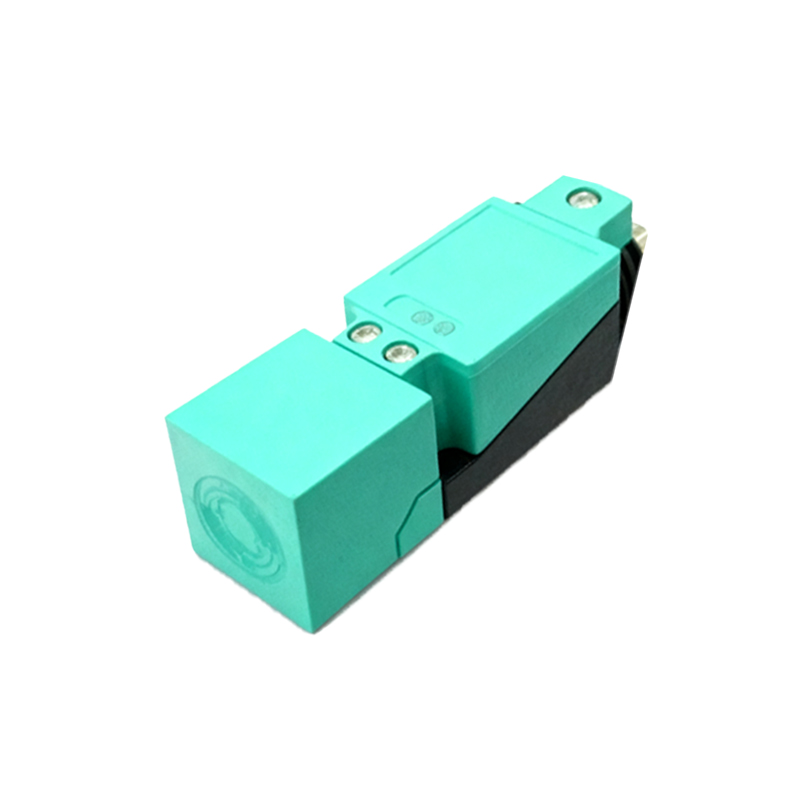
Installation requires attention to magnetic pole orientation (most sensors respond to a specific pole), shielding from external magnetic interference, and proper alignment with the target. False triggers can occur if stray magnetic fields are present, so adequate separation from motors or transformers is necessary. Modern advancements include 3D Hall sensors that detect multi-axis magnetic fields for complex positioning, and integrated ICs with programmable thresholds and diagnostics.
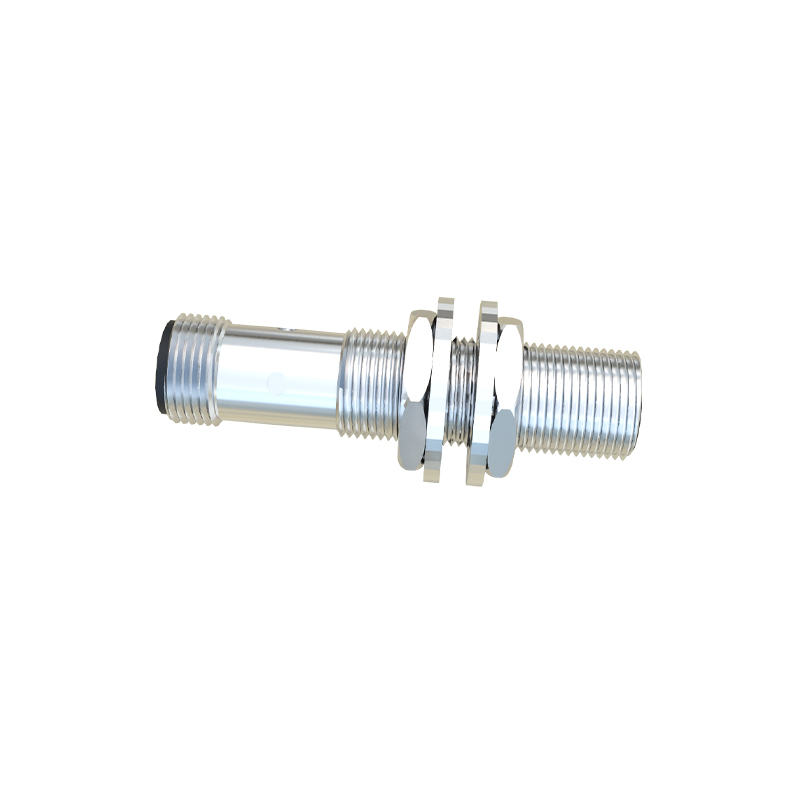
Overall, Hall Effect proximity sensors offer a robust, contactless solution for detecting magnetic objects with high precision and durability. Their versatility ensures critical roles in safety, efficiency, and automation across industries, from manufacturing lines to smart vehicles. As technology evolves, these sensors continue to enable smarter, more responsive electromechanical systems.