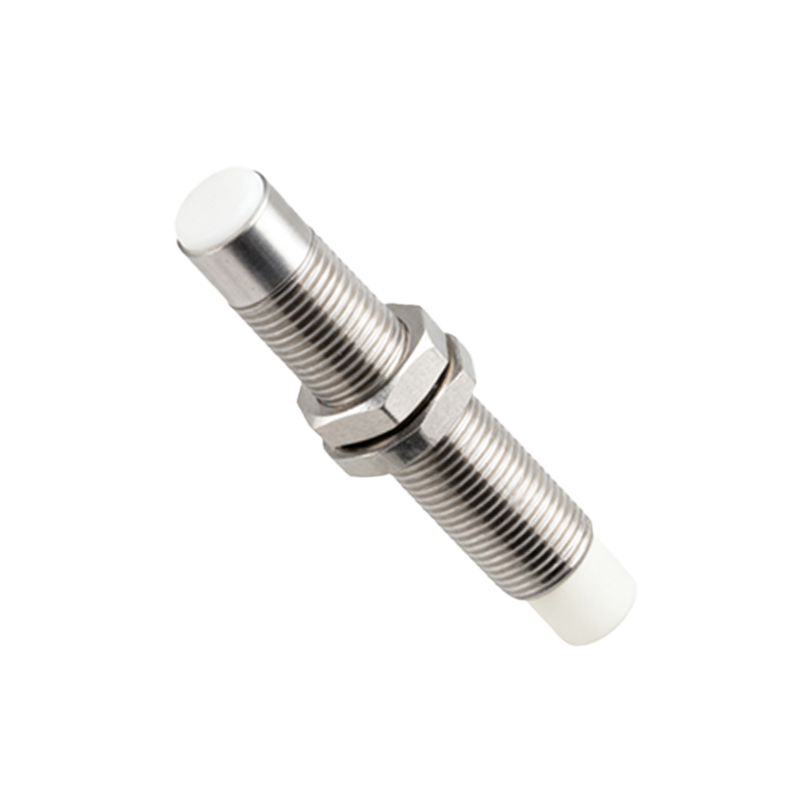
Metallic proximity sensors are indispensable components in modern industrial automation, offering non-contact detection of metallic objects with high precision and reliability. These sensors operate based on electromagnetic principles, typically utilizing inductive or capacitive sensing technologies to detect the presence of metals without physical contact. Inductive proximity sensors, the most common type, generate an electromagnetic field that interacts with metallic targets, causing changes in oscillation amplitude or frequency that trigger a switching signal. This makes them ideal for harsh environments where dust, moisture, or mechanical wear could compromise traditional mechanical switches.
The core advantages of metallic proximity sensors include their durability, fast response times, and immunity to environmental factors. In manufacturing lines, they are widely used for position sensing, object counting, and safety applications, such as detecting the presence of machinery parts or ensuring automated systems operate within safe parameters. For instance, in automotive assembly, these sensors monitor the positioning of metal components like engine blocks or chassis parts, enabling seamless robotic operations. Their robust construction, often featuring stainless steel or nickel-plated brass housings, ensures longevity even in extreme conditions involving high temperatures, vibrations, or corrosive substances.
When selecting a metallic proximity sensor, engineers must consider key parameters such as sensing range, output type (e.g., NPN, PNP, or analog), and environmental ratings like IP67 for water and dust resistance. Advanced models incorporate features like temperature compensation and noise immunity, enhancing performance in complex setups. Regular maintenance involves checking for alignment issues or buildup of metallic debris, which can affect accuracy. As Industry 4.0 evolves, these sensors are increasingly integrated with IoT systems, providing real-time data for predictive maintenance and efficiency optimization. Overall, metallic proximity sensors form a critical backbone in automation, driving productivity and safety across sectors from logistics to heavy machinery.