In the realm of industrial automation and electrical engineering, contact and proximity sensors serve as critical components for detecting the presence, absence, or position of objects without physical interaction in many cases. These sensors are integral to ensuring safety, efficiency, and precision in various applications, from manufacturing assembly lines to smart home systems. Understanding their principles, types, and applications is essential for engineers and technicians working with modern electrical systems.
Contact sensors, as the name implies, require physical touch or direct contact to operate. Common examples include limit switches and tactile sensors. A limit switch, for instance, is mechanically activated when an object makes contact with its actuator, triggering an electrical signal to control machinery. These sensors are robust, simple in design, and widely used in safety interlocks, position detection, and conveyor systems. However, their reliance on physical contact can lead to wear and tear over time, necessitating regular maintenance.
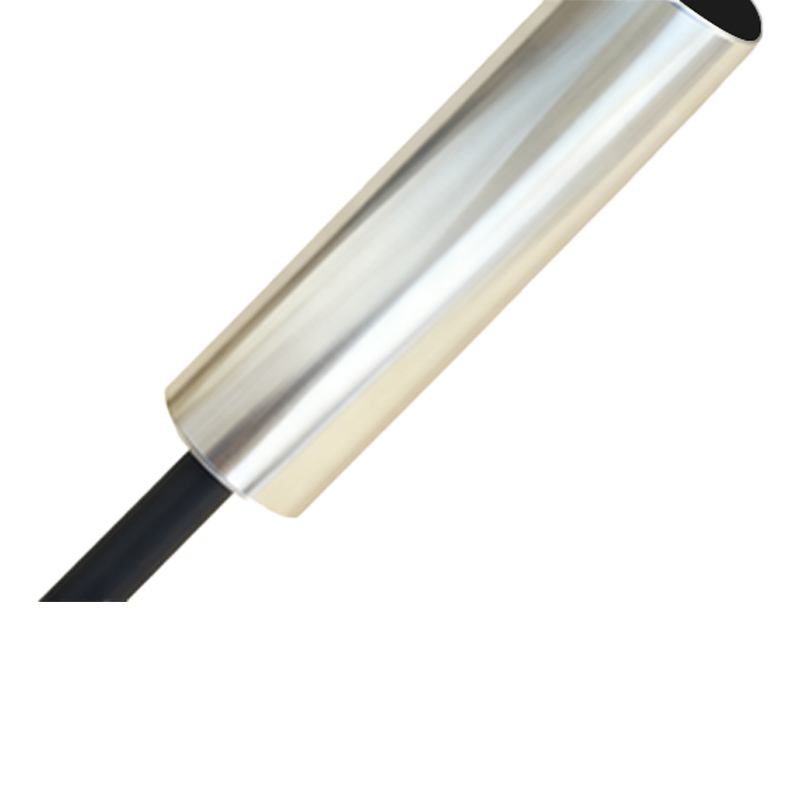
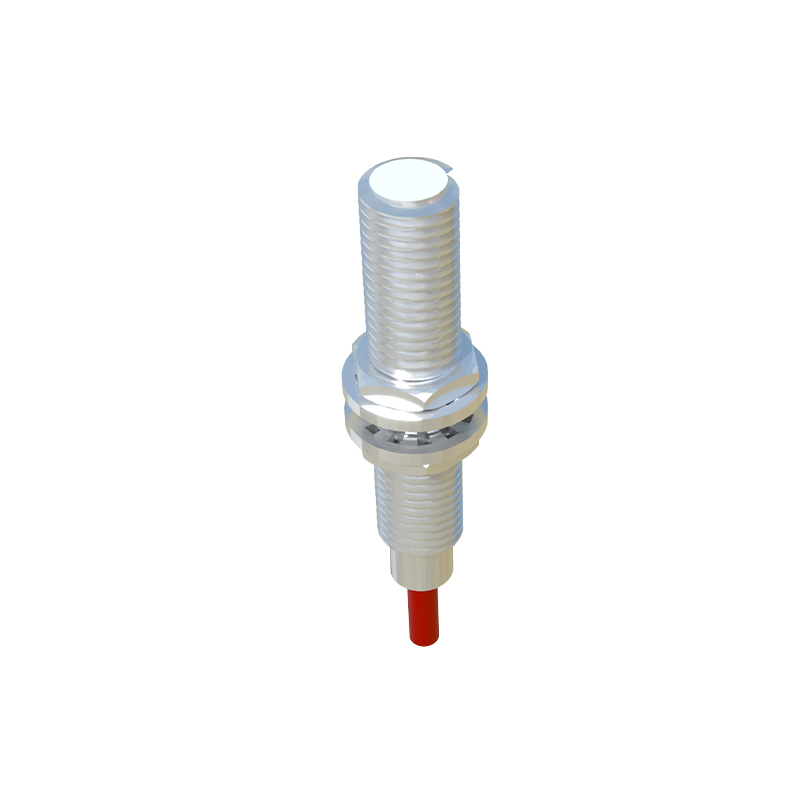
In contrast, proximity sensors detect objects without any physical contact, using various technologies such as inductive, capacitive, ultrasonic, and optical methods. Inductive proximity sensors are ideal for detecting metallic objects by generating an electromagnetic field. When a metal object enters this field, it induces eddy currents, causing a change in the sensor's output. These sensors are highly reliable in harsh industrial environments, resistant to dust, moisture, and vibrations. Capacitive proximity sensors, on the other hand, can detect both metallic and non-metallic materials, including liquids and plastics, by measuring changes in capacitance. They are commonly used in level sensing, material handling, and packaging industries.
Ultrasonic proximity sensors emit high-frequency sound waves and measure the time taken for echoes to return, allowing them to detect objects at varying distances. They are versatile and effective in applications like distance measurement, object counting, and liquid level detection. Optical proximity sensors, including infrared and laser types, use light beams to sense objects. When an object interrupts or reflects the light beam, the sensor triggers a response. These sensors offer high precision and are suitable for clean environments, such as electronics manufacturing and robotics.
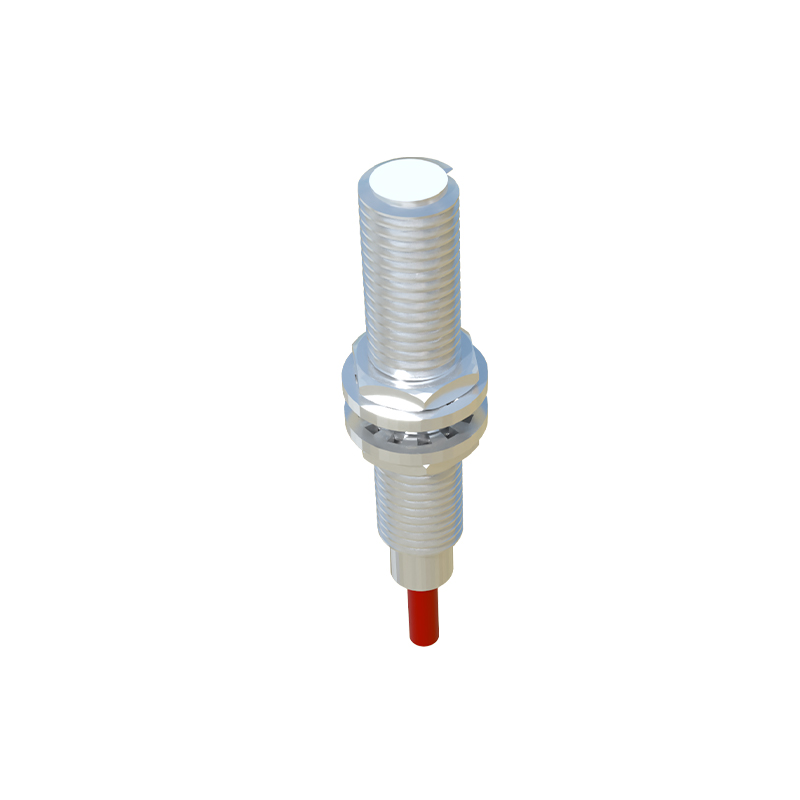
The selection between contact and proximity sensors depends on factors like the application environment, material of the target object, required sensing range, and cost considerations. In automotive manufacturing, for example, inductive proximity sensors are used to detect metal parts on assembly lines, while capacitive sensors monitor fluid levels in tanks. In consumer electronics, optical proximity sensors enable touchless controls in devices like smartphones and automatic faucets.
Advancements in sensor technology have led to the development of smart sensors with integrated microprocessors, enabling features like self-diagnostics, digital communication, and adaptive sensing. These innovations enhance system reliability and reduce downtime. Additionally, the integration of Internet of Things (IoT) capabilities allows sensors to transmit data wirelessly for real-time monitoring and predictive maintenance, contributing to the growth of Industry 4.0.
Despite their benefits, challenges remain, such as interference from environmental factors, calibration requirements, and compatibility with existing systems. Engineers must carefully evaluate specifications and conduct testing to ensure optimal performance. Regular maintenance, including cleaning and calibration, is crucial for prolonging sensor lifespan and maintaining accuracy.
In summary, contact and proximity sensors are indispensable in modern electrical and automation systems. Their ability to provide accurate, reliable detection supports operational efficiency, safety, and innovation across industries. As technology evolves, these sensors will continue to play a pivotal role in shaping the future of automation, from industrial robotics to smart infrastructure. By staying informed about the latest developments, professionals can leverage these tools to design more intelligent and responsive systems.