In the dynamic landscape of industrial automation and machine design, the one-size-fits-all approach often falls short. Standard proximity sensors, while reliable for common applications, can become a bottleneck when faced with unique environmental challenges, space constraints, or specific performance requirements. This is where the value of a dedicated custom proximity sensor shop becomes irreplaceable. For engineers and procurement specialists, having a direct line—a dedicated phone line—to expert engineering support is not merely a convenience; it is a critical component for project success, innovation, and maintaining competitive advantage.
The journey toward a custom sensor typically begins when an off-the-shelf unit cannot meet the precise demands of an application. Perhaps you need a sensor to operate reliably in extreme temperatures beyond standard commercial ranges, or withstand high-pressure washdowns in food processing. Maybe the required sensing distance is non-standard, or the housing must fit into an unusually compact or shaped mounting location. Material compatibility is another frequent driver; applications involving aggressive chemicals or specific metallurgical properties often necessitate custom housing materials or specialized sensing face designs.
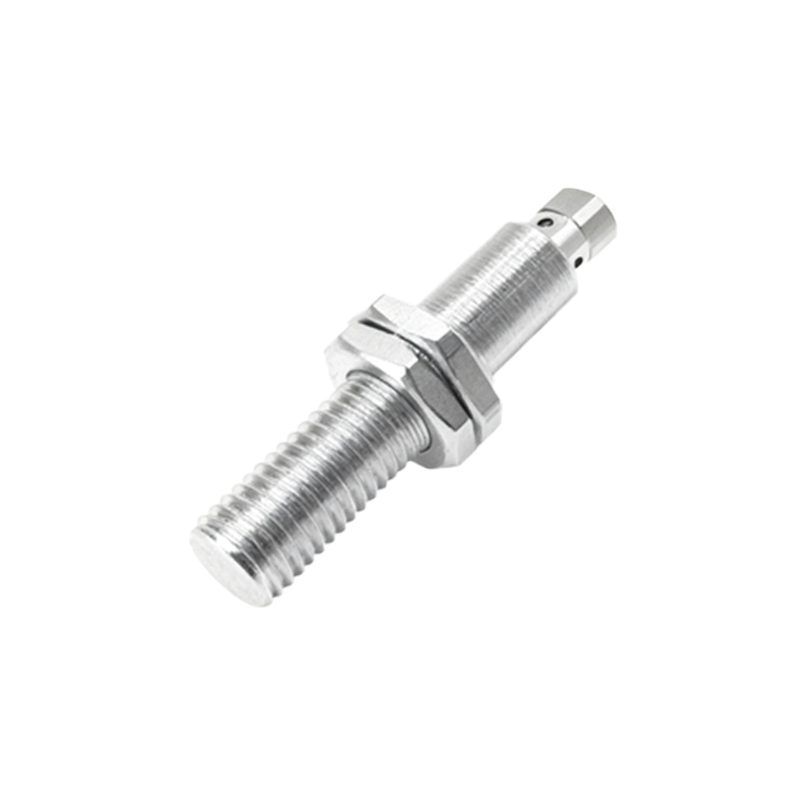
This is the precise moment when picking up the phone and calling a specialized custom shop delivers unparalleled value. Unlike browsing online catalogs or sending emails into a void, a direct telephone conversation facilitates an immediate technical dialogue. You can describe the application in real-time: the target material, the required sensing distance, the environmental hazards (oil, coolant, metal chips, vibration), the electrical interface needed (PNP/NPN, analog output, IO-Link), and the mechanical installation constraints. An experienced application engineer on the other end of the line can ask probing questions, clarify ambiguities, and propose conceptual solutions on the spot. This interactive exchange often uncovers requirements or possibilities that weren't initially apparent in a written specification.
The engineering process following that initial call is collaborative and iterative. A reputable custom sensor shop will treat your project as a partnership. They will leverage their expertise in sensing technologies—whether inductive, capacitive, ultrasonic, or magnetic—to select the optimal core technology for your task. The design phase involves creating prototypes tailored to your specs. This is where direct communication is again vital. Feedback on initial prototype performance can be quickly relayed, and adjustments can be discussed efficiently over the phone, accelerating the development cycle significantly compared to slower, formal correspondence channels.
Beyond the technical design, the phone serves as a direct conduit for managing crucial project logistics. You can discuss realistic timelines for prototyping and production runs, negotiate pricing based on exact volumes and specifications, and establish quality control and testing protocols. For urgent projects or troubleshooting existing installations, the ability to speak directly with a technical resource can mean the difference between hours of downtime and days. This level of responsive support fosters a relationship built on trust and reliability.
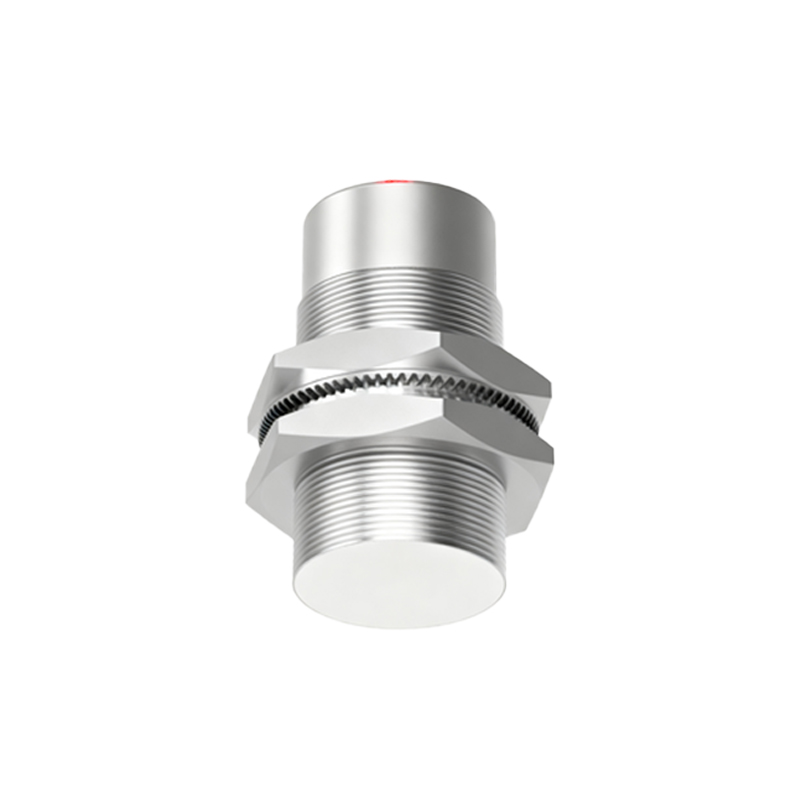
When seeking out a custom proximity sensor manufacturer, prioritize those who prominently offer and encourage direct phone contact for technical inquiries. Look for shops that employ seasoned application engineers, not just sales staff. Before you call, prepare key details: technical drawings of the mounting area, a clear description of the target object and environment, desired electrical output, and supply voltage. This preparation ensures the conversation is productive from the first minute.
In conclusion, in a world increasingly dominated by digital forms and automated responses, the direct telephone line to a custom sensor shop remains a powerful tool. It represents a commitment to personalized service, deep technical collaboration, and agile problem-solving. For engineers tasked with pushing the boundaries of what's possible in automation and machinery, this direct connection is more than just a contact number; it is the lifeline to turning challenging concepts into robust, reliable, and innovative sensing solutions. Don't underestimate the strategic advantage of having expert engineers just a phone call away.