In the rapidly evolving landscape of industrial automation and precision measurement, laser sensors have become indispensable tools. Their performance, however, is critically dependent on the quality and specifications of the lens system. A well-chosen lens ensures accurate beam shaping, optimal focus, and reliable data acquisition, directly impacting the efficiency and accuracy of applications ranging from distance measurement and object detection to alignment and quality control. This article provides professional recommendations for laser sensor lenses, tailored to various industrial needs.
First, understanding the core parameters is essential. The primary factors include focal length, numerical aperture (NA), wavelength compatibility, and material. For instance, a lens with a short focal length is ideal for close-range, high-resolution tasks, while a long focal length suits long-distance measurements. The NA determines the light-gathering ability and resolution; a higher NA is preferable for precision applications. Most industrial laser sensors operate in the visible (e.g., 650nm) or near-infrared (e.g., 850nm, 905nm) spectra, so the lens must have high transmission and minimal aberration at these specific wavelengths. Materials like fused silica or specialized optical glasses are common for their durability and thermal stability.
For general-purpose distance sensing and positioning, we highly recommend aspheric lenses. These lenses correct spherical aberration effectively, producing a cleaner, more focused beam spot compared to standard spherical lenses. Brands like Edmund Optics and Thorlabs offer a range of aspheric lenses with anti-reflective coatings that enhance transmission for common laser wavelengths. A typical recommendation is a molded glass aspheric lens with an AR coating for 780-1550 nm, suitable for many IR-based sensor systems.
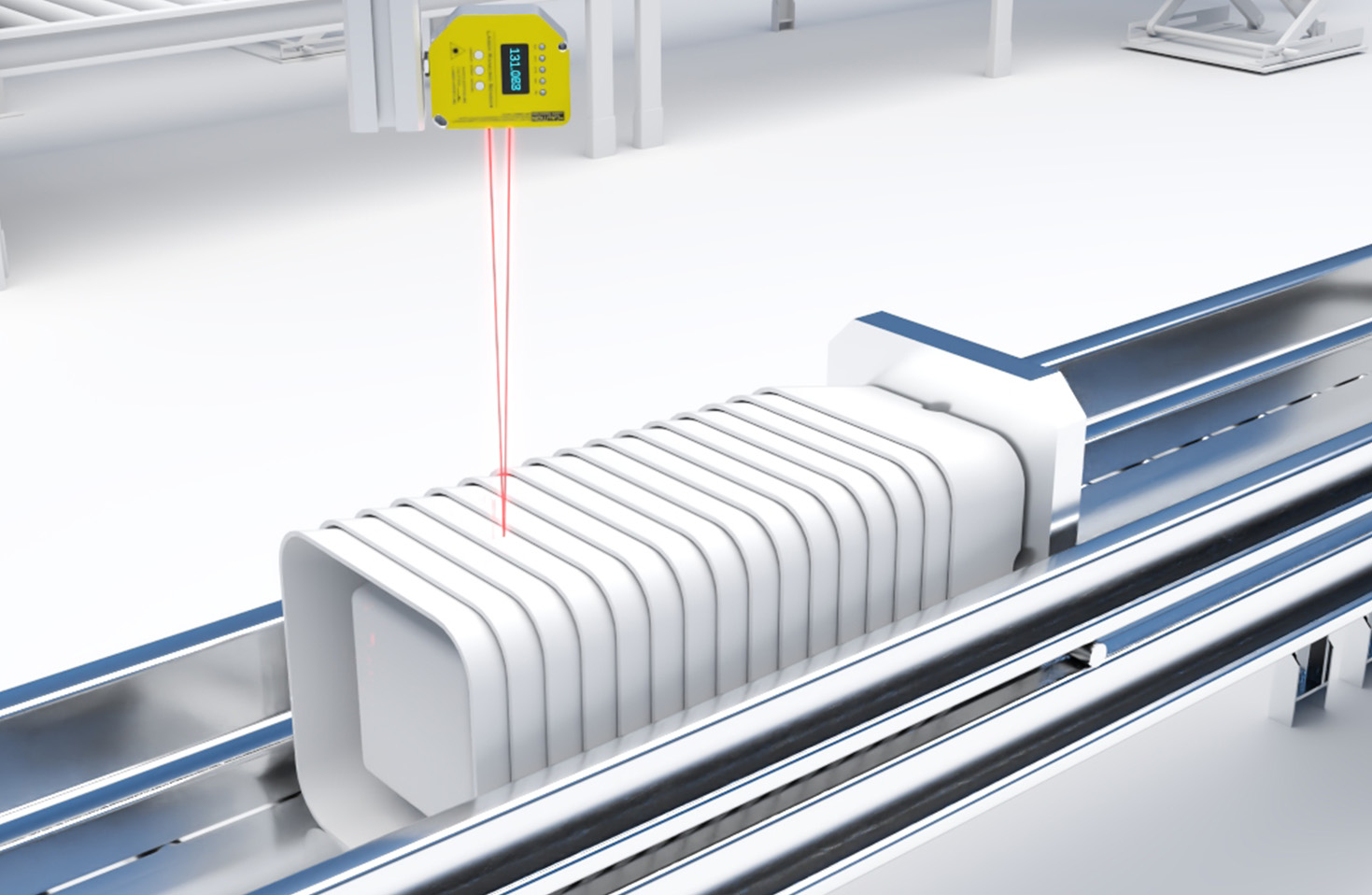
In environments with high levels of ambient light or potential contamination, such as manufacturing floors or outdoor settings, a lens with a narrow bandpass filter is crucial. This filter blocks unwanted light, allowing only the specific laser wavelength to pass through, drastically improving signal-to-noise ratio. Companies like SICK or Keyence often integrate such filtered lenses into their robust laser sensor housings. For DIY or custom sensor setups, consider purchasing a lens assembly that includes a threaded barrel for easy mounting and integrated filtering.
For ultra-high-precision applications like micron-level displacement measurement or semiconductor inspection, telecentric lenses are the gold standard. These lenses provide a constant magnification regardless of object distance within their depth of field, eliminating perspective error. This is vital for gauging dimensions accurately. While more expensive, telecentric lenses from providers such as Opto Engineering or Mitutoyo deliver unparalleled measurement consistency. Pairing them with a collimated laser source is often necessary for best results.

Durability cannot be overlooked. In harsh conditions involving dust, moisture, or temperature fluctuations, the lens must be protected. We recommend lenses housed in IP67-rated enclosures. The lens material itself should be hardened glass or sapphire for scratch resistance. Many industrial sensor manufacturers, like Banner Engineering or Omron, design their laser sensors with such ruggedized, sealed front windows, which function as integral protective lenses.
Finally, maintenance and compatibility are key. Always ensure the lens thread size (e.g., M12, M30) matches your sensor housing. Regular cleaning with appropriate optics-grade wipes and solutions is necessary to maintain performance. Avoid generic glass cleaners that can damage coatings.
In conclusion, selecting the right laser sensor lens is a strategic decision that balances optical performance, environmental robustness, and application specificity. Investing in a high-quality, appropriately specified lens not only maximizes sensor accuracy and longevity but also enhances overall system reliability, providing a strong return on investment in any automated industrial process.