In the realm of industrial automation and control systems, reed proximity switch sensors stand as a fundamental and highly reliable component. Their operation, elegantly simple yet robust, makes them indispensable for position sensing, limit switching, and safety interlocking across countless applications. This article delves into the core working principle of these sensors, exploring their construction, magnetic actuation, and key operational characteristics.
At its heart, a reed proximity switch sensor consists of two primary elements: the reed switch itself and a permanent magnet or an electromagnet. The reed switch is a hermetically sealed glass capsule containing two ferromagnetic reeds (typically made of a nickel-iron alloy). These reeds overlap at their ends with a small gap separating them, and their tips are plated with a noble metal like rhodium or ruthenium to ensure excellent electrical contact. The glass envelope is filled with an inert gas, such as nitrogen, to prevent oxidation of the contacts and ensure long-term reliability.
The fundamental working principle is based on the interaction between magnetism and ferromagnetic materials. In its normal, non-actuated state (with no target present), the reed contacts remain open. When a ferromagnetic target (like a steel plate or gear tooth) enters the sensor's detection range, it disturbs the magnetic field generated by the permanent magnet integrated into the sensor housing. This disturbance causes the magnetic flux lines to be concentrated and redirected. In a common configuration, the presence of the ferromagnetic target provides a low-reluctance path for the magnetic flux. This effectively "pulls" the magnetic field away from the reed switch, causing the magnetic force holding the reeds closed (or open, depending on the design) to diminish or change.
For a normally open (NO) reed switch, which is the most prevalent type in proximity sensing, the process is as follows: The permanent magnet's field is normally shunted or configured such that it does not actuate the reed switch when no target is near. When the ferromagnetic target approaches, it alters the magnetic circuit. This change can cause the magnetic flux to now pass through the reed blades, magnetizing them. Since the reeds are ferromagnetic and flexible, the opposite magnetic poles induced on each reed tip create an attractive force. When this magnetic attraction force overcomes the mechanical spring force of the reeds, the contacts snap closed, completing an electrical circuit. This is the "switching" action. Once the target moves away, the magnetic force on the reeds drops below the spring force, and the contacts snap open again, breaking the circuit.
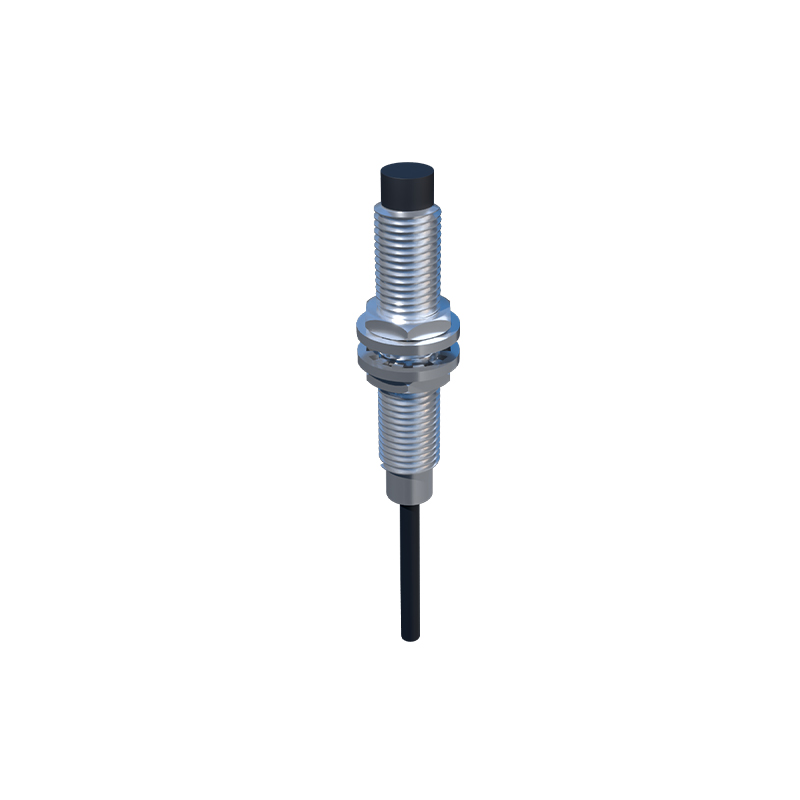
It is crucial to distinguish between the sensing distance and the release distance. The sensing distance is the point at which the switch closes as the target approaches. The release distance is the point at which the switch opens as the target moves away. Due to magnetic hysteresis—a property of ferromagnetic materials—the release distance is slightly smaller than the operating distance. This hysteresis is a beneficial feature, as it prevents contact chatter or rapid on/off cycling when a target is positioned at the very edge of the detection zone.
Reed proximity sensors offer several distinct advantages. They are contactless, meaning no physical touch is required between the sensor and the target, leading to virtually infinite mechanical life for the switching element itself. The sealed contacts are immune to contamination from dust, oil, and moisture, making them suitable for harsh environments. They can switch low-power signals reliably and are capable of relatively high-speed operation. Furthermore, they are simple, cost-effective, and require no external power for the basic switching action when used with a permanent magnet.
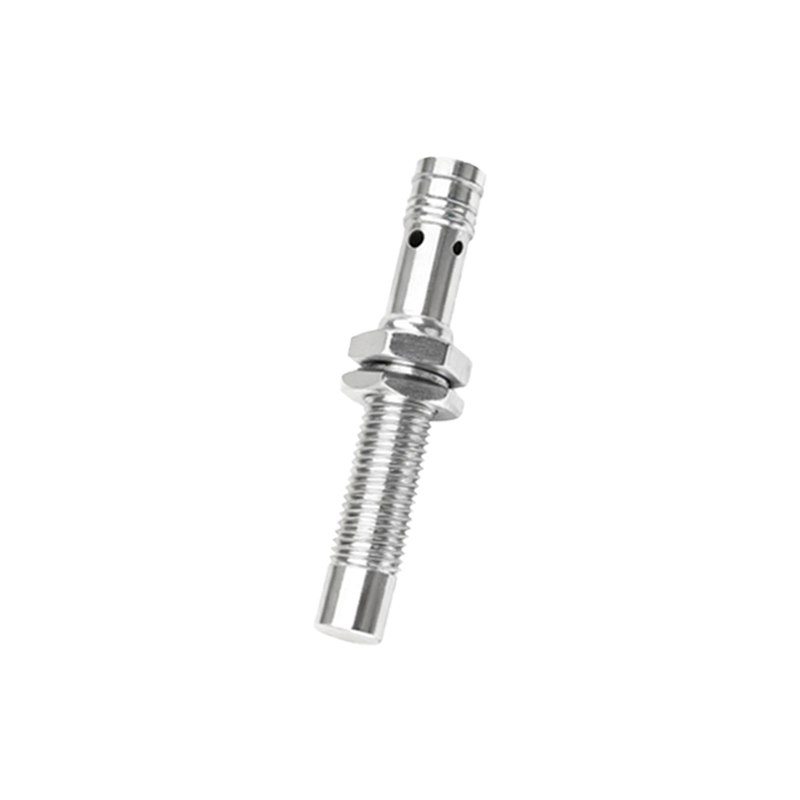
However, understanding their limitations is equally important. The sensing distance is relatively short compared to inductive or capacitive proximity sensors. The operating speed, while good, may not match that of solid-state sensors for extremely high-frequency applications. The reed contacts can be susceptible to damage from high inrush currents or voltage transients, so proper load management is essential. Also, they are primarily sensitive to ferromagnetic materials; non-ferrous metals like aluminum or copper will not actuate a standard reed proximity sensor.
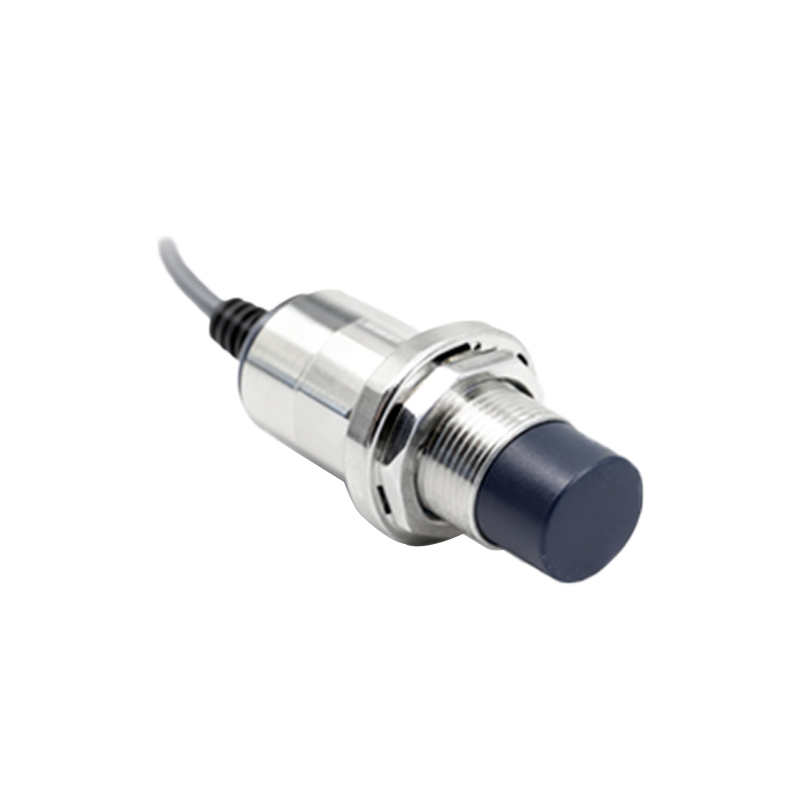
In conclusion, the reed proximity switch sensor operates on a timeless principle of magnetic interaction. Its simplicity, sealed integrity, and reliability have secured its place in the engineer's toolbox. From detecting the position of a machine guard to counting revolutions on a slow-speed shaft, understanding how the magnetic field manipulation by a target leads to the crisp snap of the reed contacts is key to effectively specifying and applying these versatile sensors in any control system design.