In the rapidly evolving landscape of renewable energy, proximity sensors play a critical yet often overlooked role in ensuring efficiency, safety, and reliability. From wind turbine pitch control and solar panel tracking systems to battery management in energy storage, these devices are fundamental. However, for engineers and procurement specialists, navigating the cost structure of proximity sensors can be complex. The price is not merely a function of the unit itself but a composite of technology, application demands, and total lifecycle value.
The core technology of the sensor is the primary cost driver. Inductive sensors, commonly used for detecting metallic objects in harsh environments like gearboxes, tend to have a moderate cost. Capacitive sensors, suitable for detecting non-metallic materials such as composites or liquids in processing equipment, can be slightly more expensive due to their specialized circuitry. Ultrasonic and photoelectric sensors, employed in precise distance measurement for solar tracker alignment or object detection on conveyor belts, often command a higher price point due to their advanced components and calibration requirements. The choice between a standard cylindrical housing and a more rugged, customized enclosure for extreme temperatures or corrosive offshore environments directly impacts material and manufacturing costs.
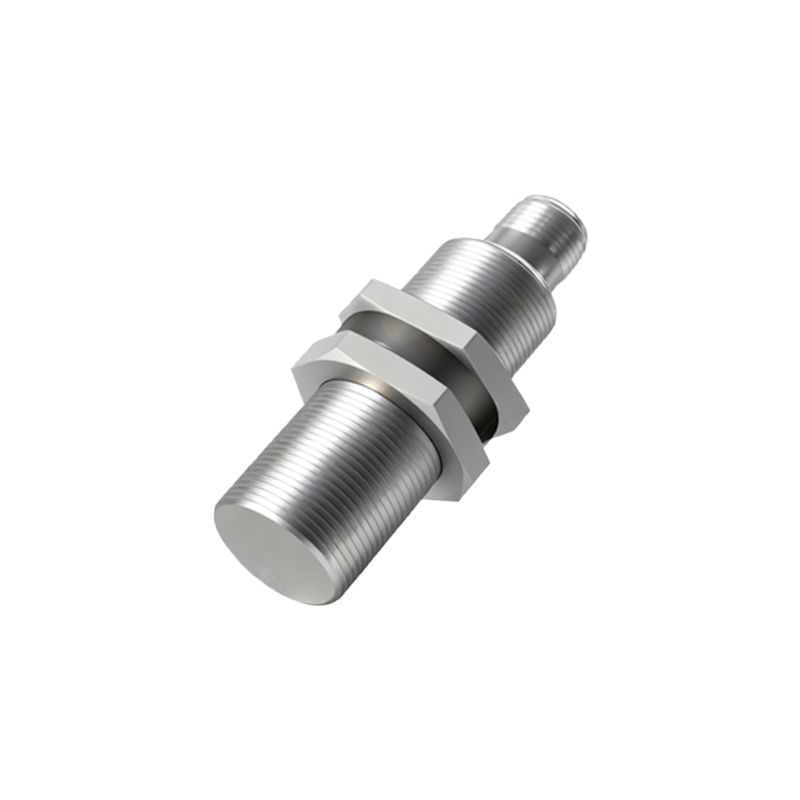
Beyond the base technology, performance specifications significantly influence the price. Sensors with higher sensing ranges, finer resolution (critical for precise positioning in actuator systems), and faster response times are inherently more costly. For instance, a sensor designed to detect blade position in a high-speed wind turbine requires millisecond-level response times and exceptional durability, utilizing high-grade materials and sophisticated electronics. Similarly, the required ingress protection (IP) rating and international certifications (e.g., ATEX, IECEx for hazardous areas) add layers of testing, documentation, and robust construction, elevating the unit cost.
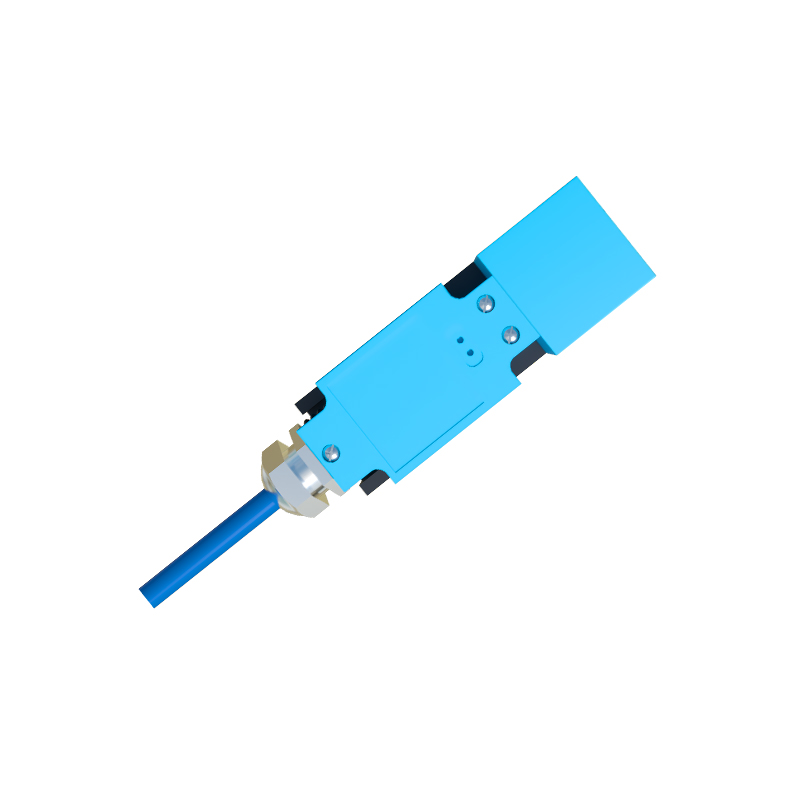
The operational environment in renewable energy is notoriously demanding. Proximity sensors must withstand temperature extremes, constant vibration, humidity, salt spray (in offshore applications), and electromagnetic interference. Sensors built with stainless steel housings, high-quality potting compounds, and military-grade connectors are essential for longevity but increase manufacturing expenses. A cheaper sensor failing prematurely on a remote wind farm can lead to exorbitant downtime and repair costs, far outweighing the initial savings. Therefore, the true cost must be evaluated through the lens of Mean Time Between Failures (MTBF) and total cost of ownership (TCO).
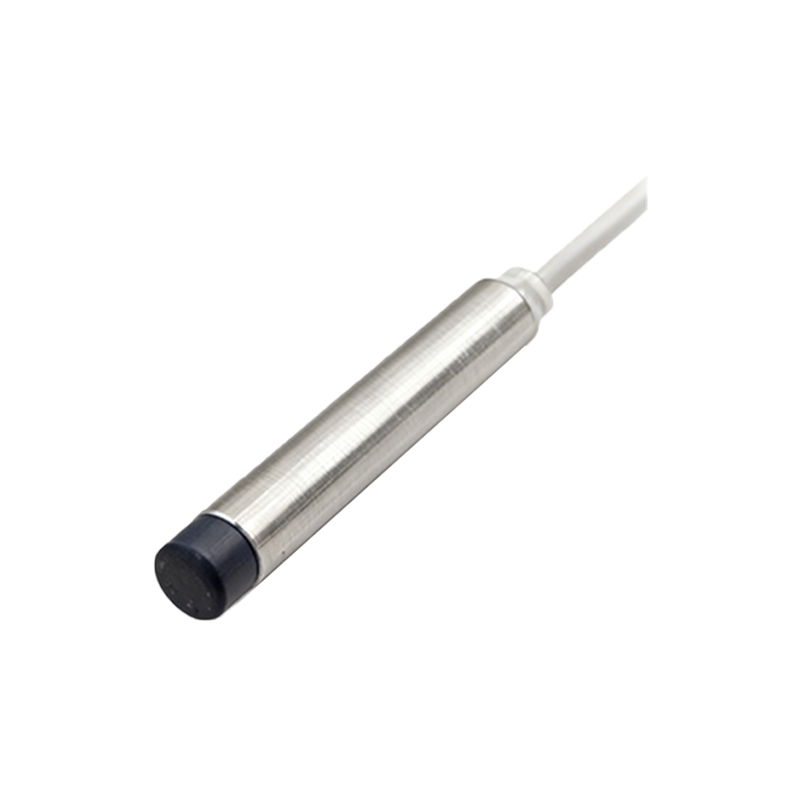
Integration and support form another crucial cost component. A sensor that offers easy integration via standardized outputs (e.g., IO-Link, analog 4-20mA) or digital protocols reduces engineering time and system commissioning costs. Advanced sensors with diagnostic capabilities (like condition monitoring feedback) provide predictive maintenance data, preventing catastrophic failures. The cost of technical support, availability of replacement units, and the manufacturer's expertise in renewable applications also hold tangible value. Sourcing from a supplier with a proven track record in energy projects, though potentially at a premium, mitigates project risk.
Finally, market dynamics and volume play a role. Custom-engineered solutions for original equipment manufacturers (OEMs) in solar or wind involve non-recurring engineering (NRE) costs but can be economical at high volumes. Conversely, purchasing small quantities of highly specialized sensors for maintenance repairs will carry a higher per-unit price. Global supply chain factors for semiconductors and rare-earth materials can also cause price volatility.
In conclusion, assessing the cost of proximity sensors for renewable energy requires a holistic perspective. The initial purchase price is just one element. Engineers must balance technological requirements, environmental resilience, integration complexity, and long-term reliability. Investing in appropriately specified, high-quality sensors from reputable suppliers is not an expense but a strategic investment in the uptime and operational efficiency of renewable energy assets, ultimately contributing to a more stable and cost-effective clean energy output.