The global laser sensor market is experiencing unprecedented growth, driven by advancements in automation, robotics, and smart manufacturing. As a senior electrical engineer with extensive field experience, I present a comprehensive ranking and analysis of the leading laser sensor manufacturers worldwide, based on technological innovation, market share, product reliability, and industry application breadth. This ranking reflects the current competitive landscape and technological trajectories shaping industrial measurement and detection.
Topping the list is Keyence Corporation, a Japanese powerhouse renowned for its ultra-high precision and innovative product lines. Their LJ-V Series, utilizing proprietary blue laser technology, achieves sub-micron resolution and exceptional stability even on challenging surfaces like glossy metals or black rubber. Keyence dominates in semiconductor fabrication, precision assembly, and automotive quality control. Their strength lies not only in hardware but in integrated software solutions that simplify complex setup and data analysis, making high-end sensing accessible.

A close contender is SICK AG from Germany, a stalwart in industrial sensor technology. SICK's laser sensors, such as the TIM series for distance measurement and the OD series for object detection, are synonymous with ruggedness and reliability in harsh environments. Their sensors are engineered for extreme temperatures, high vibration, and contamination, making them the go-to choice for heavy industries like logistics, material handling, and outdoor applications. SICK’s deep integration with Industry 4.0 and IoT platforms provides a significant edge in smart factory ecosystems.
Omron Corporation, another Japanese leader, secures a top position with its balanced portfolio of cost-effective and high-performance sensors. Omron's E3Z-LS and E3JM series offer excellent value, combining robust construction with consistent accuracy for general-purpose applications. Their focus on miniaturization and energy efficiency caters to the growing demand in compact machinery and battery-operated devices. Omron’s global distribution and strong technical support network further solidify its market presence.
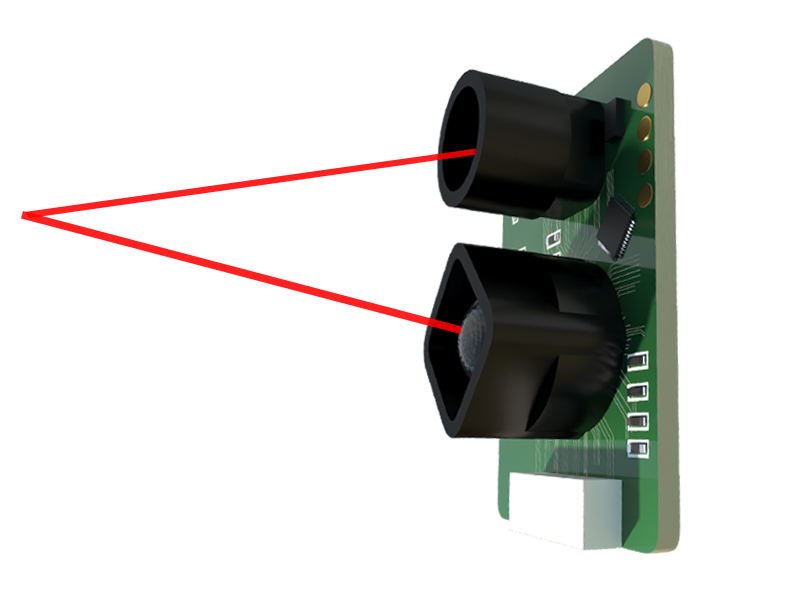
The Swiss precision of Baumer Group earns it a prominent spot. Baumer is celebrated for its analog and digital laser sensors that deliver exceptional accuracy and long-term stability. Their OADM series for distance measurement and O300 series for contrast detection are benchmarks in the packaging, pharmaceutical, and electronics industries. Baumer emphasizes customization and application-specific solutions, often collaborating directly with OEMs to develop tailored sensing systems.
Panasonic Industry Europe, leveraging its vast electronics expertise, is a key player, particularly in photoelectric and laser displacement sensors. Their HG-C Series offers high-speed, high-accuracy measurement crucial for robotics and automated inspection lines. Panasonic’s sensors are known for their noise immunity and easy integration with various controllers and networks, appealing to system integrators seeking versatile components.
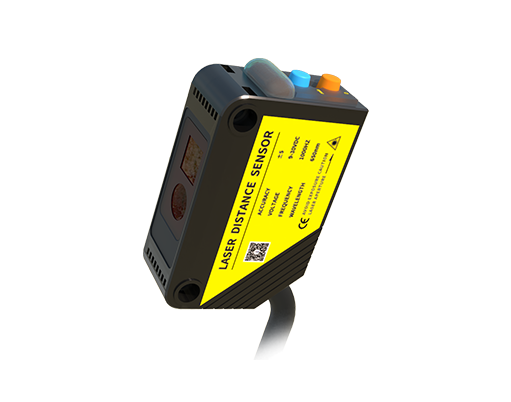
Emerging strongly is ifm electronic, a German company making significant strides with its innovative efector series. ifm focuses on intuitive, IO-Link enabled sensors that simplify predictive maintenance and process optimization. Their laser sensors provide rich diagnostic data, helping reduce downtime—a critical factor in modern manufacturing. ifm’s strength is in providing complete, networked sensing solutions rather than standalone components.
Technological trends defining this ranking include the rapid adoption of Time-of-Flight (ToF) and confocal chromatic measurement principles for greater accuracy and range. Integrated intelligence via onboard processors for real-time data processing and IO-Link communication for seamless digital integration are now standard expectations. Furthermore, the push for miniaturization and lower power consumption continues, enabling new applications in mobile robotics and portable devices.
The choice of a laser sensor manufacturer ultimately depends on the specific application requirements: precision, environment, communication needs, and budget. While Keyence and SICK lead in high-end and rugged applications, respectively, Omron and Panasonic provide excellent mainstream solutions. Baumer and ifm excel in specialized and smart, networked applications. This dynamic market ensures continuous innovation, pushing the boundaries of what laser sensing can achieve in the evolving landscape of industrial automation and beyond.