Proximity sensors are essential components in modern industrial automation, offering non-contact detection capabilities that enhance efficiency, safety, and reliability. Among various types, discrete proximity sensors stand out for their specialized design and performance. These sensors operate by emitting an electromagnetic field or beam to detect the presence or absence of objects without physical contact, making them ideal for harsh environments where contamination, wear, or mechanical stress could compromise traditional sensors.
One of the primary features of discrete proximity sensors is their high precision and repeatability. They provide consistent detection within specified sensing ranges, often with minimal deviation, ensuring accurate positioning and control in applications like assembly lines, robotic arms, and material handling systems. This reliability reduces downtime and maintenance costs, as the sensors are less prone to errors caused by environmental factors such as dust, moisture, or vibration.
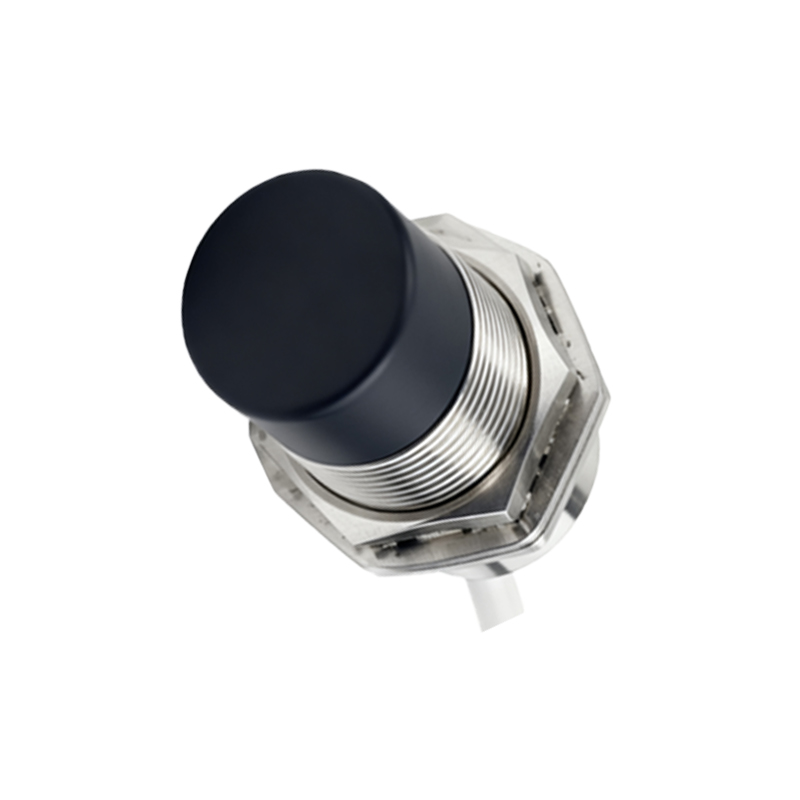
Another key characteristic is their durability and robust construction. Typically housed in rugged materials like stainless steel or nickel-plated brass, discrete proximity sensors can withstand extreme temperatures, corrosive substances, and mechanical impacts. This makes them suitable for industries like automotive manufacturing, food processing, and heavy machinery, where equipment must endure demanding conditions. Additionally, many models feature IP67 or higher ingress protection ratings, ensuring resistance to water and dust ingress.
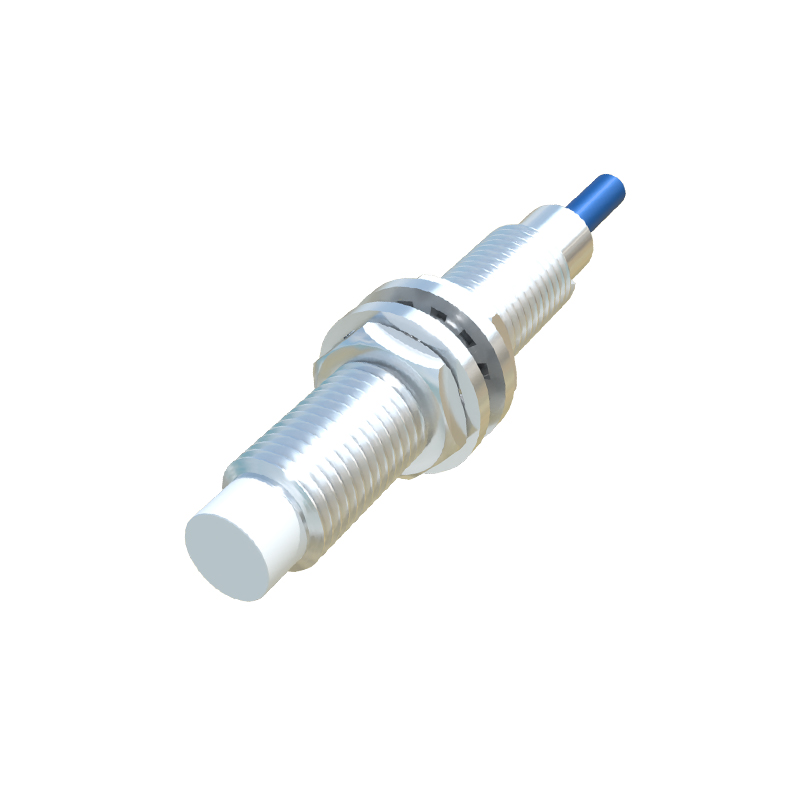
Discrete proximity sensors also offer versatility in output configurations. They commonly provide digital outputs, such as NPN or PNP transistor switching, which interface seamlessly with programmable logic controllers (PLCs) and other control systems. This allows for easy integration into existing automation setups, enabling real-time monitoring and feedback. Some advanced versions include diagnostic functions, like short-circuit protection or status indicators, to facilitate troubleshooting and enhance system safety.
Energy efficiency is another notable advantage. These sensors consume minimal power during operation, contributing to lower overall energy costs in large-scale industrial facilities. Their solid-state design, with no moving parts, further reduces wear and tear, leading to longer operational lifespans compared to mechanical switches. This longevity translates to reduced replacement frequency and lower total cost of ownership over time.
In terms of application flexibility, discrete proximity sensors come in various form factors, including cylindrical, rectangular, and ring-shaped designs, allowing for installation in space-constrained areas. They can detect a wide range of materials, from metals to plastics, depending on the sensing technology used—inductive, capacitive, or magnetic. For instance, inductive sensors excel in detecting metallic objects, while capacitive sensors are effective for non-metallic materials, enabling tailored solutions for diverse industrial needs.
Overall, the features of discrete proximity sensors—precision, durability, versatility, energy efficiency, and adaptability—make them indispensable tools in industrial automation. By enabling non-contact detection and reliable performance, they support optimized processes, improved safety standards, and enhanced productivity across sectors. As technology advances, innovations like smart sensors with IoT connectivity are further expanding their capabilities, paving the way for smarter, more responsive industrial ecosystems.