As an electrical engineer with over 15 years of experience in industrial automation and control systems, I am frequently asked by colleagues and clients: "Where is the best place to buy proximity sensors?" The answer, as with most engineering components, is not one-size-fits-all. The optimal purchasing channel depends on a critical balance of factors including application requirements, budget constraints, lead time, and the need for technical support. This guide will navigate the primary procurement avenues, outlining the advantages and potential pitfalls of each.
The most traditional and reliable source remains authorized distributors and direct manufacturers. Companies like Siemens, Omron, Schneider Electric, Pepperl+Fuchs, and Balluff maintain extensive global networks of certified distributors. Purchasing from these authorized channels guarantees that you receive genuine, factory-new products with full warranties and traceability. This is non-negotiable for mission-critical applications in industries like automotive manufacturing, pharmaceuticals, or food and beverage, where sensor failure can lead to catastrophic production downtime or safety incidents. Authorized distributors also provide invaluable pre-sales and post-sales technical support. Their application engineers can help you select the correct sensor type (inductive, capacitive, ultrasonic, or photoelectric), specify the appropriate sensing range, housing material (e.g., stainless steel for washdown environments), and output configuration (PNP/NPN, NO/NC). The primary trade-off is cost; buying through this channel is typically the most expensive option, and for small-quantity orders, the process can be less flexible.
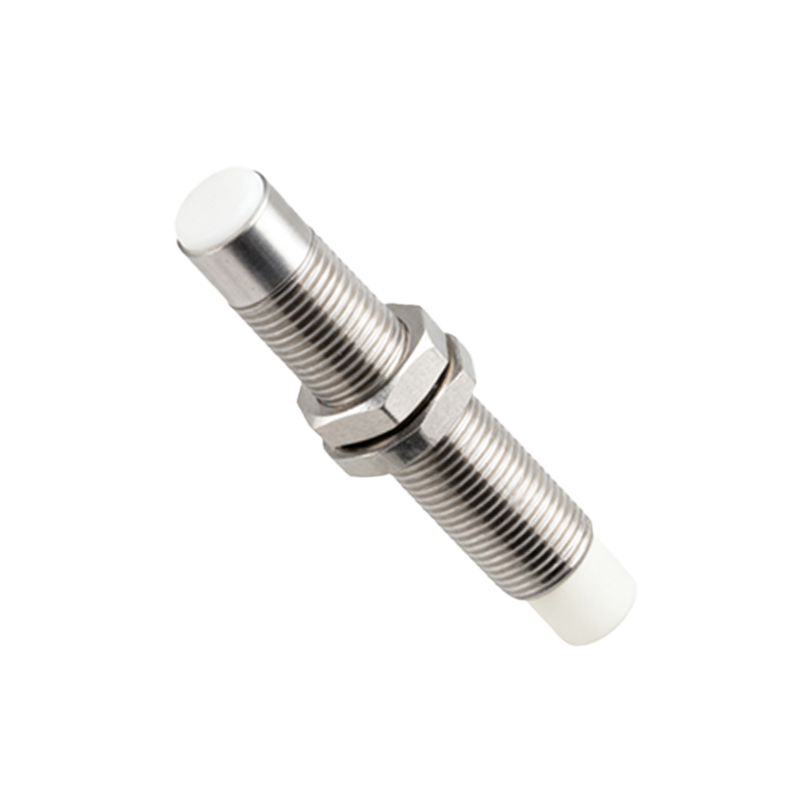
For standard, off-the-shelf sensor models and smaller projects, industrial electronics suppliers and broad-line distributors are excellent resources. Giants like Digi-Key, Mouser, RS Components, and Allied Electronics stock an enormous range of proximity sensors from numerous manufacturers. Their key strengths are vast inventory, user-friendly online platforms with detailed parametric search filters, and rapid shipping—often same-day or next-day. This makes them ideal for prototyping, maintenance repairs, or small-batch production where time is of the essence. However, the technical support depth may not match that of a specialized sensor distributor. You are often expected to have done your own specifications homework. Furthermore, while they stock genuine components, ensuring you have the exact model number is crucial, as navigating their vast catalogs can be daunting for less common specifications.
The rise of e-commerce marketplaces, notably Amazon Business and eBay, has created a new procurement landscape. These platforms can be tempting for their competitive prices and fast delivery, especially for common DC 3-wire or 4-wire inductive sensors. They may be suitable for non-critical hobbyist projects, educational purposes, or very low-risk industrial environments. However, engineers must exercise extreme caution. The risk of receiving counterfeit, refurbished, or substandard components is significantly higher. Specifications may be misstated, build quality can be poor, and long-term reliability is a major concern. There is typically zero meaningful technical support or application engineering. I strongly advise against using these platforms for any application where safety, precision, or production continuity is important.
Another specialized channel is the surplus and used equipment market. Websites specializing in industrial surplus or local liquidators can be sources for deeply discounted sensors. This approach might be justifiable for repairing old machinery where finding an exact physical form-factor match from a modern catalog is impossible. Yet, the risks are substantial: unknown operational history, worn sensing faces, potential calibration drift, and complete absence of warranty. The cost savings are rarely worth the potential for unexpected failure and troubleshooting time.
Finally, for large-scale Original Equipment Manufacturer (OEM) projects involving thousands of sensors, engaging directly with the manufacturer's sales team is the standard procedure. This allows for volume pricing negotiations, customization of sensors (special cables, connectors, or housings), and dedicated engineering support throughout the integration cycle. Lead times can be longer for custom items, but the partnership ensures the components are perfectly tailored to the application.
In conclusion, there is no single "best" place to buy proximity sensors. For critical industrial applications, prioritize authorized distributors and the technical security they provide. For prototyping and speed, leverage major industrial suppliers. Always approach general e-commerce marketplaces with skepticism for professional use. Ultimately, the choice of supplier is as much a part of the design specification as the sensor's sensing distance and thread size. A reliable component from a reputable source is the foundation of any robust electrical control system.