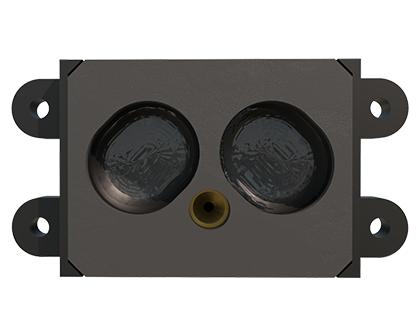
Laser sensors are pivotal components in modern industrial automation, offering high precision, reliability, and versatility. Their usage spans across various sectors, including manufacturing, robotics, logistics, and quality control. To effectively deploy laser sensors, engineers must understand their operational principles, selection criteria, installation procedures, and maintenance practices.
First, comprehend the fundamental working mechanism. Laser sensors typically operate based on time-of-flight, triangulation, or confocal measurement principles. Time-of-flight sensors calculate distance by measuring the time taken for a laser pulse to reflect off a target, suitable for long-range applications like warehouse inventory management. Triangulation sensors use a laser beam, detector, and geometric angles to determine position, ideal for precise short-range measurements such as surface inspection. Confocal sensors employ chromatic aberration to gauge thickness or displacement, commonly used in semiconductor fabrication. Selecting the appropriate type depends on factors like measurement range, accuracy requirements, environmental conditions, and target material properties.
Second, proper installation is crucial for optimal performance. Ensure the sensor is mounted securely on a stable surface to minimize vibrations, which can cause measurement errors. Align the laser beam perpendicular to the target surface for accurate readings, unless the design specifies otherwise. Consider ambient lighting and potential obstructions; for instance, in bright environments, use sensors with robust background suppression filters. Additionally, maintain a clean lens free from dust or debris, as contaminants can scatter the laser beam and reduce efficiency. For harsh industrial settings, choose sensors with high IP ratings for protection against dust, moisture, and mechanical impacts.
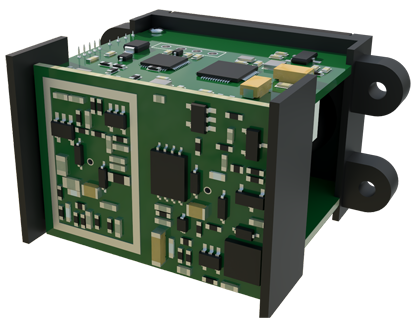
Third, calibration and configuration are essential steps. Most laser sensors come with user-friendly interfaces or software for setting parameters like measurement units, output signals, and response times. Calibrate the sensor using a known reference standard to ensure accuracy. For example, in automotive assembly lines, sensors measuring part dimensions should be calibrated against certified gauges. Configure output signals—analog (e.g., 4-20 mA) or digital (e.g., IO-Link)—to integrate seamlessly with PLCs or control systems. Regularly test the sensor with sample targets to verify consistency and adjust settings as needed.
Fourth, implement routine maintenance to prolong sensor lifespan. Schedule periodic inspections to check for physical damage, loose connections, or lens fouling. Clean the optical components with recommended tools, such as lint-free cloths and approved solvents, avoiding abrasive materials that could scratch surfaces. Monitor performance logs for drift or anomalies; predictive maintenance using data analytics can preempt failures. In high-usage scenarios, like conveyor belt monitoring, consider redundancy with backup sensors to avoid downtime.
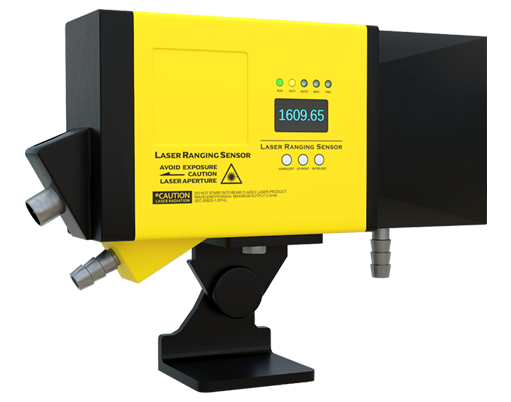
Finally, adhere to safety protocols. Laser sensors, especially Class 2 or higher, emit concentrated light that can pose risks to eyes or skin. Follow OSHA or IEC guidelines, such as installing protective enclosures, using warning labels, and training personnel on safe handling. In collaborative robot applications, ensure sensors are integrated with safety systems to halt operations if hazards are detected.
By mastering these aspects, engineers can leverage laser sensors to enhance efficiency, accuracy, and safety in industrial processes. As technology advances, features like AI integration and wireless connectivity are expanding their capabilities, making them indispensable tools for smart factories and Industry 4.0 initiatives.