In the realm of industrial automation and machinery, proximity sensors are indispensable components for non-contact detection, position sensing, and object counting. Among the prominent manufacturers, BES (Baluff) has established a strong reputation for reliability and innovation. When evaluating BES proximity sensor prices, it's crucial to move beyond a simple sticker price and understand the multifaceted factors that determine cost. This analysis aims to demystify these factors for procurement specialists, engineers, and project managers.
The primary determinant of price is the underlying sensing technology. BES offers a comprehensive range, including inductive, capacitive, and magnetic sensors. Standard inductive sensors, designed for detecting metals, typically represent the most cost-effective entry point. Prices increase for specialized variants like factor-1 inductive sensors (capable of detecting all metals at the same range) or models with extended sensing distances. Capacitive sensors, used for detecting non-metallic materials like liquids, wood, or plastics, generally command a higher price due to their more complex circuitry. Magnetic sensors, or reed sensors, often used for cylinder positioning, vary based on their switching capacity and housing robustness.
Sensor design and form factor significantly influence cost. Miniature sensors, such as those in the BES M8 or M12 threaded housings, are engineered for space-constrained applications and involve precise manufacturing, impacting their price per unit. Larger, rectangular block-style sensors might have a lower unit cost for standard models but can become expensive when featuring advanced diagnostics or special coatings. The material of the housing—standard plastic, nickel-plated brass, or stainless steel (V2A, V4A)—directly correlates with price. Stainless steel housings, essential for corrosive environments or food-grade applications (e.g., with FDA-compliant seals), add a substantial premium.
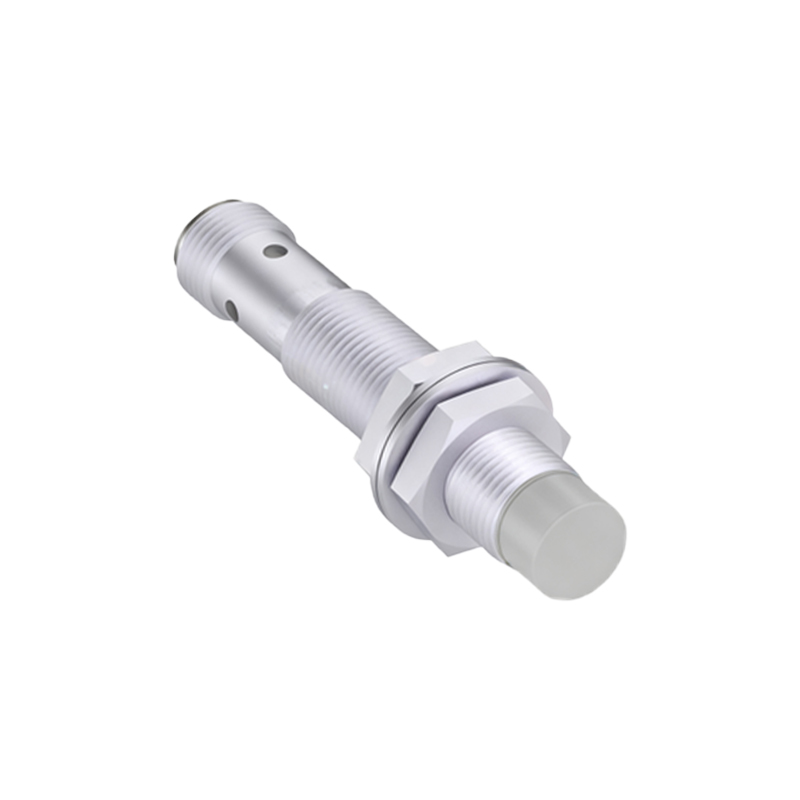
Performance specifications are a major cost driver. Key parameters include sensing range, switching frequency, and output type. A sensor with a 15mm range will be less expensive than an otherwise identical one with a 30mm range. High-speed sensors with switching frequencies in the kHz range, necessary for fast-moving production lines, incorporate higher-grade electronic components. Regarding output, standard 3-wire DC PNP or NPN transistors are common. Sensors with analog outputs (4-20mA, 0-10V), IO-Link digital communication, or dual independent outputs (e.g., a sensor providing both a switching signal and an analog distance value) are at the higher end of the price spectrum due to their added functionality and intelligence.
Environmental protection ratings, primarily the IP (Ingress Protection) and IK (Impact Protection) codes, affect cost. A sensor with IP67 rating (dust-tight and protected against temporary immersion) is standard for many industrial settings. Achieving higher ratings like IP68 or IP69K (for high-pressure, high-temperature washdowns) requires more sophisticated sealing techniques and rigorous testing, increasing manufacturing costs. Similarly, sensors rated for extreme temperatures (e.g., -40°C to +85°C) or those with enhanced EMC (Electromagnetic Compatibility) protection involve specialized materials and design considerations.
Supply chain dynamics and market factors play a crucial role. List prices from BES or its authorized distributors provide a baseline, but volume purchasing almost always secures considerable discounts. Project-based pricing or annual framework agreements can lead to optimized costs. Furthermore, lead times can influence effective cost; a standard sensor from stock is cheaper than expediting a specialized variant. It is also vital to source from authorized distributors to guarantee authenticity, full warranty coverage, and technical support, as counterfeit sensors, while seemingly cheaper, pose significant reliability and safety risks.
In conclusion, the price of a BES proximity sensor is a function of its technology, physical design, performance capabilities, and resilience. A sensor costing $50 might be perfectly suited for a standard machine guarding application, while a sophisticated IO-Link enabled, stainless steel sensor for a pharmaceutical packaging line could cost several hundred dollars. The most cost-effective strategy is to precisely define the application requirements—target material, required range, environmental conditions, and needed features—and then select the sensor that meets these needs without over-specification. Consulting with a BES technical expert or authorized distributor is highly recommended to navigate the product portfolio and achieve the optimal balance between performance, longevity, and total cost of ownership.