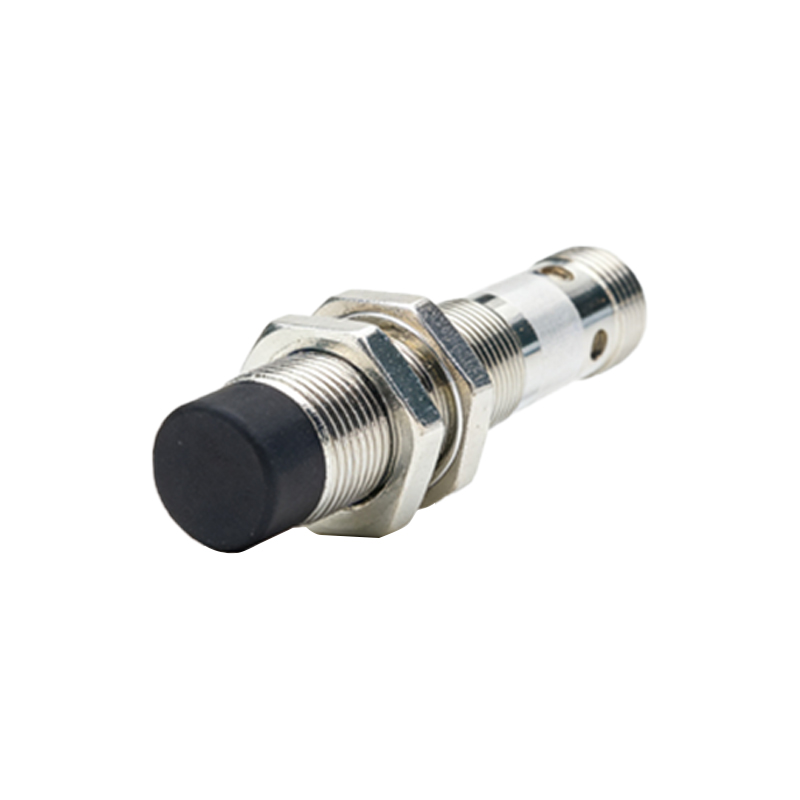
Short-body proximity sensors are compact, non-contact detection devices widely used in industrial automation for their reliability and space-saving design. Unlike standard sensors, these units feature a reduced housing length, typically ranging from 20mm to 40mm, making them ideal for installations where mounting space is limited. They operate on electromagnetic or capacitive principles to detect metallic or non-metallic objects without physical contact, ensuring minimal wear and extended service life. Common sensing distances vary from 1mm to 15mm, depending on the model and target material.
One of the primary advantages of short-body proximity sensors is their durability in harsh environments. Many models are built with stainless steel housings, offering IP67 or higher ingress protection ratings to withstand dust, moisture, and mechanical impacts. This robustness makes them suitable for applications in automotive manufacturing, packaging machinery, and robotic systems, where consistent performance under vibration or temperature fluctuations is critical. Additionally, their compact form allows for flexible mounting in tight spaces, such as within conveyor frames or tooling fixtures, without compromising detection accuracy.
When selecting a short-body proximity sensor, engineers must consider factors like sensing range, output type (e.g., PNP/NPN), and supply voltage (commonly 10-30V DC). For instance, inductive sensors excel at detecting ferrous metals, while capacitive variants can handle materials like plastics or liquids. Advanced features may include built-in diagnostics, temperature compensation, and short-circuit protection, enhancing system safety and maintenance efficiency. Proper installation is crucial—ensuring adequate clearance from surrounding metal surfaces prevents interference and false triggering.
In practice, these sensors play a vital role in quality control and process automation. Examples include detecting workpiece presence on assembly lines, monitoring fill levels in containers, or positioning components in CNC machines. Their rapid response times, often under 1ms, enable high-speed operations, reducing downtime and improving throughput. As Industry 4.0 evolves, integration with IoT platforms via IO-Link or analog interfaces allows for real-time data monitoring, predictive maintenance, and adaptive control.
Despite their benefits, challenges like electromagnetic interference or material-specific sensitivity require careful planning. Regular calibration and environmental shielding can mitigate such issues. Overall, short-body proximity sensors offer a balance of precision, resilience, and compactness, driving efficiency across diverse industrial sectors. Future trends may focus on miniaturization, enhanced energy efficiency, and smarter connectivity, further expanding their utility in automated systems.