In the realm of industrial automation and precision engineering, laser autofocus sensors have emerged as a pivotal technology, enabling unprecedented accuracy and efficiency in various processes. These sensors utilize laser beams to measure distance and adjust focus dynamically, ensuring optimal performance in tasks ranging from quality inspection to robotic assembly.
The core principle behind laser autofocus sensors involves emitting a focused laser beam toward a target surface. The reflected light is then captured by a detector, which analyzes the beam's properties, such as intensity or phase shift, to calculate the distance to the object. This data is processed in real-time by an integrated controller, which adjusts the focal point of an optical system—like a camera lens or machining tool—to maintain sharp focus regardless of surface variations or movement. Unlike traditional mechanical autofocus methods, laser-based systems offer non-contact measurement, reducing wear and tear and minimizing contamination risks in sterile environments like semiconductor manufacturing.
One of the key advantages of laser autofocus sensors is their high-speed response. With sampling rates often exceeding several kilohertz, they can track rapid changes in object position or topography, making them ideal for high-throughput production lines. For instance, in electronics manufacturing, these sensors ensure precise soldering or component placement by continuously monitoring PCB surfaces, even when dealing with uneven materials or thermal expansion. Additionally, their ability to operate in diverse lighting conditions—from bright factory floors to dark enclosures—enhances reliability compared to vision-based systems that may struggle with ambient light interference.
Accuracy is another hallmark of laser autofocus technology. Modern sensors achieve sub-micron resolution, allowing for meticulous inspections in fields like metrology and biomedical imaging. In automotive applications, they facilitate exact measurements of engine parts or body panels, contributing to tighter tolerances and improved safety standards. The integration of advanced algorithms, such as triangulation or confocal techniques, further refines performance by compensating for surface reflectivity or color variations that could otherwise skew readings.
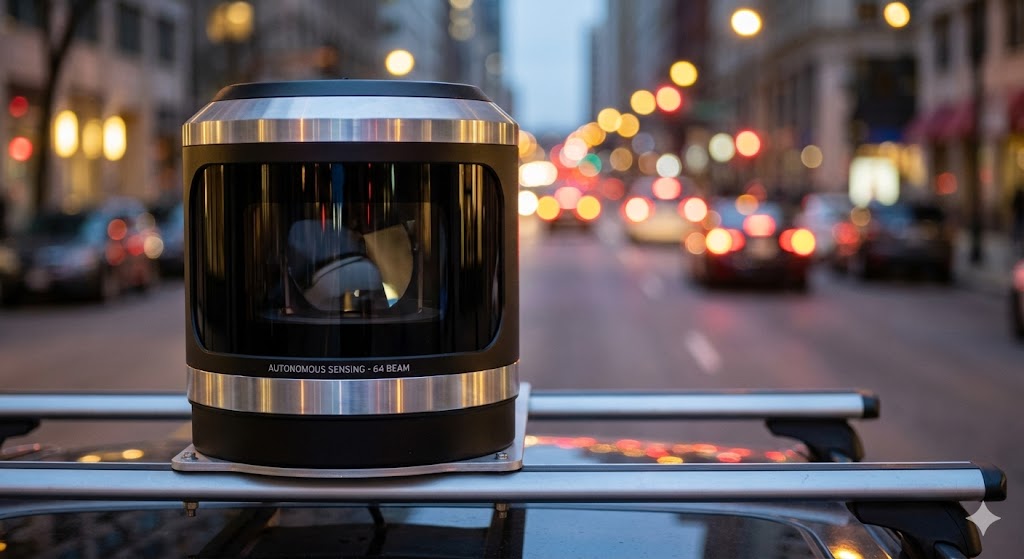
However, implementing laser autofocus sensors requires careful consideration of factors like material properties and environmental conditions. Highly reflective or transparent surfaces may scatter or absorb laser beams, necessitating calibration or the use of specialized sensor models. Dust, vibration, or temperature fluctuations can also impact accuracy, prompting engineers to incorporate protective housings or stabilization mechanisms. Despite these challenges, ongoing innovations—such as miniaturized designs and enhanced software interfaces—are expanding their applicability in sectors like aerospace, where lightweight sensors aid in drone-based inspections, or in consumer electronics, where they enable faster smartphone camera focusing.
From a maintenance perspective, laser autofocus sensors are generally low-maintenance due to their solid-state construction, but regular cleaning of optical components is recommended to prevent debris buildup. As Industry 4.0 advances, these sensors are increasingly integrated into IoT networks, allowing for predictive analytics and remote monitoring. For example, data from sensors can be fed into cloud platforms to optimize production schedules or flag potential defects before they escalate, aligning with smart factory initiatives.
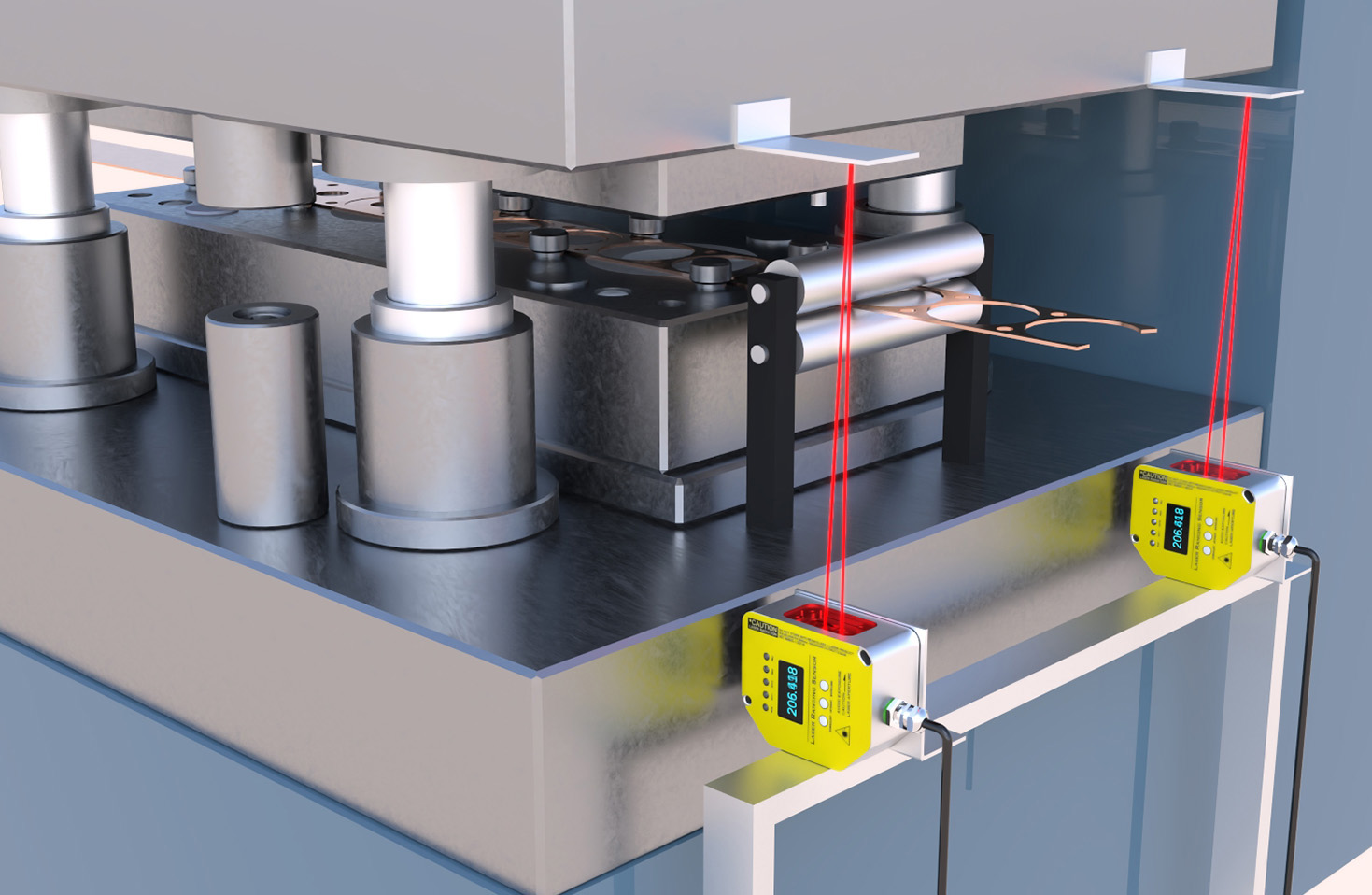
In summary, laser autofocus sensors represent a critical enabler of precision in modern industry. By combining speed, accuracy, and adaptability, they address complex challenges in automation and quality control. As research continues into areas like quantum sensing or AI-driven calibration, their role is poised to grow, driving efficiencies across manufacturing, healthcare, and beyond. Engineers and technicians should stay abreast of these developments to leverage the full potential of this transformative technology.