Inductive proximity sensors are essential components in modern industrial automation, offering non-contact detection of metallic objects with high reliability and precision. As an experienced electrical engineer, I often encounter questions from colleagues and clients about sourcing these critical devices. The market for inductive proximity sensors is vast, with numerous suppliers, brands, and distribution channels available globally. Understanding where to buy them requires consideration of factors such as application requirements, quality standards, budget constraints, and logistical support.
First, identify your specific needs. Inductive proximity sensors come in various types, including shielded and unshielded designs, different sensing ranges (from a few millimeters to several centimeters), and output configurations (e.g., NPN, PNO, analog, or IO-Link). For harsh environments, look for sensors with IP67 or higher ratings, resistance to chemicals, and wide temperature tolerances. Common applications include position sensing in conveyor systems, part detection in assembly lines, and safety interlocks in machinery. Once specifications are clear, you can explore purchasing options.
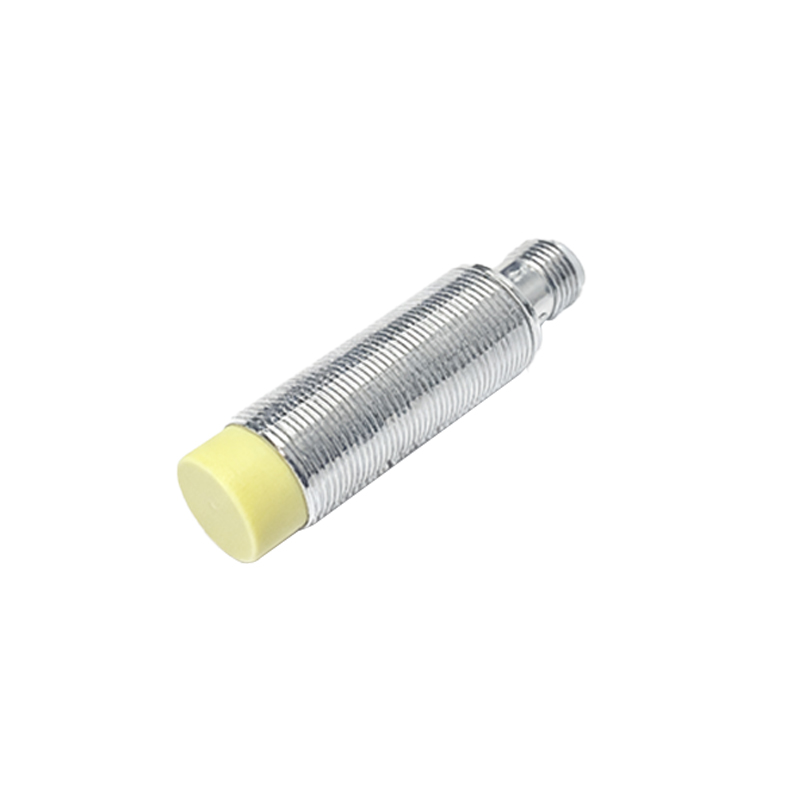
Direct manufacturers are a primary source for bulk or customized orders. Leading brands like Siemens, Omron, Pepperl+Fuchs, and Balluff offer extensive catalogs with detailed technical support. Buying directly ensures authenticity, access to the latest models, and often better pricing for large volumes. However, lead times may be longer, and minimum order quantities might apply. Manufacturers' websites typically provide configurator tools to help select the right sensor, and their sales teams can assist with complex projects.
Distributors and authorized resellers are ideal for smaller quantities or urgent needs. Companies like RS Components, Digi-Key, and Grainger stock a wide range of inductive proximity sensors from multiple brands, offering fast shipping and local inventory. These platforms provide user reviews, datasheets, and comparison features, making it easier to evaluate options. Additionally, they often have regional warehouses, reducing delivery times and import hassles. For specialized industrial supplies, consider distributors focused on automation, such as Allied Electronics or AutomationDirect, which may offer competitive bundles or technical guidance.
Online marketplaces like Amazon Business or eBay can be convenient for prototyping or one-off purchases, but caution is advised. Verify seller ratings, check for genuine products, and ensure warranties are valid. Counterfeit sensors are a risk in unverified channels and can lead to system failures or safety issues. Always prioritize suppliers with clear return policies and customer service.
For cost-sensitive projects, consider refurbished or surplus sensors from reputable industrial surplus dealers. These can provide significant savings, especially for standard models, but test them thoroughly before deployment. Alternatively, local electrical supply stores may carry basic inductive sensors for immediate pickup, though selection might be limited.
When purchasing, don’t overlook additional factors. Check for certifications like CE, UL, or ATEX if required for your region or industry. Evaluate supplier reliability—do they offer after-sales support, documentation, or training? Logistics matter too; consider shipping costs, import duties, and delivery timelines. For global operations, choose suppliers with international distribution networks to ensure consistency across facilities.
In summary, sourcing inductive proximity sensors involves balancing technical needs with practical considerations. Start by defining your requirements, then explore manufacturers for customization, distributors for availability, and online platforms for convenience. Always prioritize quality and support over price alone to ensure long-term performance in industrial settings. As automation evolves, staying informed about new suppliers and technologies can optimize your procurement strategy.