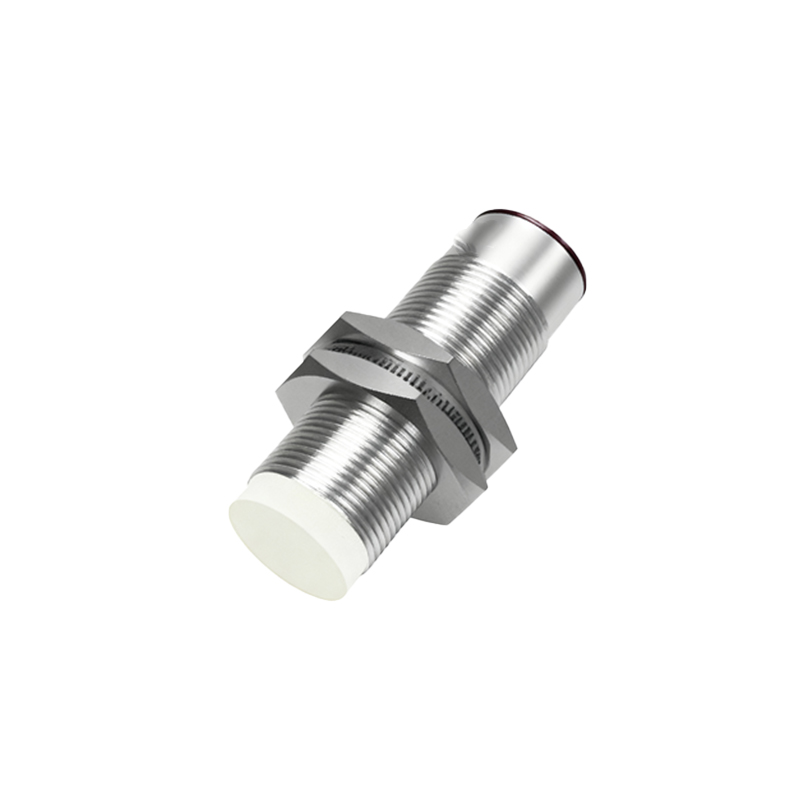
In the automotive industry, the integration of advanced sensor technology has revolutionized vehicle design, enhancing both functionality and user experience. Among these innovations, Ford's door handle proximity sensors stand out as a prime example of engineering excellence. These sensors, typically based on capacitive or inductive sensing principles, enable keyless entry systems that respond to the mere presence of a user's hand, eliminating the need for physical key manipulation. This article delves into the technical workings, design considerations, and practical applications of these sensors in Ford vehicles.
Proximity sensors in Ford door handles operate by detecting changes in an electromagnetic field or capacitance when an object, such as a hand, approaches. Capacitive sensors, commonly used in modern models, measure the capacitance between the handle and the environment. When a hand nears the handle, it alters the dielectric properties, triggering a signal that commands the door to unlock. This system relies on precise calibration to avoid false positives from environmental factors like rain or debris. Inductive sensors, though less common in this application, use coils to generate magnetic fields, detecting metallic objects like keys. Ford engineers often combine these technologies with radio-frequency identification (RFID) from key fobs, ensuring secure and seamless access.
The design of these sensors involves rigorous testing for durability and reliability. Ford's engineering teams subject prototypes to extreme conditions, including temperature fluctuations from -40°C to 85°C, humidity exposure, and mechanical stress from repeated use. Materials like polycarbonate or ABS plastic are chosen for handles to ensure signal transparency and resistance to wear. Additionally, electromagnetic compatibility (EMC) testing is crucial to prevent interference from other vehicle electronics, such as infotainment systems or engine control units. This attention to detail ensures that sensors perform consistently over the vehicle's lifespan, reducing maintenance needs and enhancing safety.
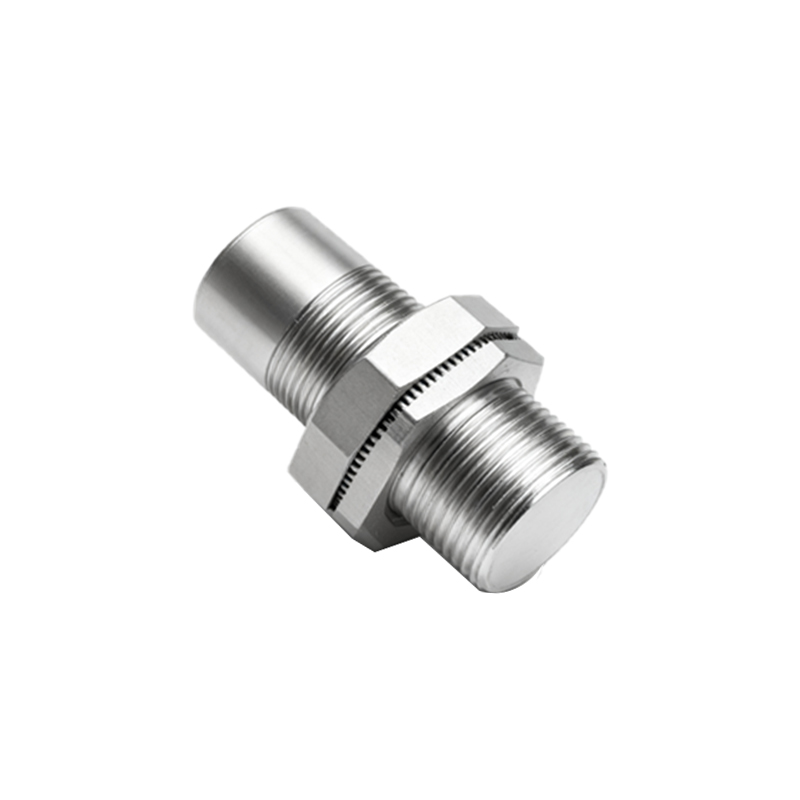
From an application perspective, Ford's proximity sensors contribute to a streamlined user experience. In models like the Ford F-150 or Mustang Mach-E, these sensors enable features like hands-free liftgate operation and personalized settings tied to user profiles. For instance, when a driver approaches with a key fob, the sensor can unlock doors and adjust seats automatically. This technology also supports anti-theft measures by integrating with alarm systems that activate if unauthorized access is detected. In electric vehicles, such as the Ford Lightning, efficient sensor design helps conserve battery life by minimizing power draw during standby modes.
Looking ahead, Ford is exploring enhancements like biometric integration, where sensors could authenticate users via fingerprint or palm recognition, adding an extra layer of security. Challenges remain, such as cost optimization for mass production and adapting to evolving cybersecurity threats. However, the continued refinement of proximity sensors underscores Ford's commitment to innovation, blending mechanical engineering with smart electronics to meet consumer demands for convenience and safety.
In summary, Ford's door handle proximity sensors exemplify how automotive engineering leverages sensor technology to create intuitive, reliable systems. Through careful design and testing, these components not only simplify vehicle access but also pave the way for future advancements in autonomous and connected cars. As the industry moves toward greater electrification and automation, such sensors will play a pivotal role in shaping the next generation of vehicles.