In industrial automation and control systems, proximity sensors are indispensable components for non-contact detection of objects. Among the myriad of designs available, two prevalent housing shapes dominate the market: round (cylindrical) and square (rectangular). Understanding their distinctions is crucial for optimal sensor selection, impacting performance, installation, and application suitability. This article delves into the technical and practical differences between round and square proximity sensors from an engineering perspective.
Fundamental Design and Sensing Characteristics
The core sensing technology—inductive, capacitive, or photoelectric—operates similarly regardless of housing. However, the shape significantly influences the sensor's physical and functional attributes.
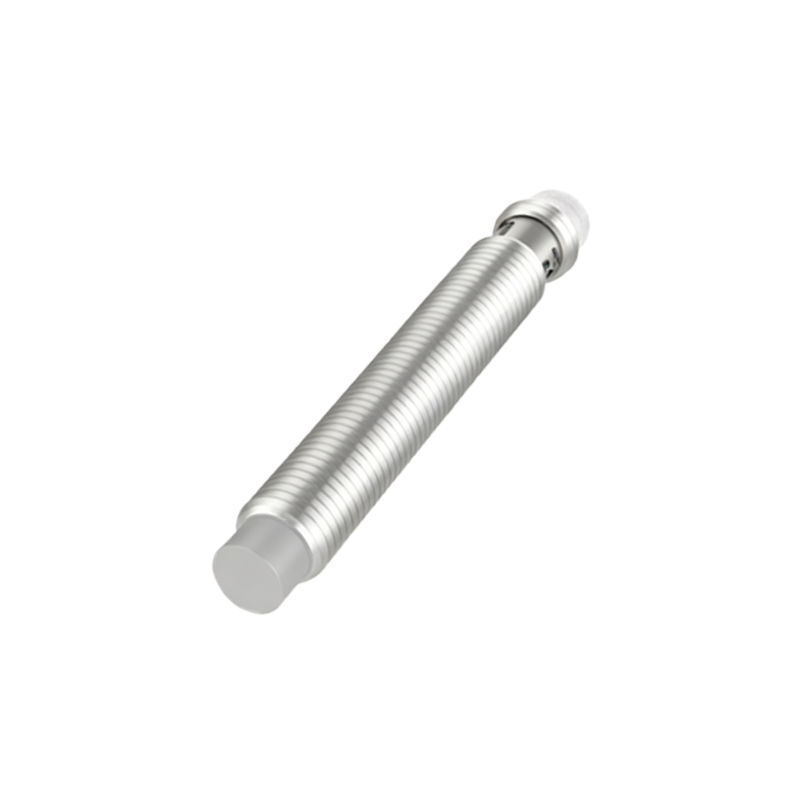
Round Proximity Sensors:
Typically cylindrical, these sensors are characterized by a threaded metal barrel (common threads include M8, M12, M18, M30). This design allows for easy mounting in drilled and tapped holes, providing excellent mechanical stability and alignment. The sensing face is usually at the front end of the cylinder. The sensing field for an inductive round sensor is generally conical, projecting forward from the face. A key specification is the "rated operating distance" (Sn), which is standardized. Due to their symmetrical design, the sensing range is uniform around the central axis, making them less sensitive to slight lateral misalignment. Their compact, robust build is ideal for harsh environments with dust, coolants, or vibrations.
Square or Rectangular Proximity Sensors:
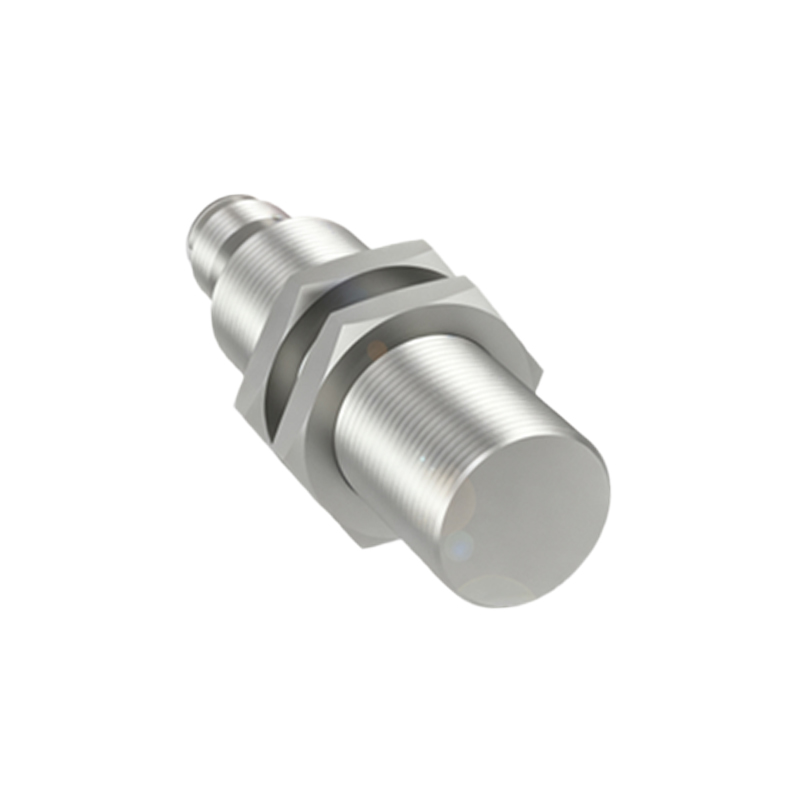
These housings are often made of plastic or metal and feature flat sensing faces. Mounting is typically achieved via brackets, slots, or holes on the sensor body. The sensing field geometry can differ; for inductive types, it may be more focused or shaped differently compared to round models. Some square sensors offer a larger sensing area or a wider, flatter field, which can be advantageous for detecting non-ferrous metals or specific object profiles. Their flat profile allows for flush or surface mounting in space-constrained applications where a cylindrical body would protrude excessively.
Comparative Analysis: Key Parameters
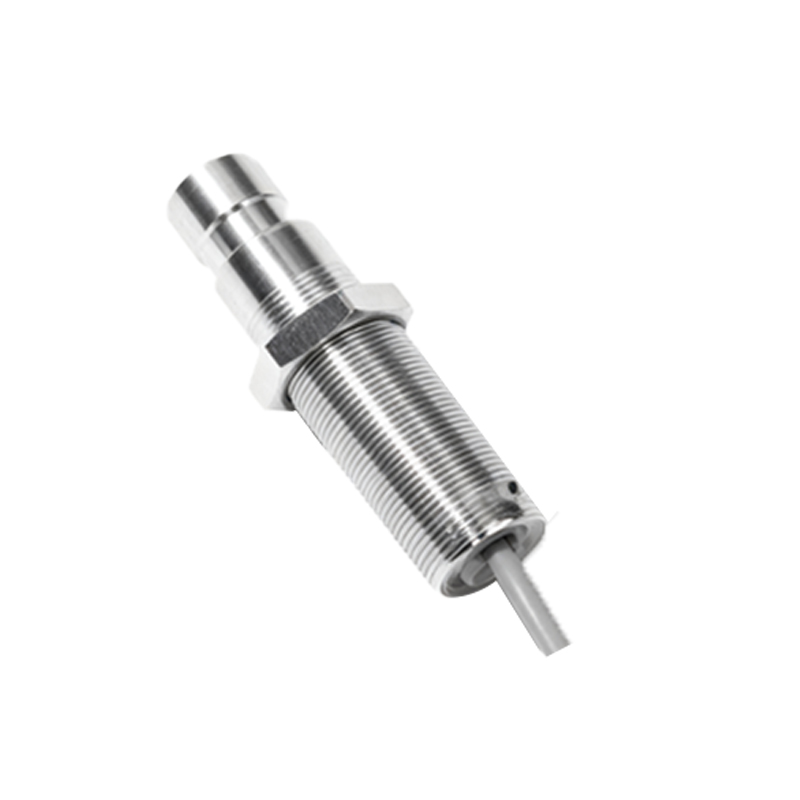
1. Mounting and Integration:
Round: Superior for panel or machine frame integration. The threaded barrel enables secure, vibration-resistant installation. Pre-drilled mounting holes are simple and standard. Adjustment often requires physical rotation or shimming.
Square: Offers flexible mounting orientations via brackets or adhesive pads. Easier to align on flat surfaces without specialized threading tools. Ideal for applications where the sensor cannot be recessed into a structure.
2. Sensing Range and Field:
Round: Generally offers a standardized, axis-symmetric sensing range. The range is consistent but may be shorter for a given sensor diameter compared to some elongated square designs.
Square: Can provide extended sensing ranges, especially in one direction (e.g., longer-range rectangular models). The sensing field might be more rectangular or planar, useful for edge detection or wide object sensing.
3. Environmental Sealing and Durability:
Round: The threaded design often incorporates O-rings, making them exceptionally good for high-pressure washdown (IP67, IP69K ratings). The metal housing dissipates heat better and withstands physical impact.
Square: While many achieve high IP ratings, the sealing relies on gaskets and housing seams. Plastic-bodied variants may be less resistant to extreme temperatures or mechanical abrasion than all-metal round sensors.
4. Space Considerations:
Round: Requires adequate depth for the barrel length. The protruding cylinder needs clearance.
Square: Low-profile designs save space in the Z-axis (depth), allowing mounting close to other components. Their flat form factor is beneficial on conveyor sideframes or within enclosures.
5. Cost and Availability:
Round: Often more cost-effective due to mass production and standardization. A vast selection of sizes, sensing ranges, and output configurations is available globally.
Square: Can be more specialized, sometimes commanding a premium. Selection might be more limited compared to round variants.
Application Guidelines
Choose Round Proximity Sensors when:
Mounting in metal panels or standard drilled holes.
The application demands high mechanical robustness and ingress protection (e.g., machine tools, automotive assembly, food & beverage processing).
Standard sensing ranges suffice, and a symmetrical detection field is preferred.
Simplified inventory and procurement of common form factors (like M12) are priorities.
Choose Square or Rectangular Proximity Sensors when:
Surface mounting on flat plates or brackets is necessary.
A low-profile design is critical to avoid obstructions.
A specific, potentially wider or longer sensing field geometry is required (e.g., detecting pallet edges, monitoring material on wide conveyors