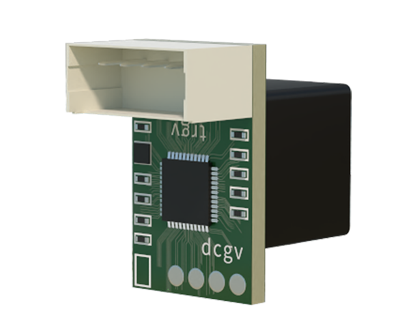
In the rapidly evolving field of imaging technology, laser autofocus module sensors have become a cornerstone for achieving precision and speed in focusing systems. These sensors are integral components in a wide array of devices, from high-end smartphones and digital cameras to industrial inspection equipment and medical imaging tools. The fundamental principle behind laser autofocus involves emitting a laser beam towards the subject and measuring the time it takes for the reflection to return to the sensor. This time-of-flight (ToF) data is then processed to calculate the exact distance to the subject, enabling the lens system to adjust its focus almost instantaneously. Unlike traditional contrast-detection autofocus, which relies on analyzing image contrast through the lens, laser autofocus operates independently of ambient light conditions. This allows for reliable performance in low-light environments or on subjects with low contrast, where conventional methods often struggle.
The core of a laser autofocus module typically consists of a laser diode, a photodetector sensor, and a sophisticated control circuit. The laser diode emits a focused, low-power infrared laser beam. The photodetector, often a specialized CMOS or CCD sensor, captures the reflected light. Advanced signal processing algorithms analyze the phase shift or direct time measurement of the returned pulse to determine distance with sub-millimeter accuracy. This data is fed to a microcontroller or dedicated ASIC (Application-Specific Integrated Circuit) that commands the voice coil motor (VCM) or other actuator within the lens assembly to move to the precise focal position. The entire process, from emission to adjustment, can be completed in milliseconds, facilitating features like instant focus lock and continuous tracking for moving subjects.
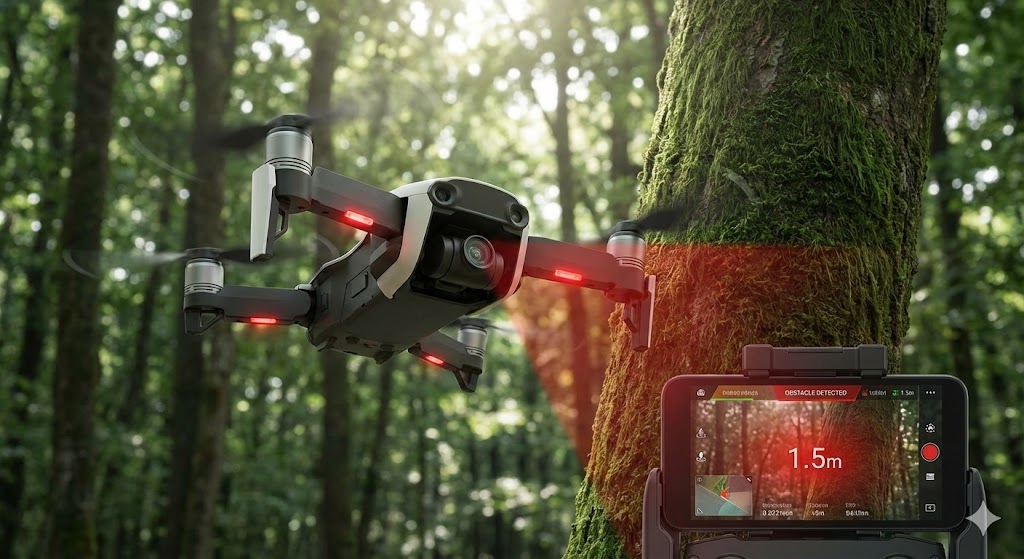
One of the significant advantages of laser autofocus sensors is their hybrid implementation. Many modern imaging systems combine laser detection with phase-detection autofocus (PDAF) or dual-pixel autofocus technologies. In such hybrid systems, the laser module provides an initial, rapid distance estimate, which is then refined by the pixel-based autofocus for ultimate sharpness. This synergy ensures both speed and accuracy, making it ideal for dynamic photography and videography. For instance, in smartphone cameras, this technology enables crisp portrait shots with blurred backgrounds (bokeh effect) and smooth focus transitions in video recording, even in challenging lighting.
From an engineering perspective, designing a robust laser autofocus module involves several critical considerations. Power consumption must be minimized, especially for battery-powered devices, without compromising the intensity and coherence of the laser pulse. The sensor must be shielded from external optical interference, such as ambient infrared light from the sun or other artificial sources. Furthermore, regulatory compliance regarding laser safety (e.g., IEC 60825 standards) is paramount. The laser must be classified as Class 1, ensuring it is safe under all normal operating conditions, posing no eye hazard. Miniaturization is another ongoing challenge, as manufacturers strive to pack powerful sensors into ever-slimmer device profiles. Innovations in micro-optics and sensor packaging continue to drive down the size while improving performance.
In industrial applications, laser autofocus sensors are pivotal for machine vision systems used in automated manufacturing and quality control. They provide non-contact, high-speed distance measurement for tasks like component alignment, surface inspection, and dimensional verification. Their accuracy and repeatability enhance production efficiency and reduce errors. Looking ahead, the integration of laser autofocus with emerging technologies like LiDAR (Light Detection and Ranging) for augmented reality (AR) and 3D mapping promises even broader applications. As computational photography advances, the role of the laser sensor is expanding beyond mere focusing to include depth sensing and scene understanding, enabling new creative and functional possibilities in imaging.
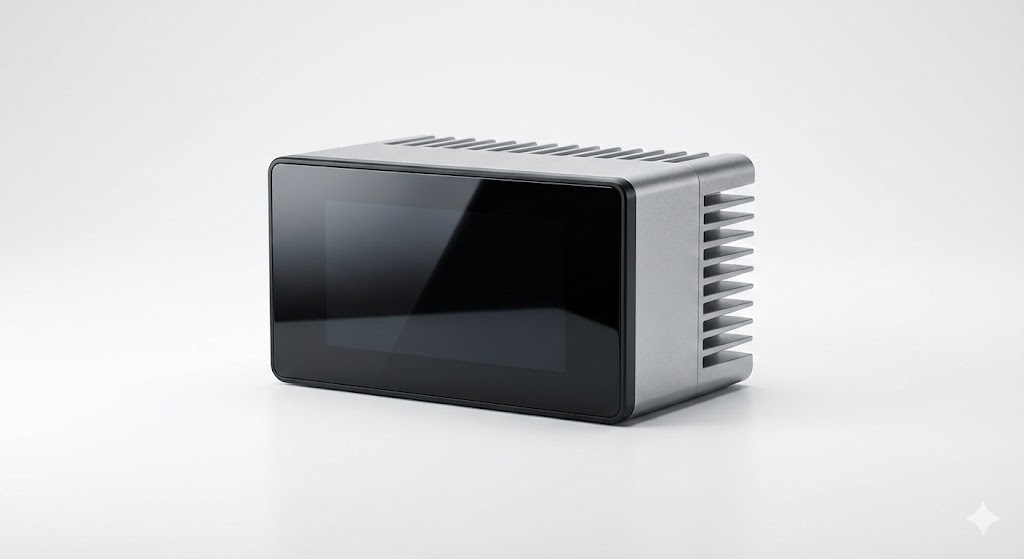
In conclusion, laser autofocus module sensors represent a sophisticated fusion of optics, electronics, and software. They address key limitations of passive autofocus methods, delivering unparalleled speed and reliability across diverse lighting scenarios. For engineers and product developers, a deep understanding of their operation, design constraints, and integration strategies is essential for harnessing their full potential in next-generation imaging solutions. As consumer expectations for image quality and responsiveness grow, these sensors will undoubtedly remain at the forefront of photographic innovation.