Laser methane sensors have become indispensable tools in industrial safety and environmental monitoring, offering high sensitivity, selectivity, and rapid response for detecting methane leaks. However, like any sophisticated instrumentation, they are susceptible to various failure modes that can compromise their reliability and accuracy. Understanding these failure mechanisms is critical for ensuring operational safety and maintaining regulatory compliance.
A primary cause of laser methane sensor failure is optical path contamination. In industrial environments, sensors are often exposed to dust, oil mists, condensation, or chemical deposits. These contaminants can accumulate on the sensor's optical windows or internal mirrors, attenuating the laser beam's intensity and scattering the light. This leads to a degraded signal-to-noise ratio, causing inaccurate readings, increased false alarms, or a complete loss of signal. Regular, scheduled cleaning using approved methods is essential, but in heavily polluted areas, protective measures like purge systems or specialized housings may be necessary.
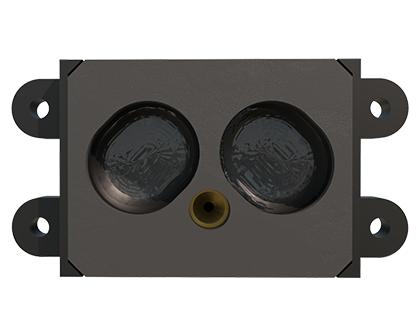
Sensor performance is intrinsically linked to environmental conditions. Extreme temperatures outside the specified operational range can cause component drift or permanent damage. The laser diode itself is sensitive to temperature fluctuations, which can alter its wavelength and output power, leading to measurement errors. Similarly, high humidity can lead to internal condensation, affecting both optical and electronic components. Vibrations from nearby machinery can misalign the delicate optical system, while electromagnetic interference (EMI) from heavy electrical equipment can disrupt the sensor's electronic signal processing. Proper installation in suitable locations, with consideration for environmental hardening, is a key preventive strategy.
Component aging and degradation are inevitable over time. The laser diode, a core component, has a finite lifespan. Its output power gradually decreases, reducing the sensor's sensitivity until it can no longer detect methane at the required levels. Photodetectors and other electronic components also degrade. Furthermore, software or firmware issues, such as bugs or calibration drift in the algorithms that convert the absorbed light signal into a concentration reading, can cause progressive inaccuracy. Implementing a robust preventive maintenance schedule that includes performance verification and timely component replacement is crucial.

Improper calibration is a significant, yet preventable, cause of functional failure. Laser methane sensors require periodic calibration using certified traceable gas standards to maintain accuracy. Calibration in an environment that differs significantly from the actual field conditions (e.g., different temperature, pressure, or background gas composition) can introduce errors. Sensors are often calibrated for a specific background atmosphere (like clean air), and the presence of other interfering gases (e.g., water vapor, higher hydrocarbons) can cause cross-sensitivity, leading to false positive or negative readings. Adherence to the manufacturer's calibration protocols and understanding the application-specific gas matrix are vital.
Finally, physical damage from impact, corrosion due to harsh chemicals, or improper installation can lead to catastrophic failure. Power supply issues, such as voltage spikes or inconsistent power, can also damage the sensor's electronics.
In conclusion, laser methane sensor failure is rarely due to a single factor but is often the result of interacting environmental, operational, and temporal challenges. A comprehensive approach involving correct sensor selection for the application, diligent installation, rigorous environmental protection, a strict regimen of preventive maintenance and calibration, and thorough operator training is the most effective strategy to mitigate failure risks. By proactively addressing these potential points of failure, industries can ensure the continuous, reliable performance of these critical safety devices, thereby protecting personnel, assets, and the environment from the dangers of undetected methane accumulation.