Magnetic reed proximity switch sensors are widely used in industrial automation for non-contact detection of ferromagnetic objects. These sensors operate based on the interaction between a magnetic field and a ferrous target, utilizing a simple yet reliable mechanism. The core component is a hermetically sealed reed switch, which consists of two thin, flexible ferromagnetic reeds (typically made of nickel-iron alloy) enclosed in a glass tube filled with an inert gas. The reeds are positioned with a small gap between their overlapping contacts. When an external magnetic field is applied—either from a permanent magnet integrated into the sensor or from a separate magnet attached to a moving target—the reeds become magnetized. This causes them to attract each other, bending until the contacts touch and close the electrical circuit. Once the magnetic field is removed, the reeds' inherent springiness returns them to their original position, breaking the contact and opening the circuit. This binary switching action makes reed sensors ideal for detecting the presence or absence of objects without physical contact, avoiding wear and tear common in mechanical switches.
In a typical magnetic reed proximity sensor setup, the reed switch is paired with a permanent magnet. The sensor is mounted in a fixed location, while the magnet is placed on the moving target (e.g., a machine part, door, or conveyor component). As the target approaches, the magnet's field actuates the reed switch, triggering a signal. The sensing distance depends on factors like magnet strength, reed sensitivity, and environmental conditions, usually ranging from a few millimeters to several centimeters. Importantly, only ferromagnetic materials (like iron or steel) can effectively influence the magnetic field; non-ferrous metals or non-metallic objects do not trigger the switch unless a magnet is attached. This selectivity can be an advantage in specific applications where detection of particular materials is required.
The working principle leverages the magnetic flux interaction. When the target magnet nears, magnetic flux lines concentrate through the reed blades, inducing opposite magnetic poles at their tips. This attraction overcomes the mechanical resistance, closing the contacts. The design ensures fast response times (often in milliseconds) and high repeatability. Because the contacts are sealed, they are protected from dust, moisture, and corrosion, enhancing durability in harsh industrial environments like manufacturing floors, automotive systems, or security devices. However, reed switches have limitations: they can be susceptible to shock and vibration, which might cause false triggering, and their switching capacity is relatively low compared to solid-state sensors.
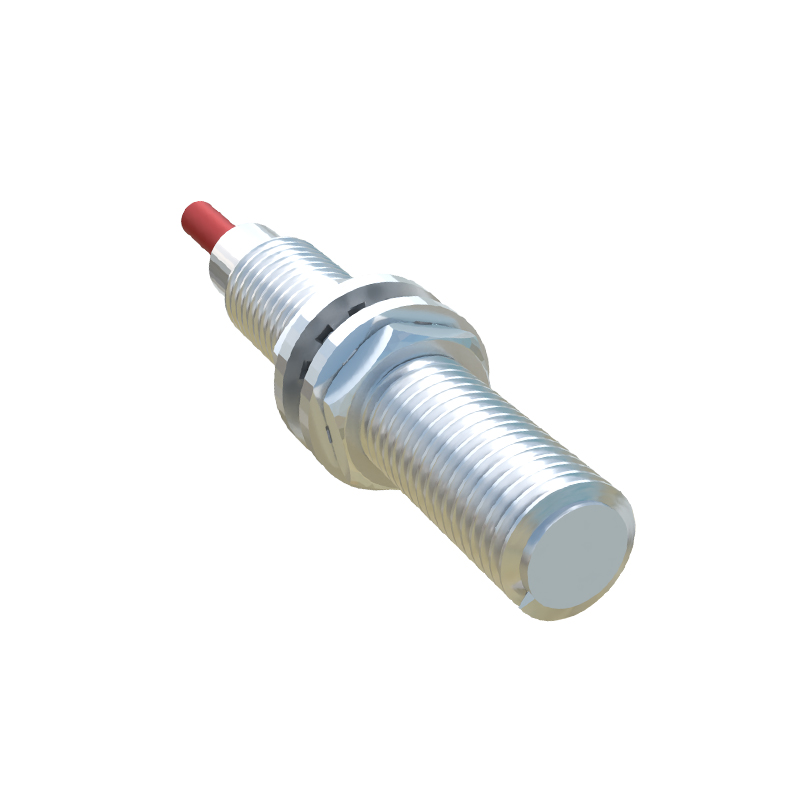
Applications of magnetic reed proximity sensors are diverse. They are commonly used for position sensing in cylinders, limit switching in machinery, door and window monitoring in security systems, and liquid level detection in tanks via float-mounted magnets. Their simplicity, low power consumption, and cost-effectiveness make them a popular choice for many engineers. When selecting such a sensor, key parameters to consider include operating voltage, current rating, switching frequency, and environmental ratings (e.g., IP protection). Proper installation is crucial—aligning the magnet correctly with the sensor axis maximizes performance. Additionally, avoiding strong external magnetic fields is necessary to prevent interference.
In summary, magnetic reed proximity switch sensors offer a robust, contactless solution for detecting ferromagnetic objects. Their operation hinges on the magnetic actuation of sealed reed contacts, providing reliable switching in various industrial settings. While newer technologies like Hall effect or inductive sensors exist, reed sensors remain relevant due to their simplicity and proven track record. Understanding their working principle helps engineers deploy them effectively, ensuring optimal system performance and longevity.