In the realm of industrial automation and process control, the reliable detection of objects and the precise monitoring of environmental conditions are paramount. Temperature sensor proximity switches represent a sophisticated fusion of these two critical functions, offering a unique solution for applications where both presence detection and temperature measurement are required. Unlike standard proximity sensors or standalone temperature probes, these integrated devices provide a dual-output capability, enhancing system efficiency and reducing installation complexity.
At its core, a temperature sensor proximity switch is a non-contact device. It primarily functions as an inductive, capacitive, or photoelectric proximity sensor to detect the presence or absence of a target object within its sensing range. This detection is based on changes in an electromagnetic field or the interruption of a light beam. The key differentiator is the incorporation of an integrated temperature sensing element, typically a thermocouple, RTD (Resistance Temperature Detector), or thermistor. This element is strategically positioned, often in the sensor's face or housing, to measure the ambient temperature or the temperature of the detected object itself. When an object enters the predefined sensing range, the switch not only changes its output state (e.g., from OFF to ON) to signal detection but also provides a continuous or sampled analog signal corresponding to the measured temperature.
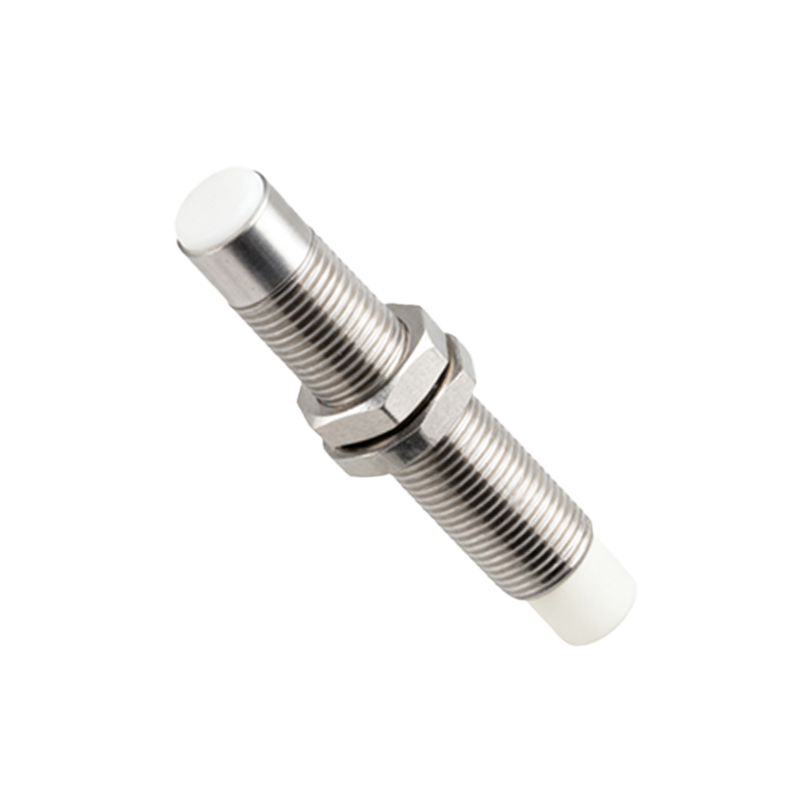
The operational principle hinges on this dual-channel data acquisition. The proximity detection circuit and the temperature measurement circuit work in tandem but are electrically isolated to ensure accuracy and prevent interference. Modern versions often feature digital interfaces or IO-Link communication, allowing for the simultaneous transmission of both the discrete switching signal and the precise temperature value to a Programmable Logic Controller (PLC) or supervisory system. This integration eliminates the need for separate sensors, wiring, and mounting hardware, leading to significant cost savings and a more streamlined control panel design.
The applications for temperature sensor proximity switches are diverse and span multiple industries. In food and beverage processing, they are indispensable for monitoring the temperature of packaging materials or products on a conveyor line while simultaneously confirming their position for filling or capping operations. This ensures products are within safe temperature thresholds during handling. Within automotive manufacturing, these switches can monitor the temperature of robotic welding arms or casting molds while verifying the correct placement of components, preventing equipment damage due to overheating. In plastic injection molding, they can detect the presence of a molded part at the ejection point and measure its surface temperature to confirm it has cooled sufficiently for further handling. HVAC systems utilize them in ductwork to detect airflow (via a vane or paddle) and measure air temperature with a single unit, optimizing climate control logic.
Selecting the appropriate temperature sensor proximity switch requires careful consideration of several parameters. The sensing range and type (inductive for metals, capacitive for non-metals, photoelectric for various materials) must match the target object. Equally critical is the temperature range, accuracy, and response time of the integrated temperature sensor. The environmental conditions, such as exposure to moisture, chemicals, or extreme ambient temperatures, dictate the required ingress protection (IP) rating and housing material, typically stainless steel or PBT plastic. The output configuration must also align with the control system, whether it requires a simple PNP/NPN switching signal plus a separate analog 4-20mA/0-10V temperature output, or a fully digital protocol.
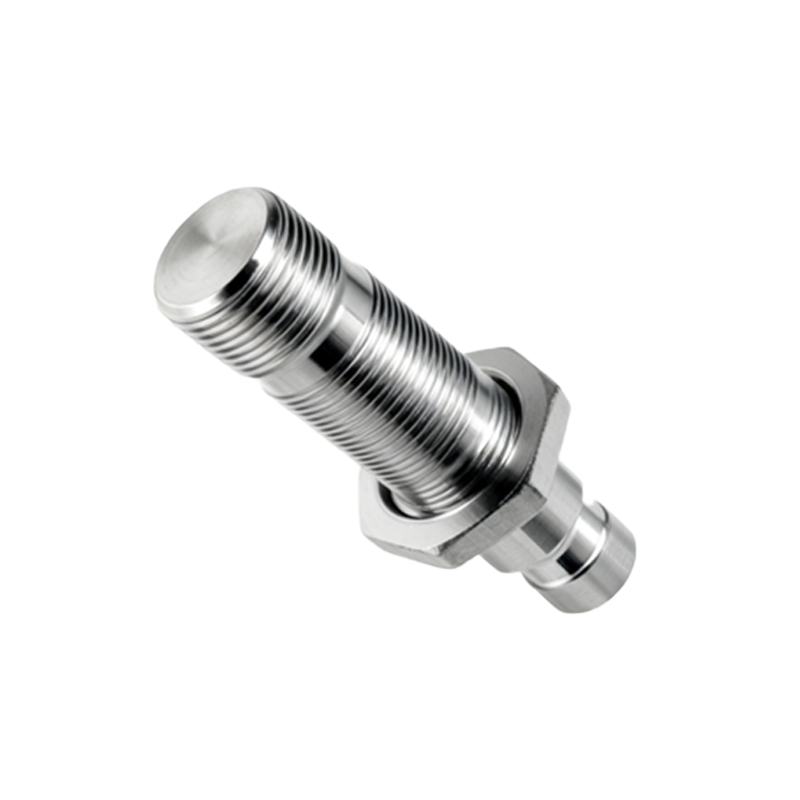
Installation and maintenance follow best practices for both proximity sensors and temperature instruments. Proper mounting, ensuring the correct distance from the target (as per the sensor's datasheet), is essential for reliable switching. For accurate temperature reading, the thermal coupling between the sensor's temperature element and the medium being measured must be considered; in some cases, a small amount of thermal paste might be used. Regular calibration checks of the temperature function, along with visual inspections for physical damage or buildup of contaminants, will ensure long-term reliability and measurement fidelity.
In conclusion, temperature sensor proximity switches are more than just the sum of their parts. They embody a trend towards smarter, multifunctional sensing in industrial automation. By combining object detection with precise temperature monitoring in a single, robust package, they address complex application challenges, reduce hardware and installation costs, and provide richer data for process optimization and predictive maintenance. As industries continue to pursue greater efficiency and data-driven insights, the role of such intelligent hybrid sensors is poised to expand significantly.