In the realm of industrial automation, robotics, and smart systems, the ability to detect the presence of an object and precisely measure its distance without physical contact is a fundamental capability. This is the core function of distance measuring proximity sensors. Unlike simple presence-detecting sensors, these advanced devices provide continuous, real-time data on the exact gap between the sensor and a target, enabling sophisticated control and monitoring.
The operational principle varies significantly by technology, each suited to different environments and materials. One of the most common types is the ultrasonic sensor. It works by emitting high-frequency sound waves and calculating distance based on the time it takes for the echo to return. These sensors are highly effective in challenging conditions involving dust, moisture, or varying light levels, making them ideal for liquid level measurement, parking assistance systems, and object detection on conveyor belts. However, their accuracy can be influenced by temperature and air turbulence, and they may struggle with sound-absorbing materials.
Another widely adopted technology is the laser triangulation sensor. It projects a focused laser spot onto the target surface. The reflected light is captured by a receiver at a known angle, and the distance is calculated through trigonometric principles. Renowned for their exceptional accuracy and resolution—often down to micrometer levels—these sensors are indispensable in precision manufacturing for tasks like thickness gauging, wafer alignment, and profile scanning. Their main limitations include higher cost and potential interference from highly reflective or transparent surfaces.
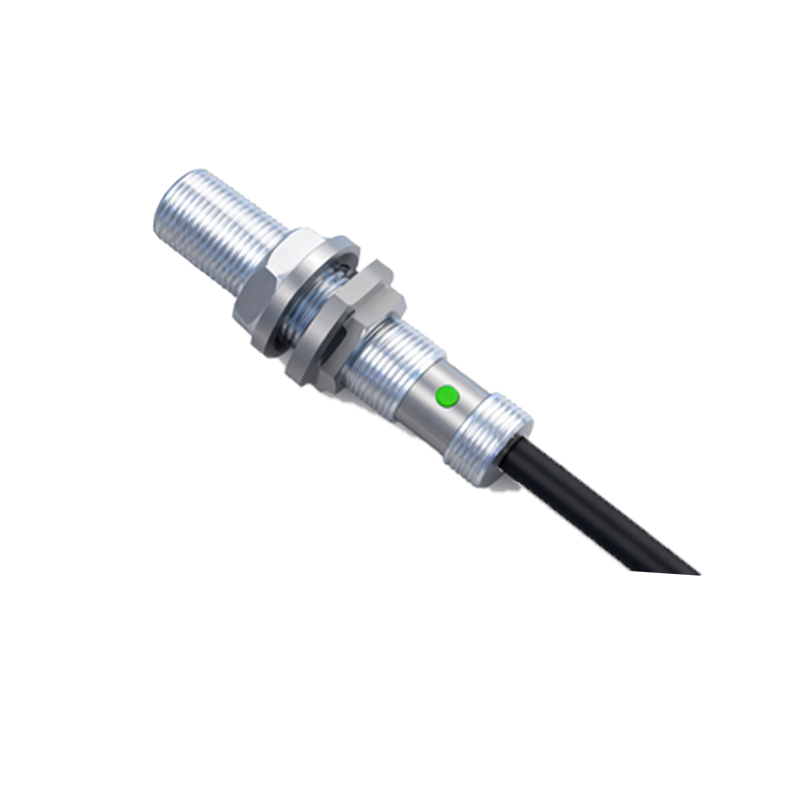
Infrared (IR) sensors, often using a time-of-flight (ToF) principle, represent a versatile and cost-effective category. A modulated IR light signal is emitted, and the phase shift or time delay of the reflected signal is measured to compute distance. They offer a good balance of performance, size, and power consumption, prevalent in consumer electronics (like automatic faucets), robotics for obstacle avoidance, and basic industrial applications. Their performance can degrade under strong ambient infrared light or with dark, light-absorbing targets.
For applications involving metallic objects, inductive and capacitive sensors with analog output play a crucial role. While traditional inductive sensors detect metal presence, analog versions provide a voltage or current output proportional to the distance to the metal target, useful in monitoring valve positions or metal thickness. Capacitive sensors can perform similar distance measurement for both conductive and non-conductive materials, such as plastics, wood, or liquids, by detecting changes in an electrical field.
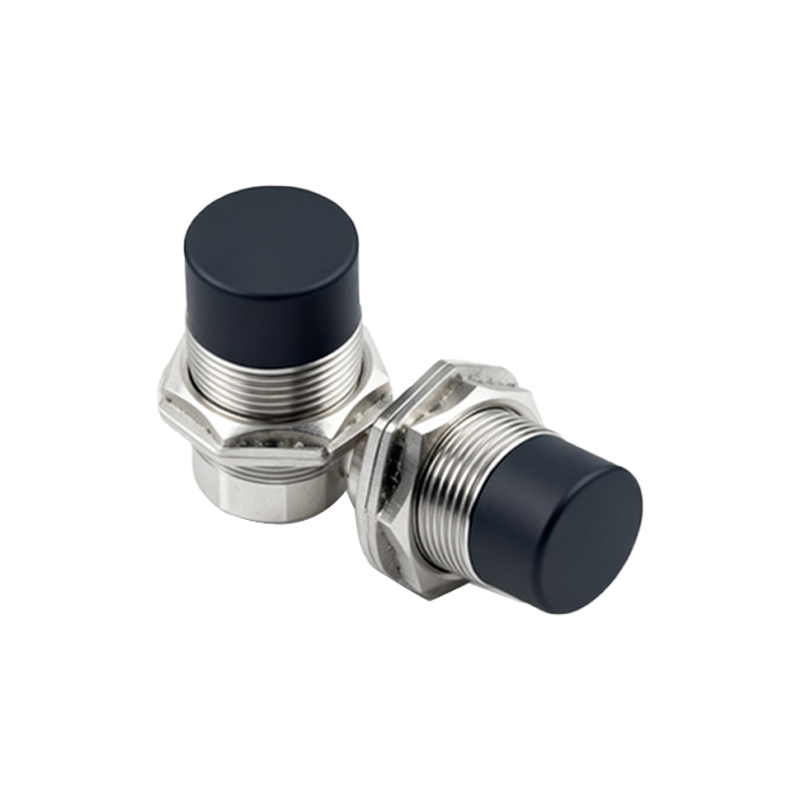
Selecting the appropriate sensor requires a careful analysis of several key parameters. The required measuring range and resolution are primary drivers. Environmental factors like temperature extremes, contaminants (oil, dust), and ambient light must be considered for sensor robustness. The target's properties—its material, color, surface texture, and size—directly influence the choice of technology. Finally, the needed response speed and output signal type (analog 4-20mA, 0-10V, or digital protocols like IO-Link) must integrate seamlessly with the existing control system.
The applications are vast and transformative. In automated guided vehicles (AGVs), distance sensors enable safe navigation and precise docking. In packaging machinery, they ensure consistent fill levels and correct component positioning. Within the Internet of Things (IoT), these sensors provide critical spatial data for smart inventory management and predictive maintenance systems. As technology advances, we see trends toward miniaturization, enhanced intelligence with integrated diagnostics, and the fusion of multiple sensing principles in a single unit to overcome individual limitations.
In conclusion, distance measuring proximity sensors are pivotal components that bridge the physical and digital worlds. By providing accurate, non-contact distance data, they empower machines to perceive their environment with precision, driving efficiency, safety, and innovation across countless industries. Understanding their distinct technologies and application criteria is essential for leveraging their full potential in an increasingly automated future.