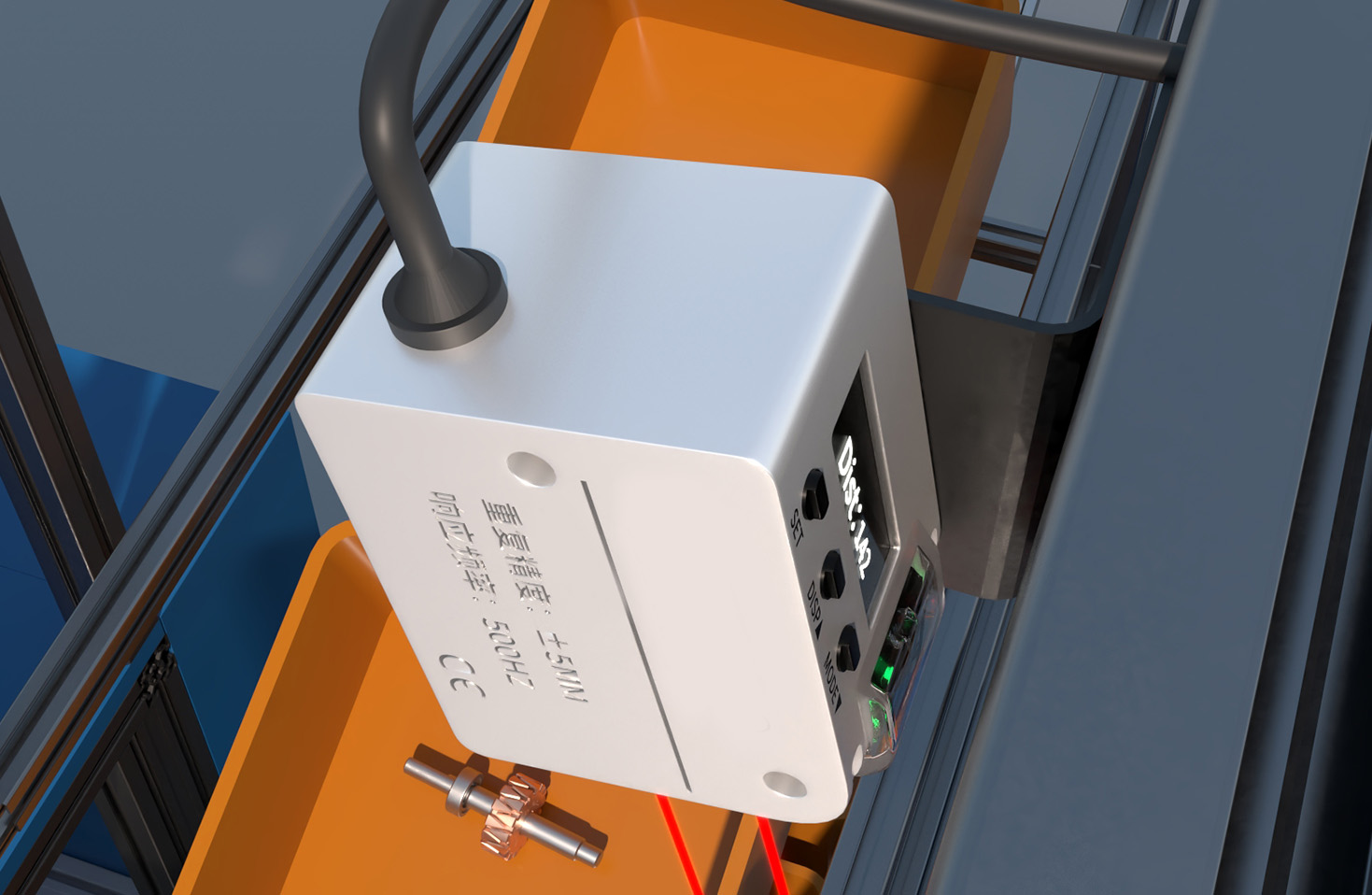
High temperature laser sensor measurement represents a critical advancement in industrial monitoring and control systems, enabling precise, non-contact data acquisition in extreme thermal environments. These sensors utilize laser-based technologies, such as laser Doppler vibrometry or infrared laser interferometry, to measure parameters like temperature, displacement, vibration, and thickness without physical contact with the target surface. This non-invasive approach is particularly valuable in industries such as metallurgy, aerospace, power generation, and automotive manufacturing, where traditional contact sensors may fail due to thermal degradation, mechanical wear, or chemical corrosion.
The operational principle of high temperature laser sensors often involves emitting a focused laser beam toward the target. The interaction between the laser light and the surface—whether through reflection, scattering, or absorption—generates data that is analyzed to determine specific physical properties. For temperature measurement, techniques like laser-induced fluorescence or pyrometric methods are employed, where the sensor detects thermal radiation emitted by the hot object. Advanced models incorporate fiber-optic components to enhance durability and accuracy, allowing measurements in environments exceeding 2000°C, such as in molten metal processing or turbine engine testing.
Key advantages of these sensors include high precision, with resolutions down to micrometer or sub-degree Celsius levels, and rapid response times, often in milliseconds, facilitating real-time process control. They also minimize interference with the measured object, reducing risks of contamination or disturbance in sensitive applications. For instance, in semiconductor fabrication, laser sensors monitor wafer temperatures during high-temperature annealing without touching the delicate surfaces. Similarly, in energy sectors, they assess the integrity of boiler tubes or combustion chambers, predicting failures and optimizing maintenance schedules.
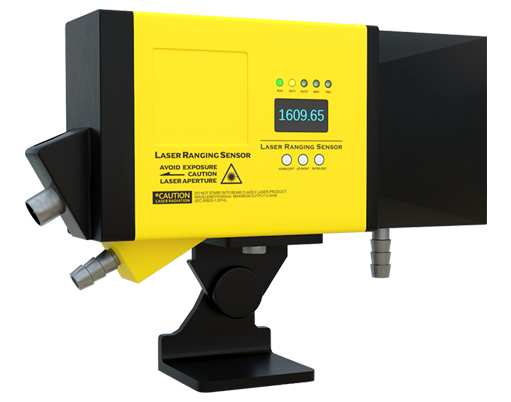
However, challenges persist in high temperature laser sensor deployment. Environmental factors like dust, steam, or electromagnetic interference can affect laser beam integrity, necessitating protective enclosures or calibration adjustments. Calibration against known standards is crucial to maintain accuracy over time, especially as sensor components may experience thermal drift. Innovations in adaptive optics and signal processing algorithms are addressing these issues, improving reliability in harsh conditions. Additionally, integrating these sensors with IoT platforms enables data analytics for predictive maintenance, enhancing operational efficiency and safety.
Industry standards, such as those from ASTM International or ISO, guide the implementation and validation of laser sensor measurements, ensuring consistency across applications. As materials science evolves, with new alloys and ceramics being used in high-temperature processes, laser sensors are adapting to measure novel properties, like thermal conductivity or phase changes. Future trends may include miniaturized sensors for compact spaces and multi-parameter systems that simultaneously capture temperature, pressure, and chemical composition data.
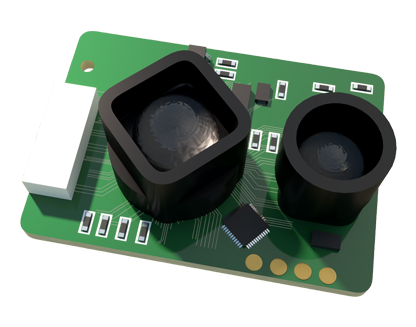
In summary, high temperature laser sensor measurement is a transformative technology driving industrial innovation. By offering non-contact, accurate monitoring in extreme heat, it supports quality control, safety, and sustainability efforts. Engineers and technicians should consider factors like sensor selection, installation environment, and data integration when deploying these systems to maximize their benefits in demanding applications.