In the industrial automation and electrical engineering sectors, proximity sensors are indispensable components for detecting the presence or absence of objects without physical contact. These sensors, including inductive, capacitive, and ultrasonic types, are widely used in manufacturing, robotics, and safety systems. However, like any electronic device, they can malfunction due to factors such as environmental wear, electrical surges, or mechanical damage. When a proximity sensor fails, the immediate question for engineers and maintenance teams is: How much does it cost to repair it? This article delves into the key factors influencing repair costs, typical price ranges, and practical advice for decision-making.
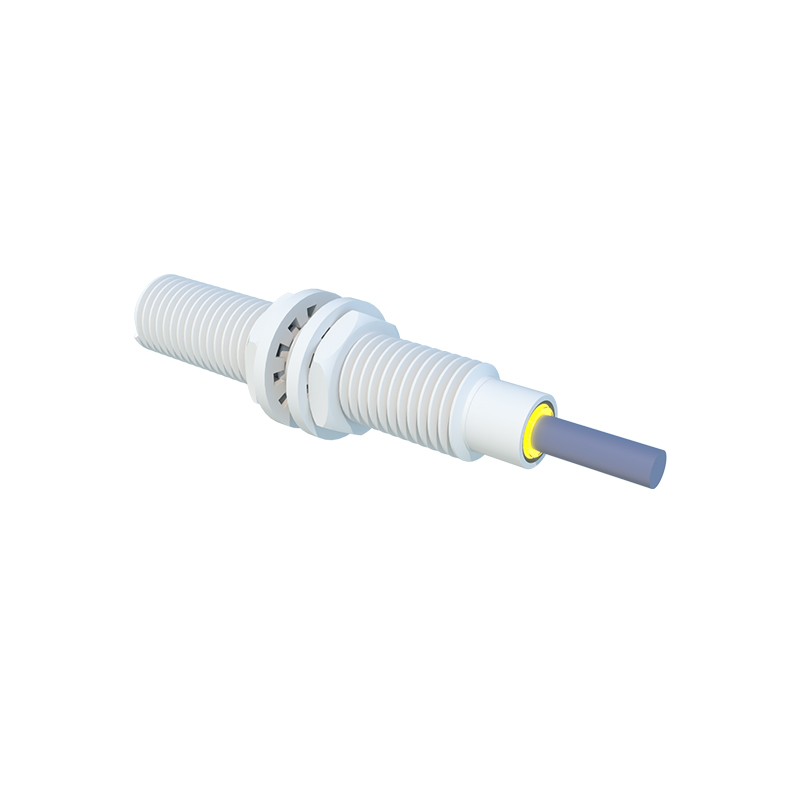
The cost of repairing a proximity sensor varies significantly based on several elements. First, the type of sensor plays a crucial role. Inductive sensors, commonly used for metal detection, are generally simpler and cheaper to repair, with costs ranging from $50 to $200 per unit, depending on the brand and complexity. Capacitive sensors, designed for non-metallic materials, might involve more intricate circuitry, pushing repair expenses to $100-$300. Ultrasonic or photoelectric sensors, with advanced components like transducers or lenses, can be even pricier, often costing $150-$400 for repairs. Additionally, the sensor's brand and model impact pricing; reputable brands like Siemens, Omron, or Schneider Electric may have higher repair fees due to specialized parts and expertise, while generic models could be more affordable.
Another critical factor is the nature of the fault. Minor issues, such as loose wiring, connector damage, or simple calibration errors, might only require basic labor and minimal parts, keeping costs under $100. In contrast, major problems like damaged sensing elements, burnt-out integrated circuits, or housing corrosion could necessitate component replacement or full rebuilds, potentially exceeding $300. Labor costs also contribute substantially, with hourly rates for professional technicians averaging $80-$150, depending on geographic location and service provider. For instance, repairs in North America or Europe tend to be more expensive than in Asia, due to higher wage standards.
The repair process typically involves diagnosis, disassembly, part replacement, and testing. Many companies offer repair services through OEMs (Original Equipment Manufacturers) or third-party specialists. OEM repairs are often reliable but can be costly, sometimes approaching 50-70% of a new sensor's price, which might range from $200 to $1000. Third-party services may provide more competitive rates, but quality can vary—always verify certifications and reviews. In some cases, especially for older or obsolete models, repair might not be feasible, leading to replacement recommendations.
To manage costs effectively, consider preventive maintenance, such as regular cleaning and environmental protection, to extend sensor lifespan. When facing a repair decision, evaluate the sensor's age, replacement cost, and downtime impact. For high-value systems, investing in repair can be economical, but for low-cost sensors, replacement might be more efficient. Always request detailed quotes from service providers, including parts, labor, and warranty terms.
In summary, proximity sensor repair costs generally fall between $50 and $400, influenced by sensor type, fault severity, brand, and labor. By understanding these factors, engineers can make informed choices to minimize downtime and optimize operational budgets in industrial settings.